An Animal-Print Layer with a Familiar Indoor Base
Try an animal-print outer layer over a familiar complete indoor base, keeping actual construction and ordinary transitions clear before adding more clothing to explain the pattern.
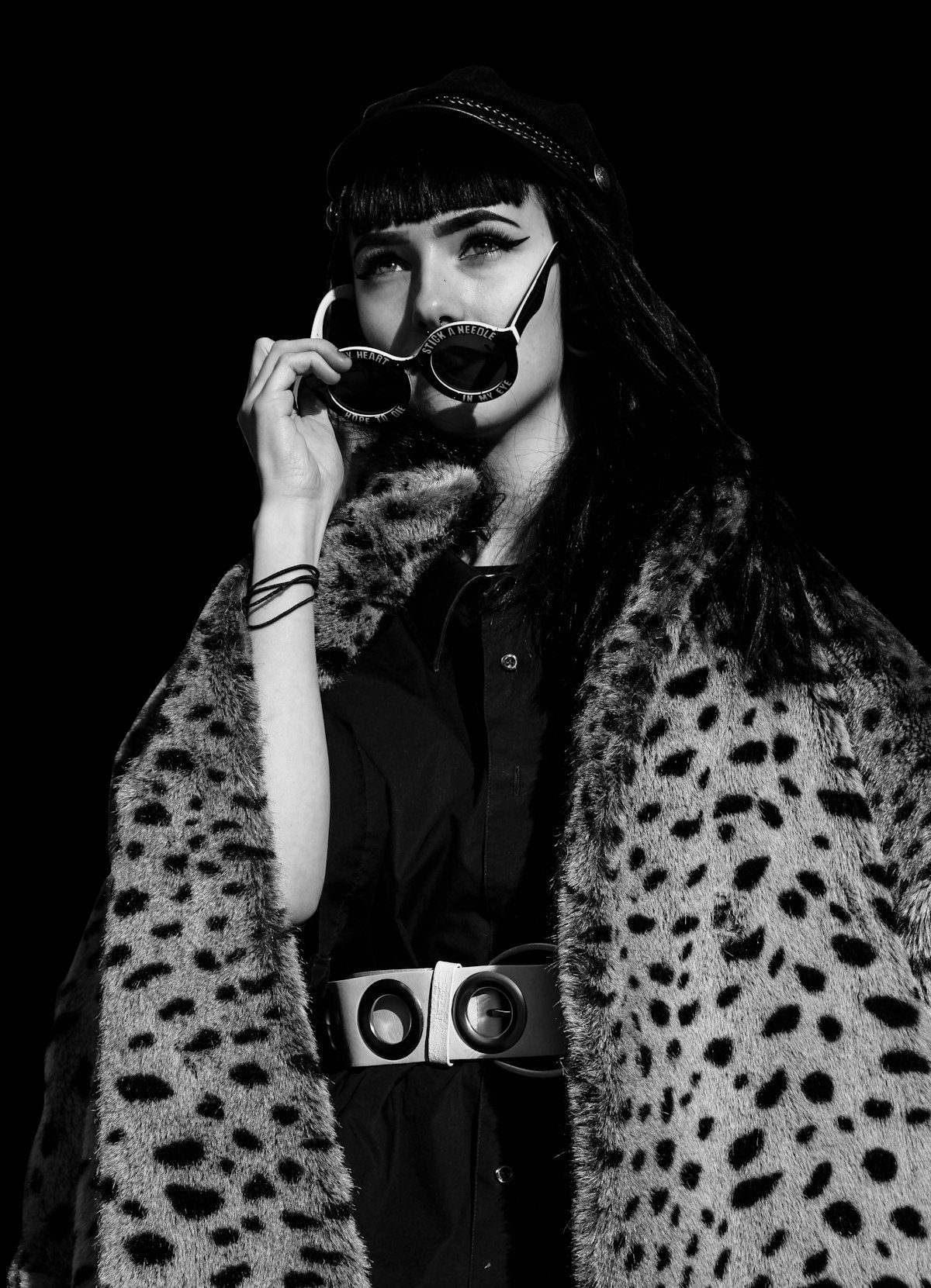
Editorial stock photograph · Source and photographer. Styling illustration; no product endorsement implied.
An animal-print outer layer can make an outfit feel resolved before the clothing beneath it has received an independent review. Begin with a familiar complete base that can serve the indoor part of the day. The print can then have its own visual role without carrying every practical decision. A useful pairing respects the actual garments and your preference beyond the arrival image.
Choose the base independently
Select familiar clothing suited to the real activity. Read relevant product information and review current readiness. A top and lower garment should not depend on the printed layer remaining closed throughout the day to feel like a considered combination.
Try gentle ordinary movement in a suitable space. Keep unfinished care or a fit question separate from the outer layer’s appearance. A striking pattern can hide an area in a photograph without resolving what the actual garment needs.
Add the intended outer garment
Read its relevant guidance and choose the opening you plan to use. Observe the collar, sleeves and lower edge without forcing a feature to maintain a particular shape. Do not assign a material from an animal-like print or assume the surface shares the properties of another coat.
Review the actual pieces together in suitable light. A monochrome inspiration image can show arrangement while leaving colour unknown. Keep your own preference with the real clothing instead of treating the reference as a precise product specification.
Keep accessories tied to roles
Include the bag needed for ordinary belongings within product guidance. A strap or handle can occupy space that looked clear before carrying anything. Review that relationship with the actual load and intended carrying method.
Add personal accessories only where their role is understood. The print does not require a matching set, nor does it create a universal need for a completely plain base. Existing belongings can support a useful outfit without every colour or motif receiving a purchased companion.
Review indoor transitions
Remove the outer layer in a realistic sequence in a suitable space and give it an appropriate temporary place. Check the base outfit as the visible arrangement. Put the layer back on with the bag present and notice whether the sequence remains comfortable.
If the combination repeatedly needs correction, compare another existing piece or a different intended opening. A practical adjustment may serve the day more clearly than a further shopping decision. Keep the conclusion specific to the products you actually have.
Preserve a workable option
Record the actual base, printed layer and intended arrangement if they helped. A short private note can save the useful relationship without becoming a formula for all animal-print clothing. Another garment may have different construction and deserve its own review.
After wearing, return each piece through appropriate care and storage. A complete indoor base lets the printed outer layer remain distinctive while preserving ordinary movement, real belongings and personal choice throughout the day rather than only in the first photograph.
Related reading
Mixing Two Patterns by Changing Their Scale, Autumn Layering Without the Bulk.
Check your wardrobe first, note the gap you want to fill, then compare fabric, fit, care instructions and the retailer’s current return terms.
Explore our retailer directory →