Try a Backpack with the Outerwear It Will Accompany
Try a backpack with the outerwear it will accompany, checking the intended carrying setup and ordinary layer changes before an empty-bag photograph decides the pairing.
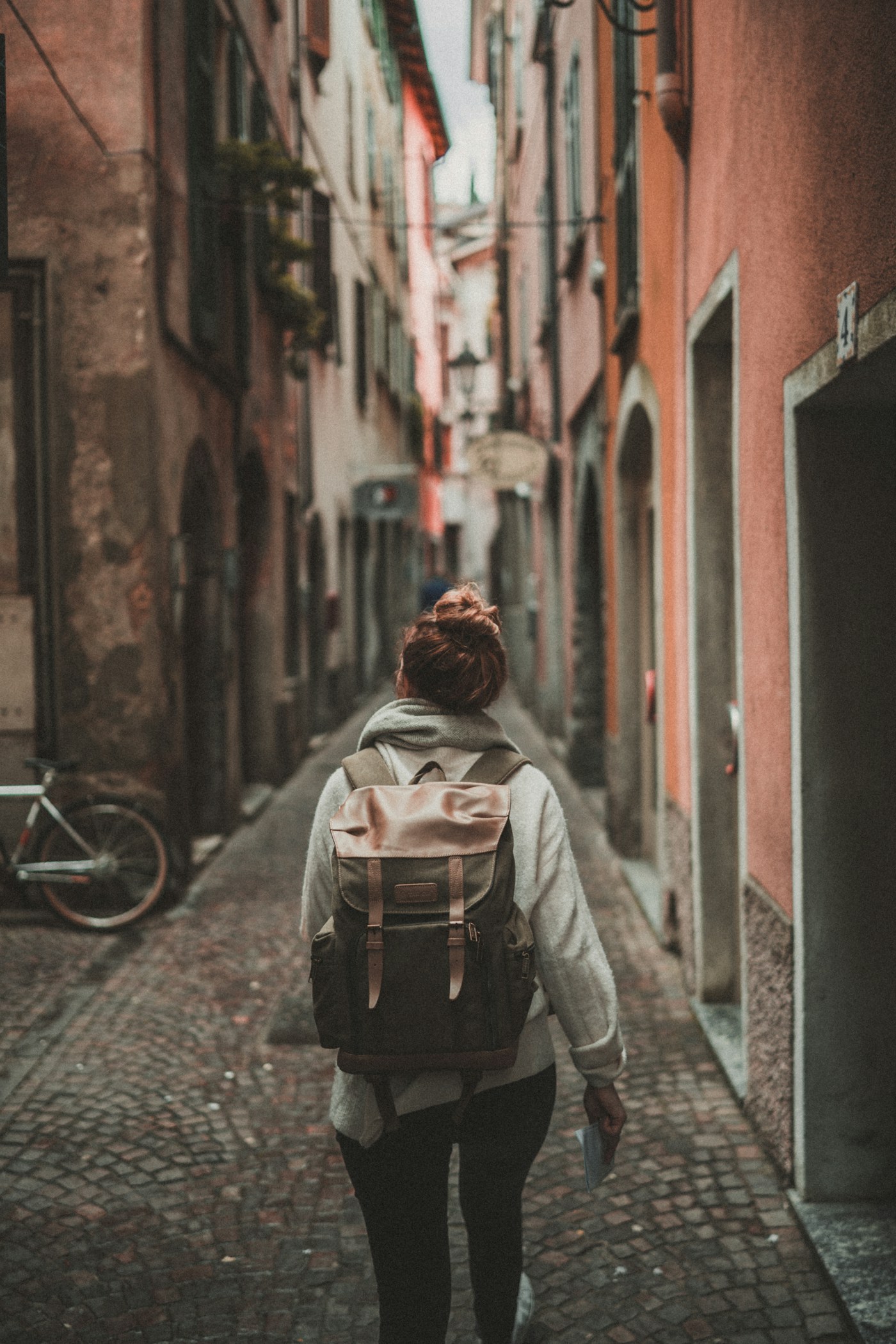
Editorial stock photograph · Source and photographer. Styling illustration; no product endorsement implied.
A backpack chosen while wearing a light shirt may interact differently with the coat used for the actual journey. The visible shoulder area, front opening and normal removal sequence all change when another layer is added. Try the real combination before deciding the bag has solved the carrying plan. The aim is an understood outfit and product setup, not an improvised adjustment intended to make every bag work with every coat.
Name the actual outing and load
Choose a realistic ordinary group of belongings within the backpack's stated intended use. An empty bag can hide questions that appear once it carries the items required for the day. Keep the product's relevant guidance with the comparison rather than inferring limits from appearance.
Identify the outerwear that will actually be worn. A hypothetical future coat does not answer the current pairing. If two familiar layers are genuinely part of the plan, give each a separate practical comparison.
Use the intended carrying arrangement
Follow the backpack's own setup information. Look at the straps and any relevant supplied fittings without assuming an unfamiliar buckle has the same purpose as one on another bag. Resolve an operating question before experimenting with the clothes around it.
With the appropriate setup established, notice where the straps sit on the actual outer layer. The coat's collar, seams and front opening can all contribute to the result. A visually balanced rear photograph is only one part of the view.
Include putting on and taking off
Use an ordinary appropriate sequence that suits the wearer and equipment. The pairing should not depend on someone else lifting a collar or holding a sleeve in a special position every time the bag is removed.
Think through the indoor change as well. If the coat comes off at the destination, the backpack still needs a clear suitable place and the base outfit still needs to work. Keep this transition distinct from the brief outdoor photograph.
Keep comparison questions specific
If something is awkward, name the actual interaction. A strap may cover a pocket opening, a collar may fold unexpectedly or several carried pieces may compete for the same space. Those observations lead to clearer choices than a general conclusion that the outfit looks wrong.
Compare another owned suitable bag only where it answers the specific issue. Do not add a new accessory purely to reproduce the colour balance of a traveller photographed in a narrow street.
Keep a short note about the successful bag, outer layer and ordinary load. That record can make the next departure easier while preserving the product's own limits and instructions. A useful backpack pairing supports the real sequence of carrying, arriving and changing layers, rather than merely looking complete from behind.
Related reading
A Carry-On Capsule for a Short City Break, Bag Strap Length over Light Jackets and Winter Coats.
Check your wardrobe first, note the gap you want to fill, then compare fabric, fit, care instructions and the retailer’s current return terms.
Explore our retailer directory →