Read a Blue Bag’s Interior Details alongside Its Exterior
Read a blue bag’s interior views beside its exterior styling, checking the opening, compartments and stated contents role before choosing it for the belongings you carry.
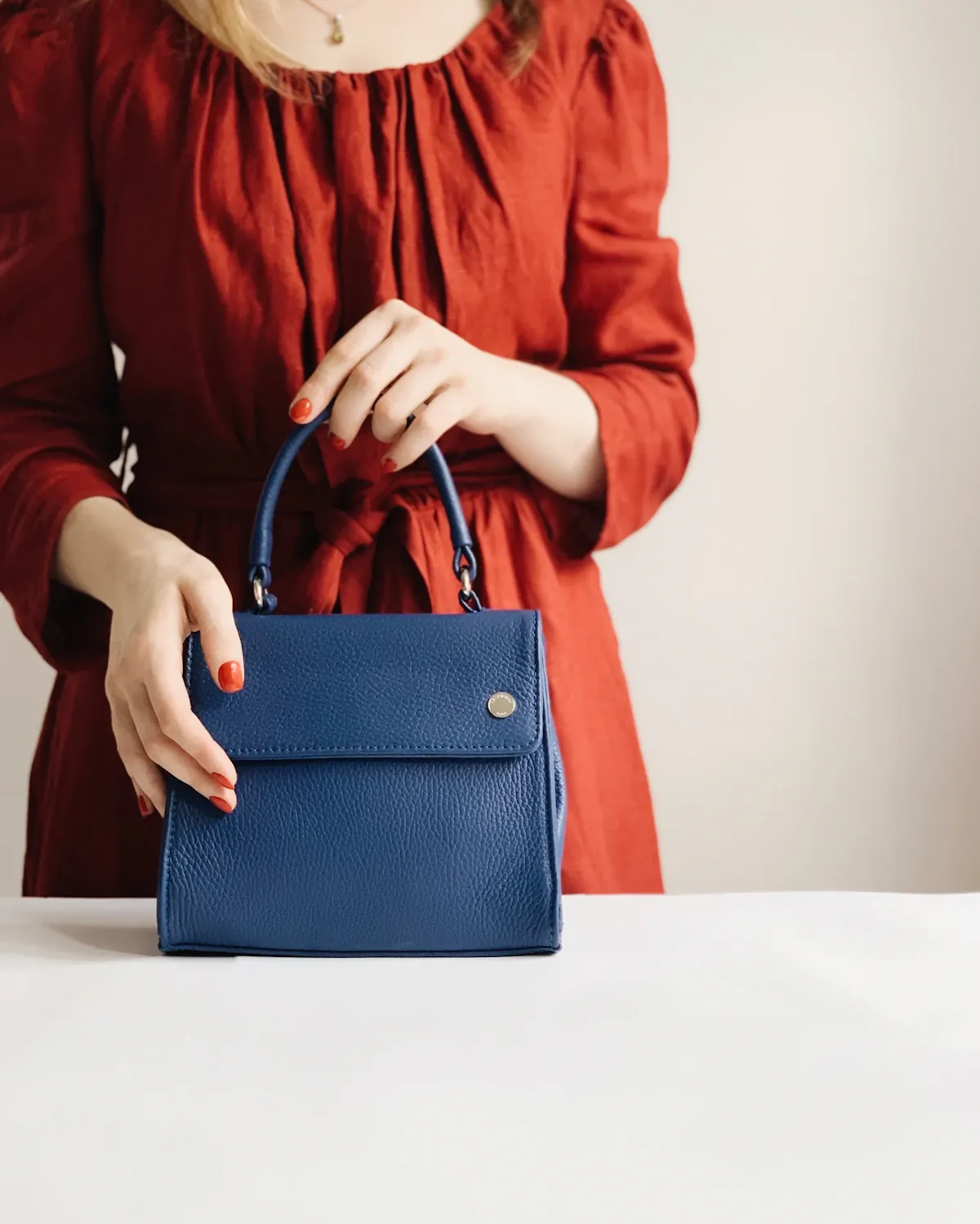
Editorial stock photograph · Source and photographer. Styling illustration; no product endorsement implied.
A blue bag can look like the missing colour in a wardrobe while its interior remains almost invisible. Before treating the purchase as a simple styling decision, read the opening and compartment information. A useful colour choice still needs an understood carrying role. The bag should answer a real belongings question as well as a visual preference.
List the few items that matter
Name the objects that genuinely determine the bag's usefulness for you. A phone, a glasses case or another familiar item can create a different requirement from a collection shown in a campaign photograph. Keep the list tied to actual plans rather than adding every possible contingency.
Preserve those objects' identities and dimensions where relevant. Do not promise fit from the bag's outer outline alone. A large-looking front can conceal a smaller opening or a divided interior.
Find an open view
Look for an image with the bag open and compare it with the written description. Identify the main compartment, any divider and the closure as far as the evidence shows. A shadow or a hand can conceal details, so avoid completing the image from a familiar bag at home.
Read what is actually included. A removable pouch shown inside may be part of the product, an optional accessory or simply styling. Keep that scope clear before counting on it as the organiser for your daily items.
Review the retrieval question
Think through retrieving one frequently needed object. Would a divider give it a clear place, or would the arrangement require moving several other belongings? The point is not to invent a perfect pocket system; it is to understand the role you expect the bag to serve.
If the listing gives only exterior dimensions, retain that limitation. A specific enquiry about the opening or included compartments is more useful than asking whether the bag is practical. Keep a relevant reply tied to the actual model and version.
Return to the colour decision
Look at the blue beside clothes you already own, allowing for the limits of product photographs and screens. A bag can add a colour without requiring matching shoes or jewellery. An existing familiar outfit may be enough to establish a role.
Separate the two verdicts. You can love the colour while concluding that the interior does not serve the intended belongings. Equally, a useful arrangement may deserve consideration even when the shade differs from the first saved image.
Review appropriately if ordered
Follow applicable purchase and product guidance while comparing the received bag with the information relied on. Keep useful documentation available and avoid forcing a closure around contents merely to prove the first plan works.
A considered interior review gives a distinctive blue bag a realistic wardrobe role. It keeps colour, product scope and ordinary retrieval connected without allowing an attractive closed front to supply hidden details the listing has not established.
Related reading
Choosing an Everyday Handbag by What You Carry, Read a Bag Handle’s Role in the Actual Listing.
Check your wardrobe first, note the gap you want to fill, then compare fabric, fit, care instructions and the retailer’s current return terms.
Explore our retailer directory →