
A Casual Cap with the Actual Top and Neckline
Review a casual cap with the actual top and neckline you intend to wear, keeping product identity and ordinary removal clear instead of treating the cap as a fixed styling formula.
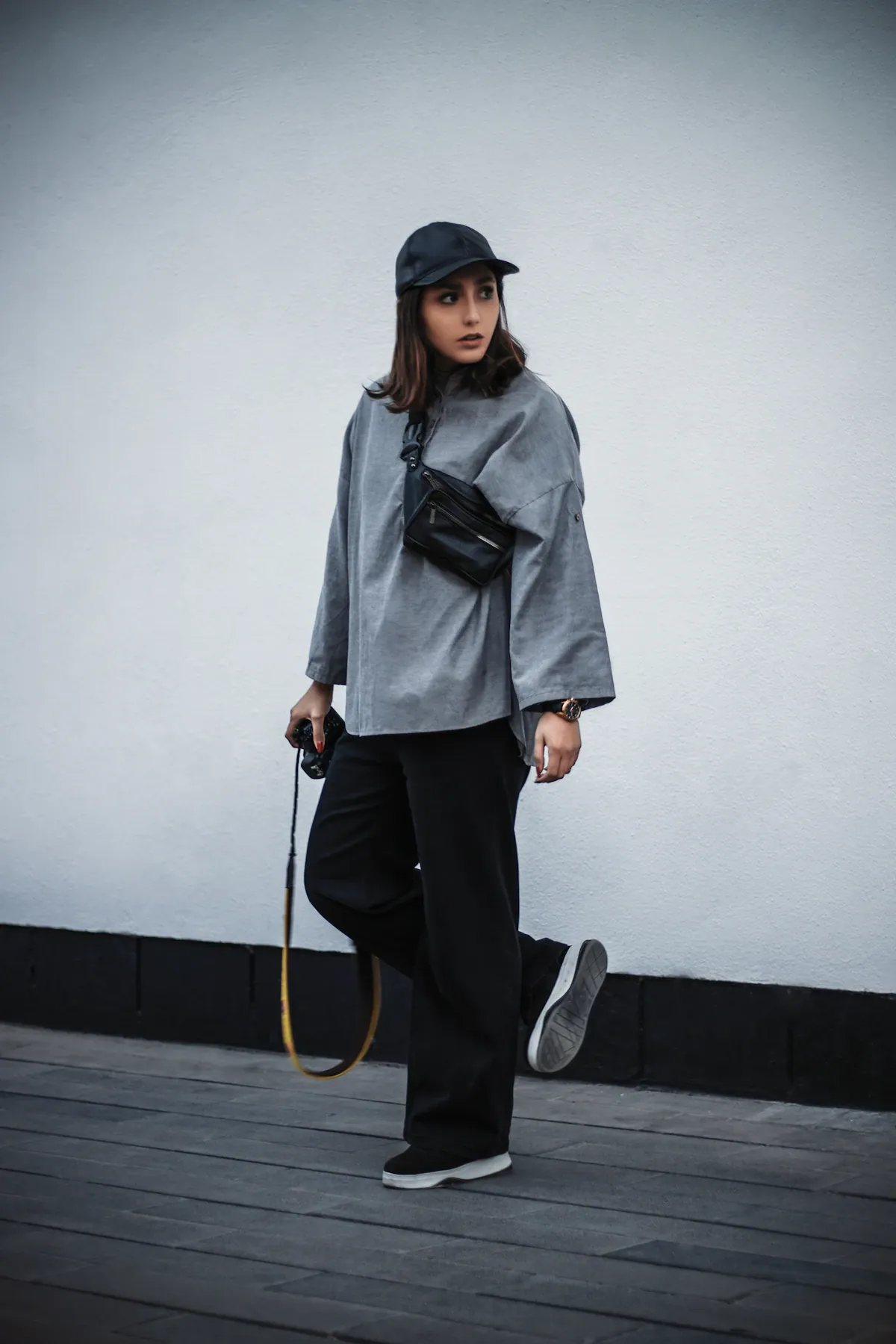
Editorial stock photograph · Source and photographer. Styling illustration; no product endorsement implied.
A casual cap can feel like a small finishing detail until it joins a neckline, outer layer and the real belongings of a day. Review the actual items together rather than treating the cap as a formula that works identically with every top. Its role can be a personal preference while still needing clear handling, ownership and a place when it comes off.
Identify the actual product
Read the cap's relevant information and intended adjustment guidance. Do not assign a material or function from a dark colour or familiar silhouette. A similar-looking image cannot establish every feature of the item you own.
Choose the top independently
Start with familiar clothing suited to the actual activity. Review the neckline and complete base arrangement before adding the cap. A grey top in a reference image can suggest a visual relationship without specifying the construction or care needs of your own garment.
Keep the top's current readiness separate from styling. A cap or layer should not distract from an unresolved clothing task. Read relevant information and preserve any unfinished step honestly.
Look at the visible relationship
Try the actual cap and top in a suitable private space using their intended arrangements. Decide whether the neckline and overall detail suit your preference. A quieter or more prominent combination can remain personal rather than becoming a rule about casual clothing.
Add the intended outer layer if one belongs in the plan. Its collar can change the space around the cap and neckline. Do not force a garment detail to hold a preferred shape or use the cap as an improvised attachment for another object.
Include ordinary removal
Consider when the cap may come off and give it an appropriate temporary place according to guidance and the setting. A useful outfit plan includes that transition rather than assuming an accessory remains in place throughout every activity.
Keep ownership clear if similar caps are nearby. A familiar colour may not distinguish the actual item once belongings move. Ordinary clear communication is usually more useful than an elaborate record containing unnecessary personal information.
Review the whole belongings group
Add the bag with real contents within product guidance. Keep its carrying components in their intended roles; a convenient loop does not automatically become a cap-storage method. Choose an appropriate existing arrangement rather than copying a styled attachment without information.
Compare the outfit with and without the cap
Keep the top and lower garment unchanged and look at both versions from an ordinary distance. If you prefer the cap version, name what it adds for you: a visible casual detail, a familiar personal choice or another actual role. The answer can remain personal without becoming a rule that the neckline requires a hat.
Then add the outer layer you intend to use. Notice whether its collar changes the balance you first liked. If so, compare wearing that familiar layer open or choosing another owned option where appropriate. An accessory can be useful with one combination and unnecessary with another; it does not need a newly purchased supporting group to justify its place.
Related reading
Earrings That Work Comfortably with Glasses, Weekend Outfit Formulas for Errands and Lunch.
Check your wardrobe first, note the gap you want to fill, then compare fabric, fit, care instructions and the retailer’s current return terms.
Explore our retailer directory →