A Private Dress Back-View Reference with Context
Keep a private dress back-view reference tied to the actual garment and outfit context, using the image for recognition without letting it replace a full movement or fit review.
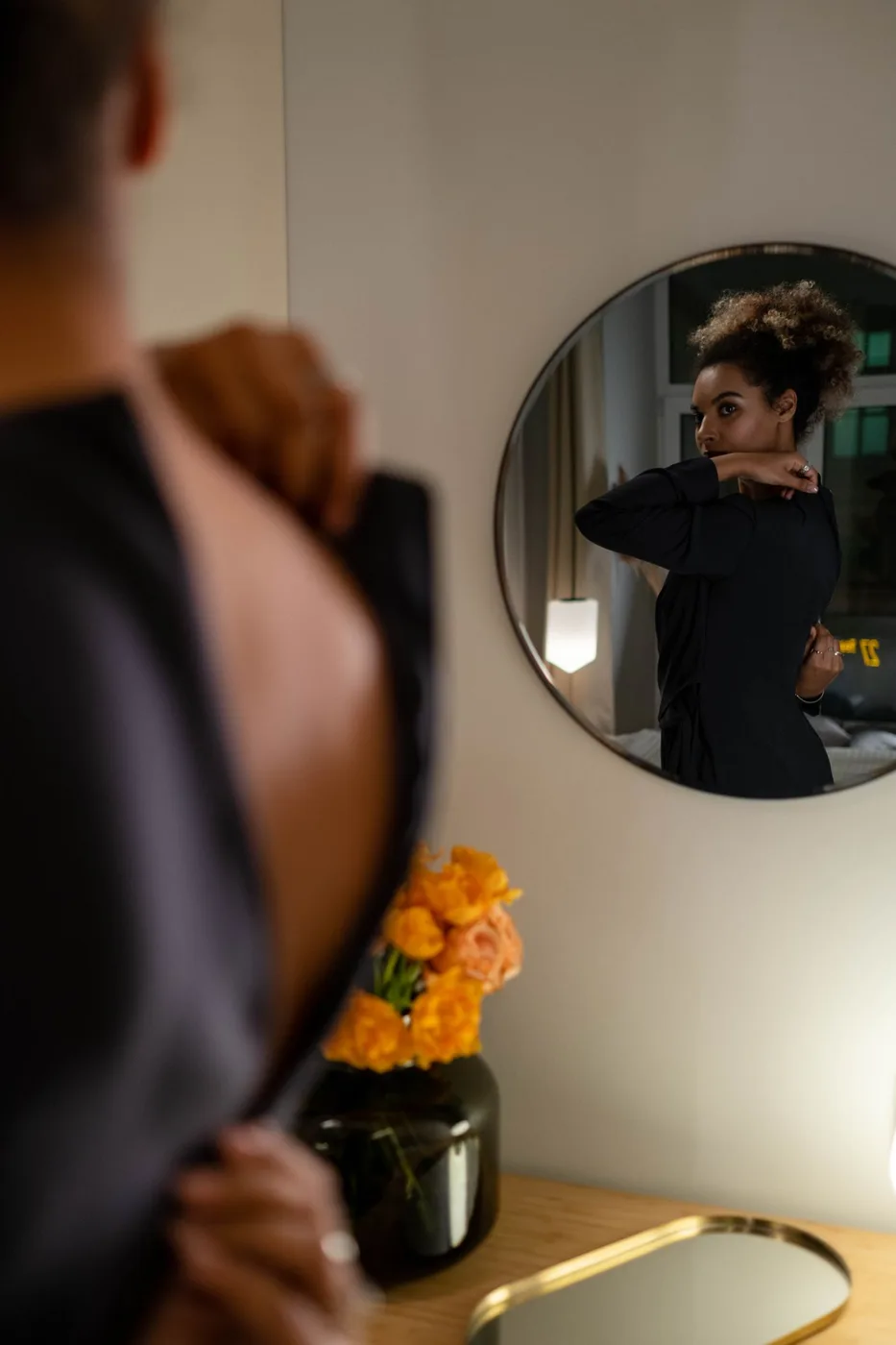
Editorial stock photograph · Source and photographer. Styling illustration; no product endorsement implied.
A dress back-view photograph can preserve a detail that is difficult to remember from the front. It can also create a false sense that the whole outfit has been checked. Give the image a limited role in a private reference. It should help identify the actual garment and arrangement while leaving fit, movement and current condition to an appropriate real review.
Establish the garment identity
Read available product information and record the precise dress where known. Keep a relevant variant with the name if it distinguishes the piece. A dark outline or floral section alone may not identify the item in a growing folder.
If product details are incomplete, preserve what you genuinely know without assigning a material or maker from the photograph. A useful outfit note does not need a complete invented specification to support recognition.
Choose a suitable private image
Use a space and method appropriate to your privacy and comfort. Check the frame for unrelated personal information before saving it. The purpose is your own wardrobe decision rather than a requirement to publish or share an image.
Include enough context to understand the relevant back arrangement. A very tight crop may lose the garment identity or the relationship with another layer. Check that the saved view actually answers the question you intended it to support.
Preserve the image’s limits
A still photograph shows one position under particular lighting. It does not establish how a closure behaves during ordinary movement or whether the garment remains comfortable through an activity. Keep those decisions with the actual dress.
Do not treat apparent colour or surface in the image as an exact product reference. Lighting and screens can influence appearance. The label and relevant product information remain more appropriate for identity and care questions.
Review the complete outfit separately
Try familiar shoes, layers and the intended bag in a suitable space. Sit and stand gently according to the garment’s intended use. A back-view note can support that review without becoming proof that every practical detail has already been settled.
Keep any unfinished task visible. A beautiful reference made on an earlier day should not imply the dress is currently ready to wear. Ownership, condition and a successful past combination answer different questions.
Make the note repeatable
Name the actual pieces and intended arrangement beside the image where useful. Record a specific limitation if it mattered, without creating a universal rule about similar dresses. Another garment deserves its own review even when the neckline looks alike.
Update an active inventory entry when the dress leaves the wardrobe. Retain a historical inspiration note only where it still serves a clear purpose. A modest private back-view reference makes a real outfit easier to remember while respecting the photograph’s limits and keeping ordinary use central to the next decision.
Related reading
A Fitting-Room Routine for Clothes You Will Actually Wear, A Wrap Dress Check for Sitting, Walking and Real Plans.
Check your wardrobe first, note the gap you want to fill, then compare fabric, fit, care instructions and the retailer’s current return terms.
Explore our retailer directory →