Try One Daytime Role for an Evening Print
Try one daytime role for an evening print, using a familiar quiet layer and actual daytime plan before assuming a patterned dress can only return to the same kind of occasion.
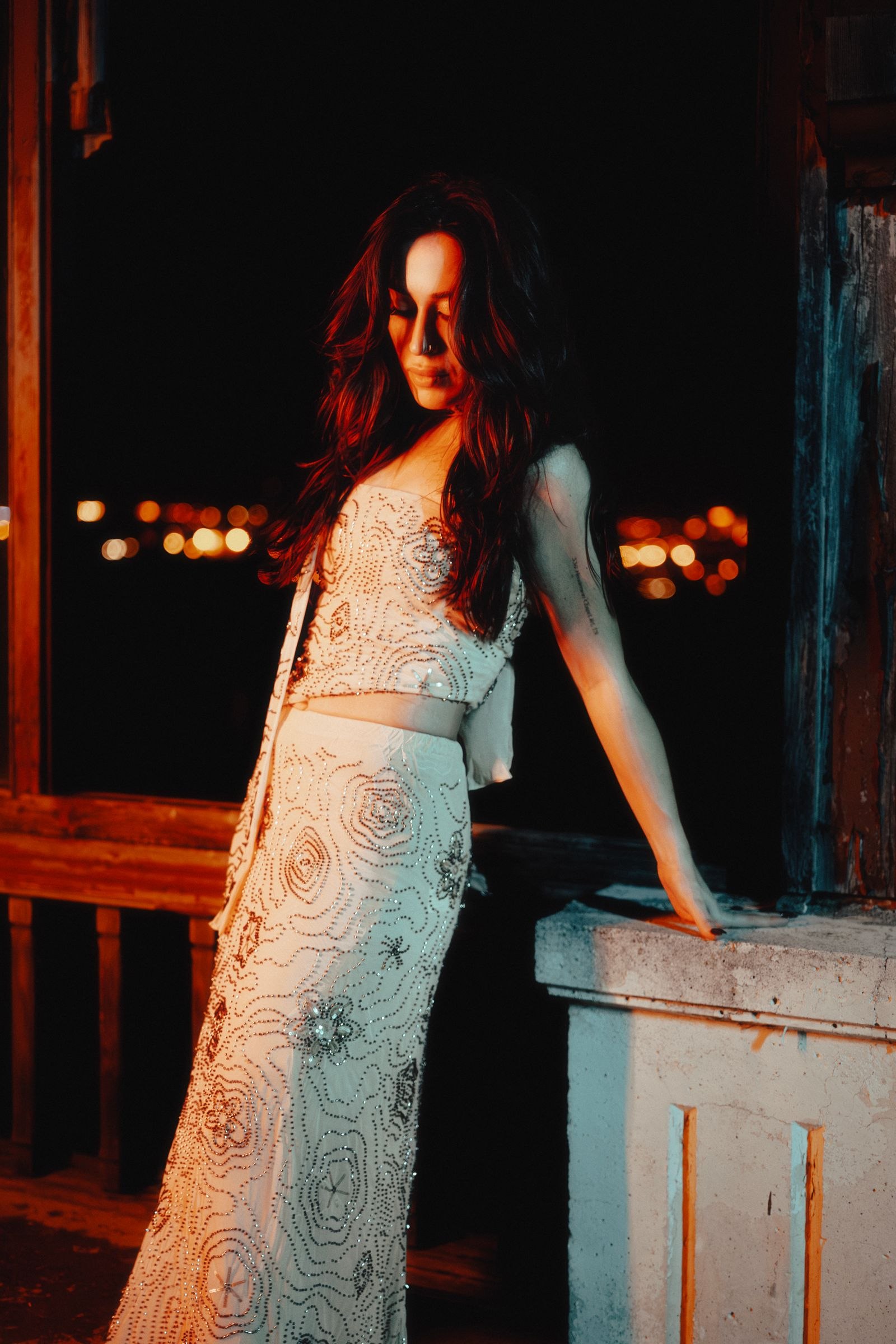
Editorial stock photograph · Source and photographer. Styling illustration; no product endorsement implied.
A dress remembered from an evening photograph can feel tied to that setting even when its actual role could be broader. Start with one plausible daytime plan and the garment already owned. The question is not how to disguise it completely, but which parts of its print and silhouette you want to keep visible beside familiar ordinary clothes. A quiet layer can provide a comparison without creating a new outfit collection.
Separate the garment from its last setting
Look at the dress in ordinary available light. A pattern photographed beside a balcony at night can appear different away from that atmosphere. The image records a moment rather than an instruction that the garment belongs only after dark.
Use the actual product information for composition and care. Shine, pale colour or a decorative-looking surface does not establish material. Any real readiness issue should be resolved separately before treating the dress as a settled option for the plan.
Choose one specific daytime use
Name the actual kind of outing rather than a vague ambition to wear the dress more. A familiar indoor lunch and a long outdoor day create different requirements. The comparison should follow the real activity and your own preferences.
Keep the dress's ordinary shape as the starting point. A daytime role does not require folding away details or forcing the garment into another construction. The point is a considered context, not an improvised transformation.
Try a quiet owned layer
Choose a suitable familiar cardigan or jacket and compare the supported openings. A broader plain area can reduce the visible print, while an open front leaves more of it central. Observe which balance you prefer with the actual dress.
Review the coat-off or layer-off version too. The dress may be used indoors for much of the day. Its base outfit should remain understood rather than depend on the layer concealing the detail that first made you think of eveningwear.
Let accessories follow the day
Use footwear and a bag already appropriate to the plan. A simpler bag may leave the print prominent; another shoe can change the endpoint. Practical suitability remains specific to those actual items, beyond their visual effect.
Avoid adding several casual objects simultaneously to prove the dress has changed category. One considered comparison can be enough. The garment need not lose every trace of its evening role to serve another occasion.
Record what genuinely works
Keep the actual layer, footwear and dress identities with a short note about the plan. If the result remains only an idea, preserve that status rather than inventing a successful wear experience.
A dress can keep its original occasion role while gaining one additional understood use. If the daytime trial adds nothing useful, no wardrobe failure has occurred. The benefit lies in testing a specific possibility with familiar possessions before another purchase is made to solve an assumed one-occasion limitation.
Related reading
Give a Dark Dress One Real Repeat-Wearing Role, A Practical Wedding Guest Outfit Plan.
Check your wardrobe first, note the gap you want to fill, then compare fabric, fit, care instructions and the retailer’s current return terms.
Explore our retailer directory →