Belt Width, Buckles and the Trousers You Already Own
A practical guide to belt width and trouser loops, with specific checks, useful tradeoffs, troubleshooting and a manageable care plan for ordinary days.
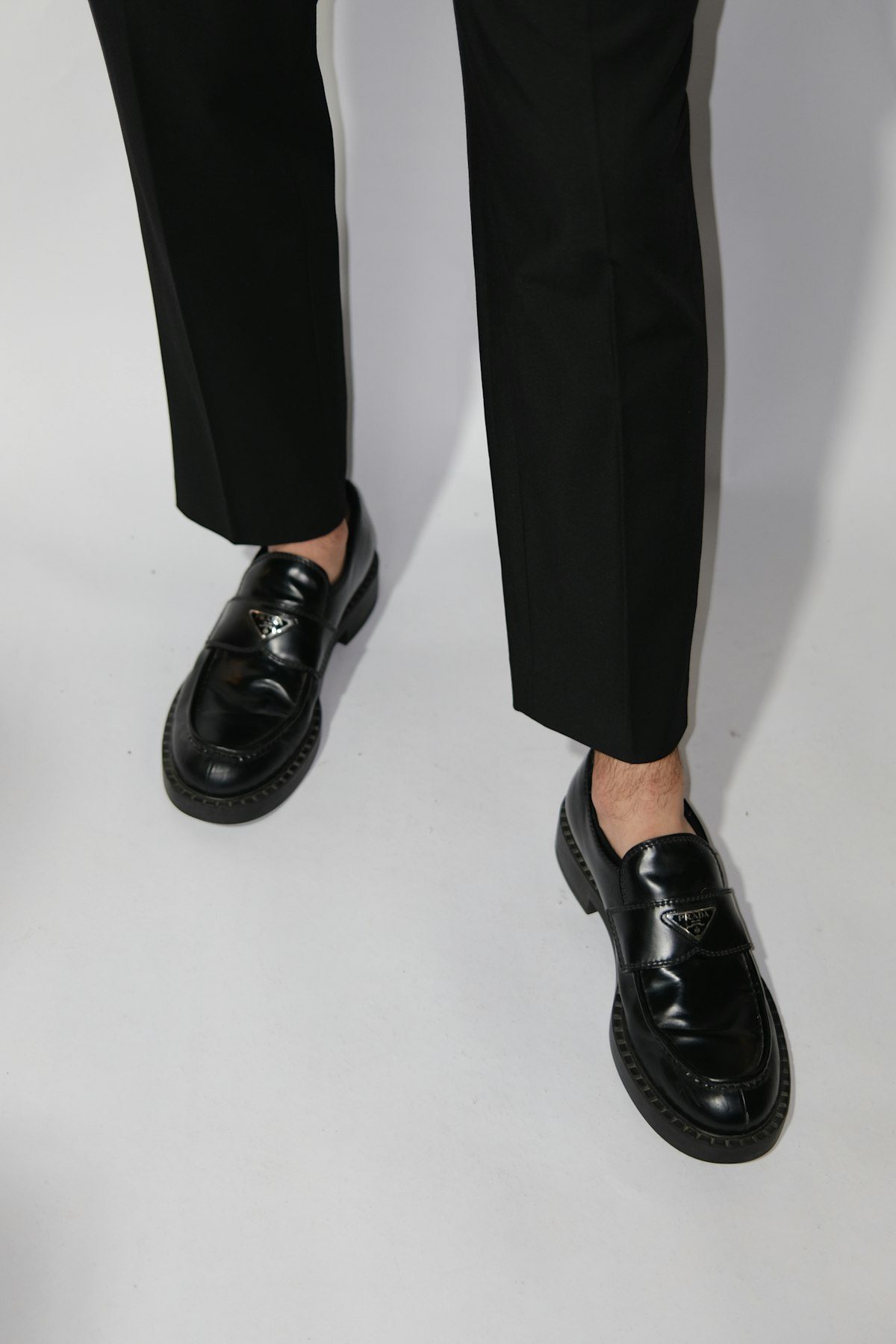
Editorial stock photograph · Source and photographer. Styling illustration; no product endorsement implied.
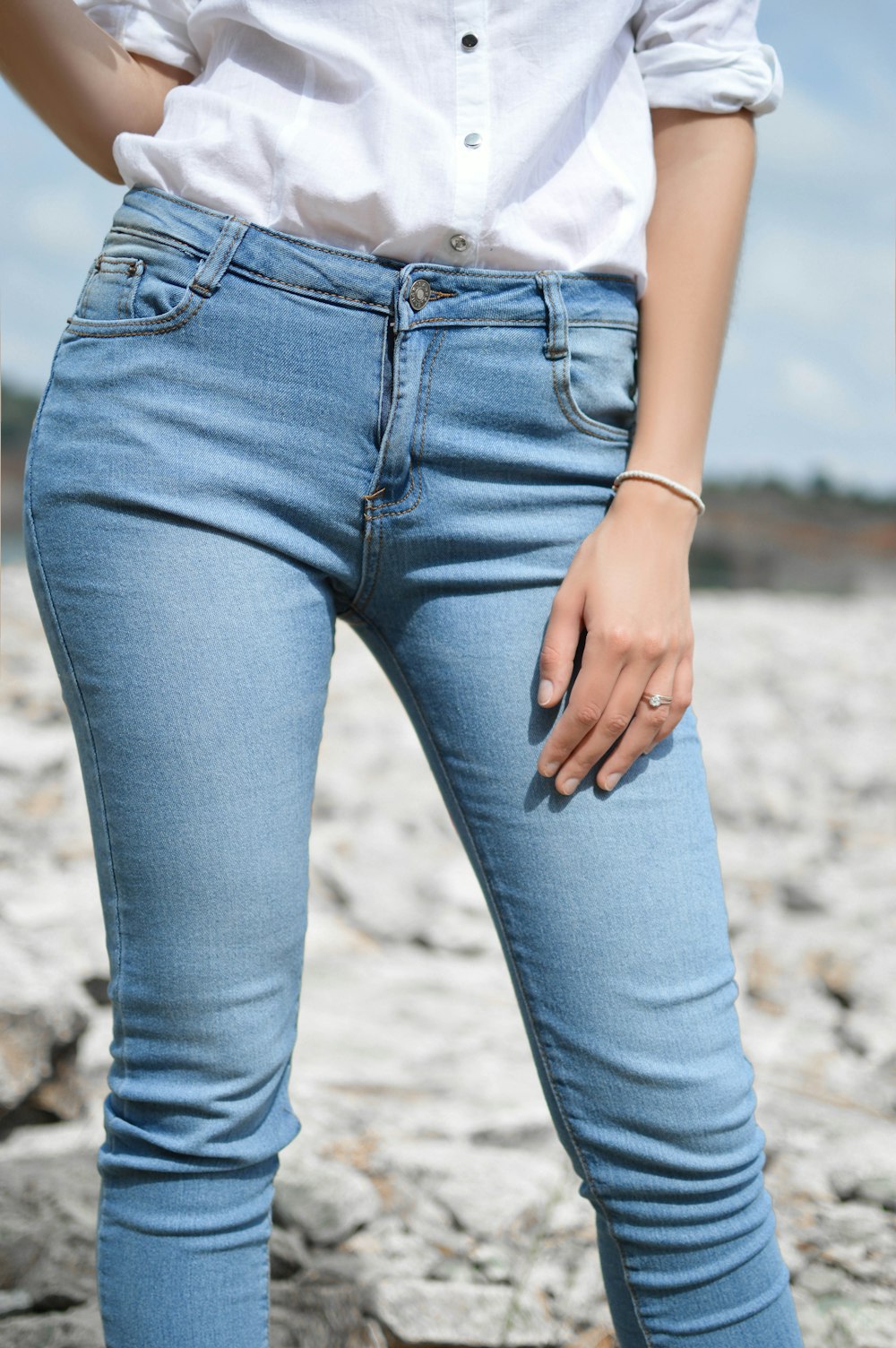
A belt can define a waistband, add a small colour connection or help a suitable pair of trousers sit more securely. It should not have to correct a fundamentally uncomfortable fit. Before choosing a new belt, inspect the loops on the trousers you expect to wear most. A belt that fits through the first loop may still be too wide for a narrower one at the side or back.
Measure the usable space
Measure the narrowest loop and compare it with the belt's full width, including any raised edge. Leave enough room to thread it without forcing the fabric. Check the buckle as well: some buckles are awkward to pass through loops even when the strap fits. If shopping in person, bring the intended trousers where practical. An online width measurement is useful, but construction and stiffness still affect handling.
Choose the hole that feels comfortable seated
Fasten the belt at a normal comfortable position, then sit for a few minutes. Check whether the buckle presses, the waistband folds or the strap pulls the trouser front upward. A hole that looks neat standing may be too restrictive for desk work. Do not solve a gap in an unsuitable trouser waist by cinching the belt until fabric bunches. A waistband alteration or different cut may be the better answer.
Decide how visible the belt should be
A narrow belt makes a smaller break between top and trousers. A wider one becomes a more obvious feature and needs enough waistband space. Try it with the actual shirt or knit. A bulky buckle beneath a fine top can create an unwanted protrusion, while an untucked top may hide most of the belt. If the detail will rarely show, prioritise comfort and function over elaborate hardware.
Check the material and flexibility
Handle the belt and inspect edges, stitching and adjustment holes. A firm belt holds a line but may feel different from a soft one when sitting. Do not assume every leather-looking surface can be conditioned or every woven belt can be washed. Read the product's actual material and care description. Consider whether the finish could transfer colour or snag delicate clothing where it touches.
If the buckle tilts
Check loop placement, belt stiffness and whether the belt sits at an appropriate hole. A buckle can tilt because the surrounding fabric is pulled unevenly, so adding another hole may not solve the cause. Ask an appropriate repair specialist before altering the belt, especially where decoration or layered construction is involved. Stop using a damaged buckle or badly weakened strap until it has been assessed.
Should the belt match the shoes exactly?
It does not need to. Related tones can connect the outfit, while a deliberately different belt can be a small focal point. Try the whole combination with the outer layer before buying a matching accessory. Store belts without sharp crushing folds and follow the maker's care instructions to keep the useful pair ready for ordinary wear.
Related reading
Continue with A Capsule Wardrobe Built Around Your Actual Week and How to Wear Wide-Leg Trousers on an Ordinary Day. These existing guides provide a broader starting point for the related wardrobe, home or planning decision.
Check your wardrobe first, note the gap you want to fill, then compare fabric, fit, care instructions and the retailer’s current return terms.
Explore our retailer directory →