Knitwear Length and Trouser Rise: Three Ways to Compare
A practical guide to knitwear length with trousers, with specific checks, useful tradeoffs, troubleshooting and a manageable care plan for ordinary days.

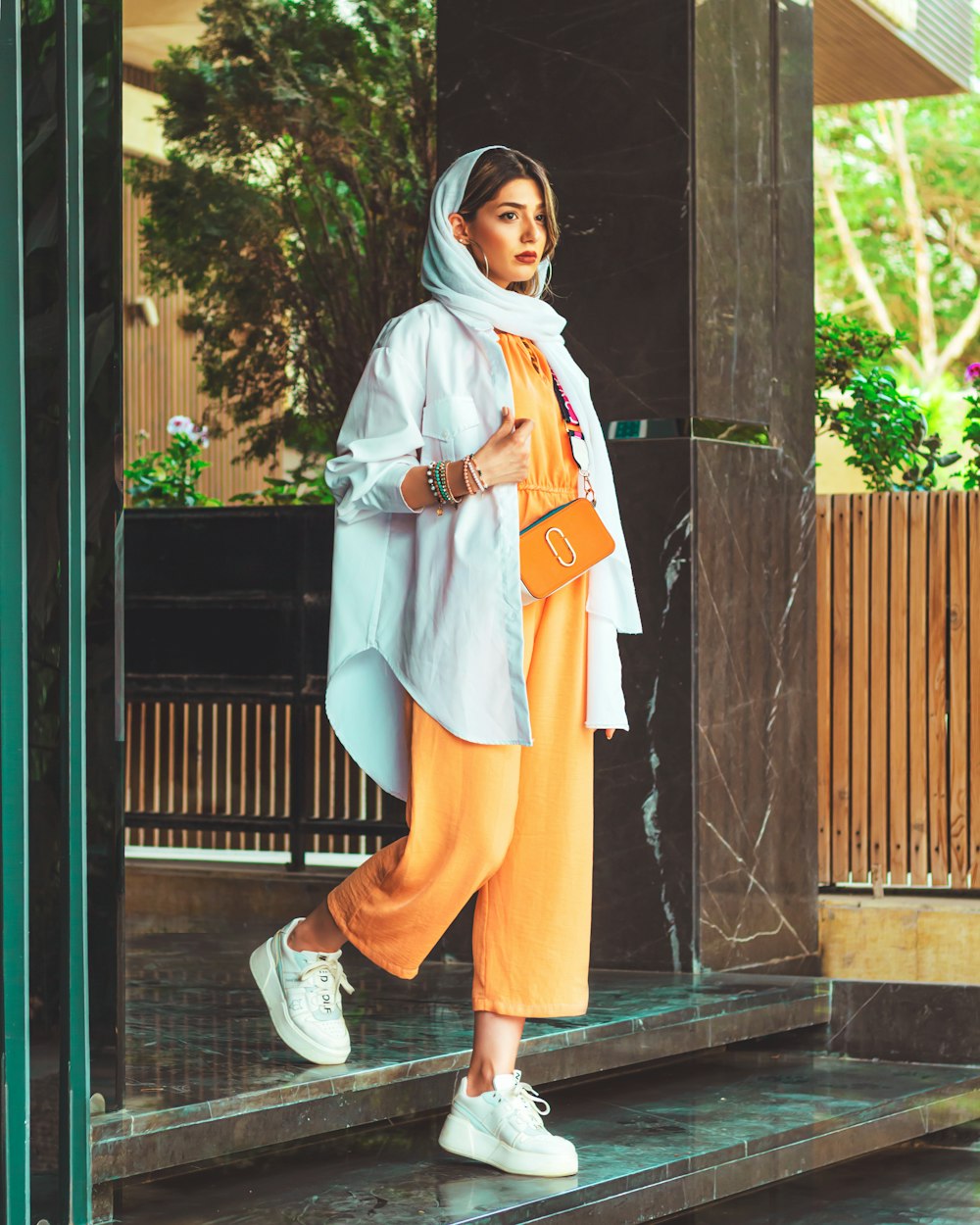
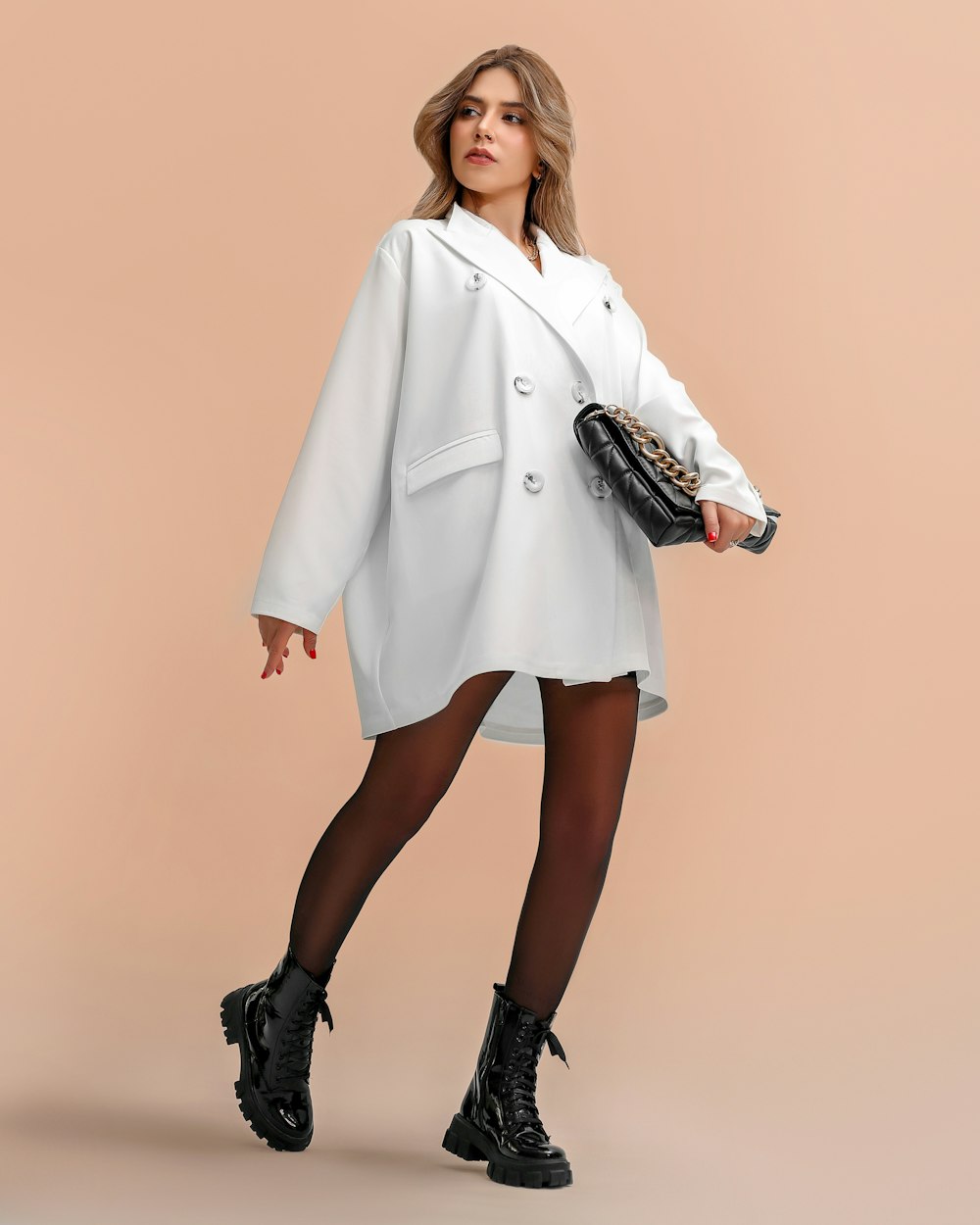
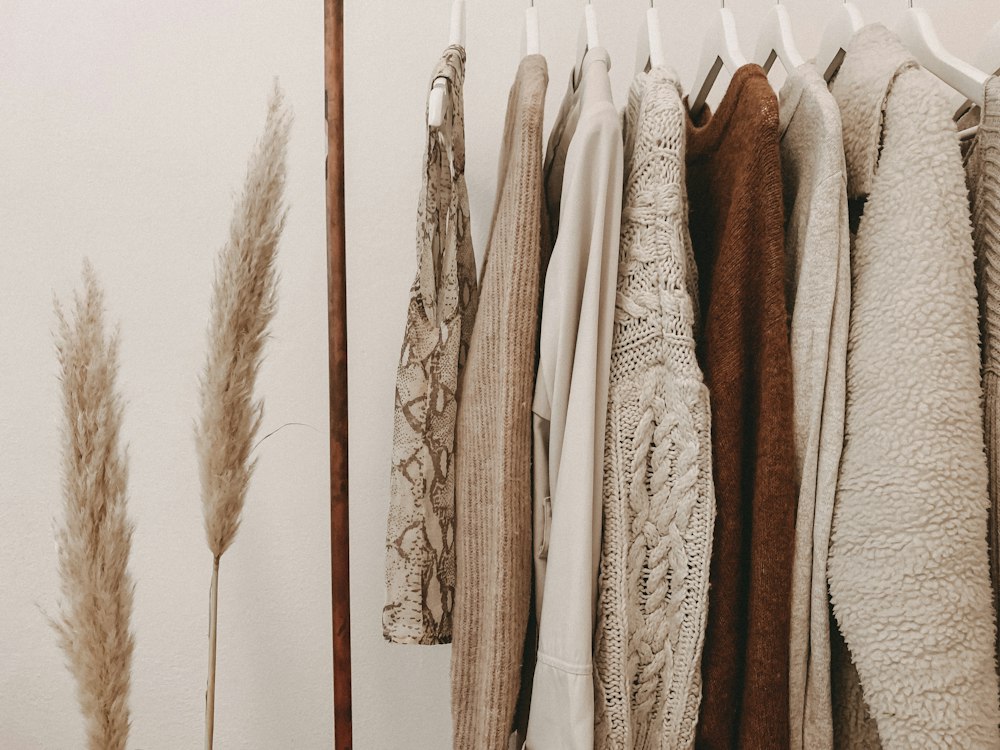
Editorial stock photograph · Source and photographer. Styling illustration; no product endorsement implied.
A sweater's length changes the visible shape of an outfit, particularly beside a higher trouser waistband or a wide leg. You do not need a new knit for every pair of trousers. Compare three straightforward versions with one outfit: untucked, lightly front-tucked and fully tucked where the fabric allows. The useful choice should stay comfortable when seated and require little adjustment during the day.
Begin with the untucked version
Put on the trousers where they naturally sit, then let the knit fall without pulling it down. Check the side and back as well as the front. A longer knit can give a relaxed continuous line, while a shorter knit reveals more of the trouser shape. Move your arms and sit before judging coverage. A sweater that looks long enough while standing may rise more than expected in use.
Try a small front tuck
Place only a shallow amount of the centre front inside the waistband, leaving the sides easy. The point is to reveal a little waist definition, not to anchor the entire sweater under tight trousers. Check whether the knit creates pressure or a visible lump. If the waistband becomes uncomfortable, try a finer knit or stay with the untucked version. A styling technique is optional, not a test the garment must pass.
Assess a full tuck only when practical
A fine knit may tuck neatly, but a thick rib or substantial cable often adds too much bulk. Sit and check the back; fabric can gather beneath the waistband even when the front seems smooth. Make sure the trousers themselves still fit. If the tuck only works with the waist loosened beyond its normal position, it may not be the useful combination for a full day.
Include the coat or jacket
A short outer layer over a longer knit creates a visible second hem. That can be intentional, but compare how much shows rather than accepting a narrow accidental strip. A longer coat may conceal the relationship outside, yet the outfit still needs to work indoors. Try the complete arrangement with the usual bag, since a strap can pull the knit upward or change how the neckline sits.
If the sweater keeps catching
Inspect the trouser waistband, pockets and any belt. Rough hardware or a bulky buckle can catch a knit that otherwise falls well. Compare the outfit without the belt before changing the sweater. If the knit grips the fabric beneath it, a different pairing may be more useful than constant pulling. Do not apply unapproved fabric treatments to force two incompatible surfaces to behave differently.
Does a wide trouser always need a short top?
No. Fuller shapes can work together if you enjoy their volume and they allow movement. A visible wrist, open neckline or clear hem relationship can add definition without making the top tight. Record the combination that feels useful, then fold the knit or store it as its label advises so stretched shoulders do not change the length over time.
Related reading
Continue with A Realistic Knitwear Care Routine and How to Wear Wide-Leg Trousers on an Ordinary Day. These existing guides provide a broader starting point for the related wardrobe, home or planning decision.
Check your wardrobe first, note the gap you want to fill, then compare fabric, fit, care instructions and the retailer’s current return terms.
Explore our retailer directory →