Giving a One-Colour Outfit Depth with Texture
A practical guide to one-colour outfits with texture, with specific checks, useful tradeoffs, troubleshooting and a manageable care plan for ordinary days.
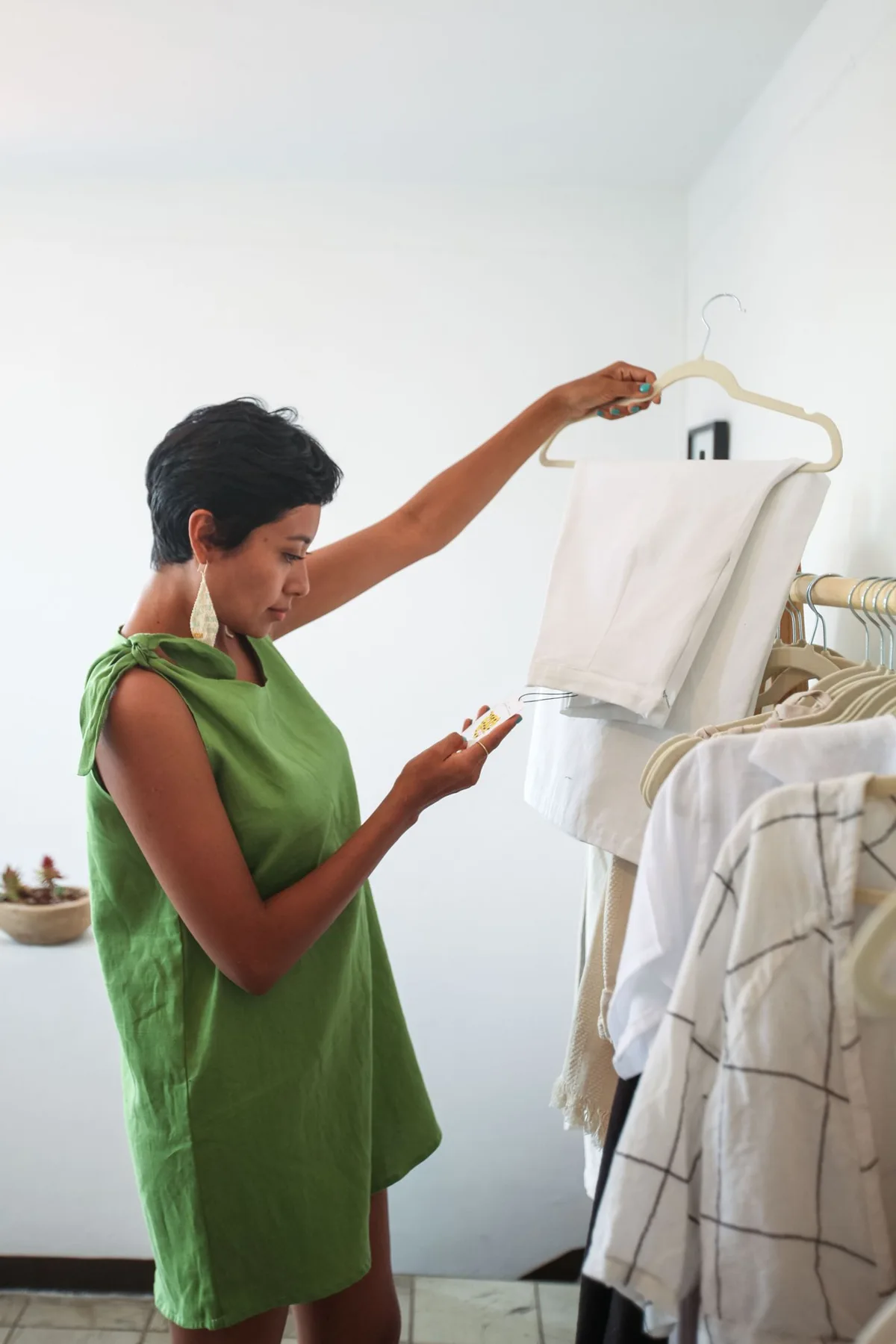
Editorial stock photograph · Source and photographer. Styling illustration; no product endorsement implied.
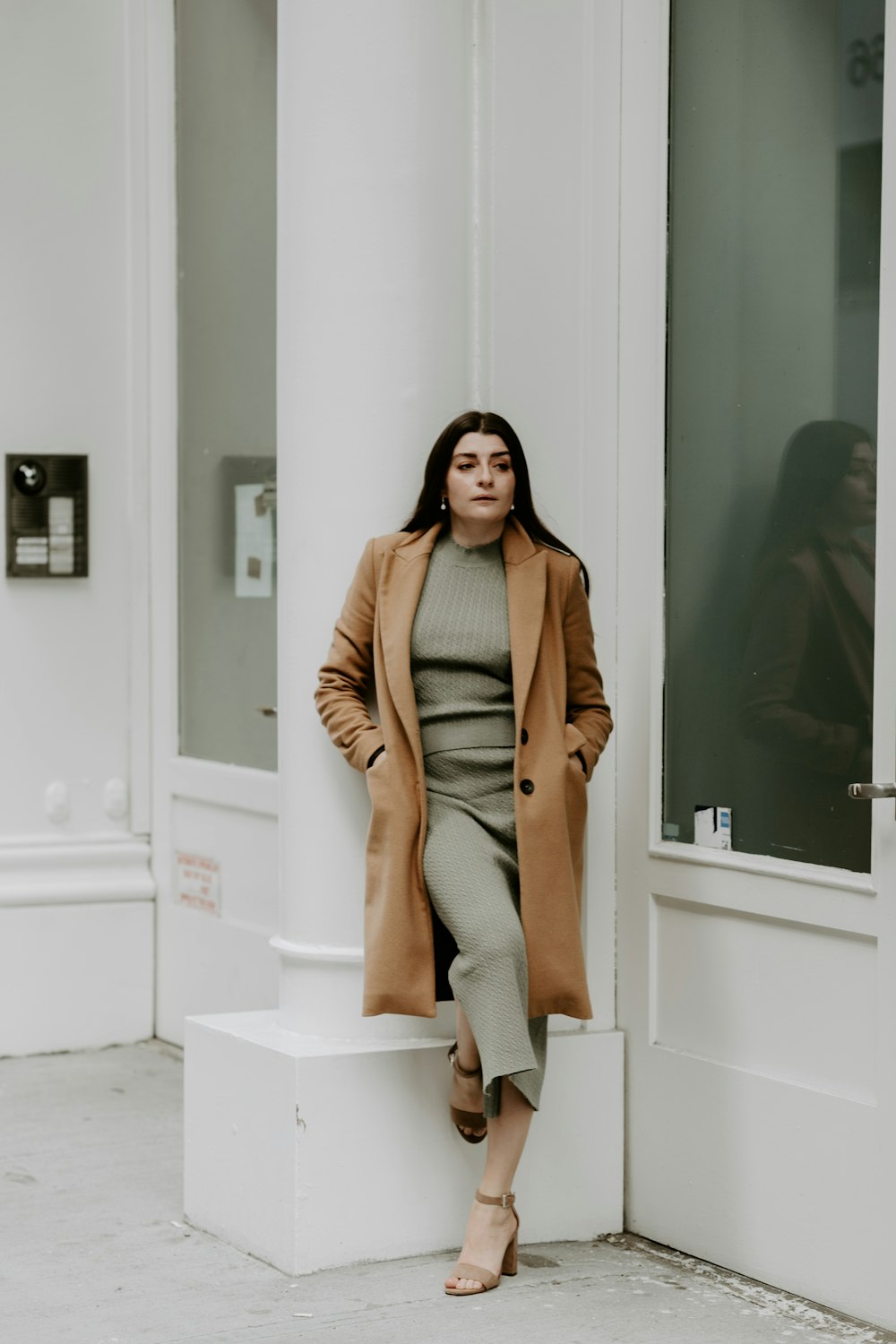
A one-colour outfit does not require every piece to be an exact match. Related tones can look considered when their differences are clear, particularly when texture adds another kind of contrast. Before buying a matching set, try a smooth pair of trousers with a textured knit already owned. Assess the combination in daylight and with the actual shoes and outer layer.
Distinguish a tone difference from a near-match
Place the pieces side by side where you will wear them. Two blacks, creams or browns can have different undertones that become more noticeable together. You can choose a clear tonal relationship rather than chasing an exact match. If the difference looks accidental to you, try a visibly lighter or darker piece. A deliberate change is often easier to use than another purchase that almost matches under one light.
Combine different surfaces
A smooth woven trouser beside a ribbed or softly textured knit gives the eye something to distinguish even when the colours are close. A textured bag or shoe can provide a smaller version of the same idea. Start with two surfaces rather than adding every texture available. Check contact between them: a rough accessory should not snag a delicate knit, and bulky fabric needs enough room beneath outerwear.
Keep the silhouette readable
Try the outfit untucked, then with a small tuck or shorter layer if suitable. A one-colour combination can conceal where one garment ends and another begins, which may be exactly what you like. If you want more definition, reveal a wrist, neckline or waistband rather than adding a tight belt by default. Check the side and seated view so the chosen outline remains comfortable.
Include the accessories actually used
A practical bag or weather-suitable shoe does not have to match the colour story perfectly. A related tone can keep the effect quiet, while one darker accessory can anchor the outfit. Add the coat before deciding that a new bag is needed. The complete ordinary-day combination matters more than an idealised indoor version without the items you must carry.
When the outfit seems flat
Change one texture, shape or lightness first. A smoother top under a textured jacket, a softer trouser beside a structured coat or a small visible piece of jewellery may be enough. Buying another item in the same colour and similar fabric can reproduce the problem. Use the existing wardrobe to test the kind of contrast you want before choosing a replacement.
Does monochrome mean only black or white?
No. A single-colour family can be built around navy, olive, brown, burgundy or another colour you enjoy. The useful starting point is what is already available and compatible with the day. Care for each garment according to its own label. Similar colours may use very different fibres and finishes, so they should not automatically be washed, ironed or stored in the same way.
Related reading
Continue with Dinner Outfits That Leave Room to Enjoy Dinner and Simple Scarf Ideas for Everyday Clothes. These existing guides provide a broader starting point for the related wardrobe, home or planning decision.
Check your wardrobe first, note the gap you want to fill, then compare fabric, fit, care instructions and the retailer’s current return terms.
Explore our retailer directory →