The Daylight Check for a Light-Coloured Shirt
A practical guide to light-coloured shirt opacity, with specific checks, useful tradeoffs, troubleshooting and a manageable care plan for ordinary days.
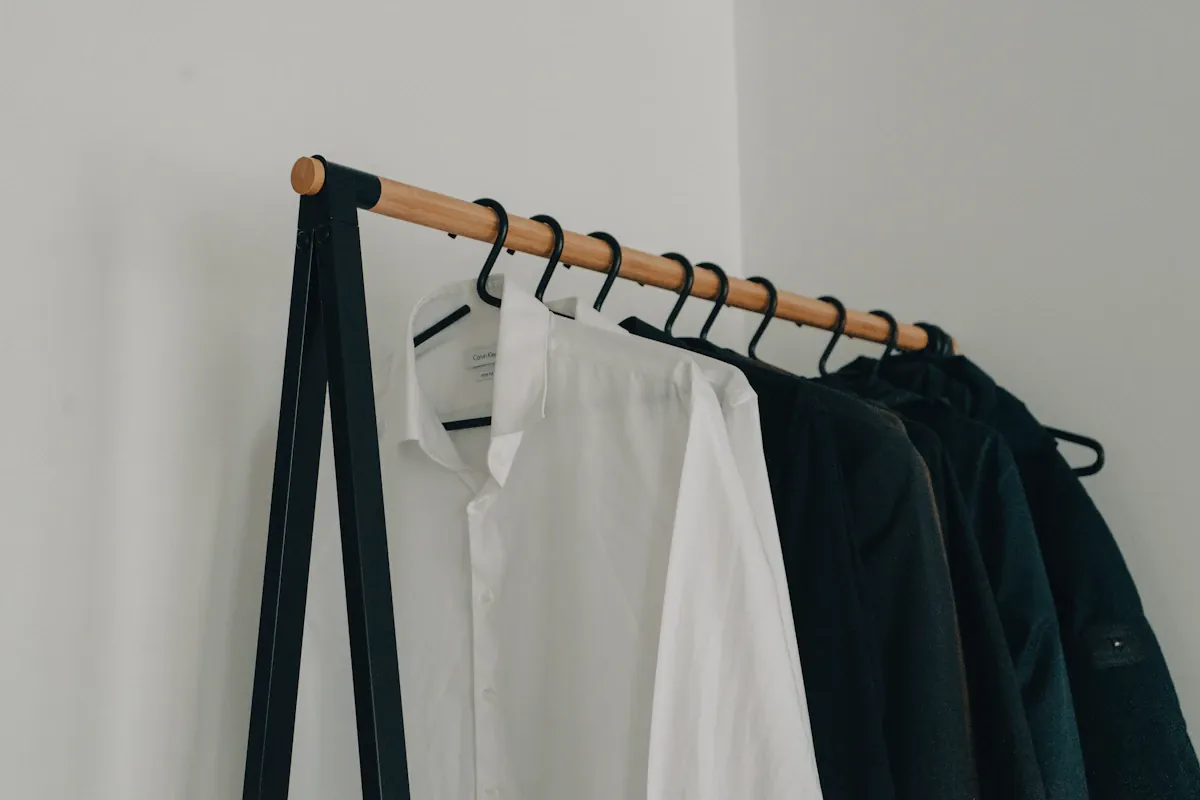
Editorial stock photograph · Source and photographer. Styling illustration; no product endorsement implied.
A light-coloured shirt can appear opaque in a shop and more revealing beside an office window. Fabric weight, weave, fit and the underlayer all affect the result. Before deciding whether a shirt is useful, view it in the conditions where you expect to wear it. This is a practical check, not a rule that every light shirt must look or feel the same.
Use the intended underlayer
Try the shirt with the underlayer you normally find comfortable. Compare colours rather than assuming that a bright white underlayer will disappear beneath a white shirt. The right choice depends on the individual fabrics and your preference for coverage. Check front, side and back without stretching the shirt flat; tension can make a fabric appear more transparent than it does when properly fitted.
Change the lighting, not the whole outfit
Inspect the shirt in ordinary indoor light and in daylight where possible. A home fitting can be helpful if the retailer's return conditions permit it: keep the garment clean, tagged and unwashed until you decide. A photograph can provide another view, but screens and camera exposure alter colour and brightness. Do not treat one phone image as a perfect record of what the fabric looks like in person.
Move before judging the button line
Raise the arms, reach forward and sit. Buttons that gape may indicate that the shirt needs more ease or a different cut, rather than a heavier underlayer. Look at the pocket lining and seams too, because these can remain visible even when general coverage is satisfactory. If the shirt only looks right with arms held still, compare another construction before assuming you must constantly manage it.
Weigh coolness against coverage
A lighter weave may be pleasant in warm conditions, while a more substantial cloth can provide a clearer outline with fewer visible seams. Neither is universally better. If adding a camisole makes the shirt too warm for its intended use, the combination may not solve the original problem. For layering beneath a sweater or jacket, a lighter shirt may still be useful, provided the indoor version works when the outer layer is removed.
Avoid corrective shopping by default
Before buying a new bra, camisole and jacket to make one shirt work, compare it with a better-fitting or differently woven shirt. The whole cost and added maintenance matter. A deliberate sheer layer is another style choice, but it should be chosen knowingly, with comfortable coverage suitable for the setting, rather than discovered after tags are removed.
Is a lined shirt the only reliable option?
No. Plenty of unlined shirts provide the coverage their wearers want. The useful evidence is the actual garment with its real underlayer and normal movement. Once kept, follow the care label, sort washing appropriately and test any stain treatment discreetly. Avoid assuming that every pale fabric tolerates bleach, hot washing or the same ironing temperature.
Related reading
Continue with Five Useful Ways to Wear a White Shirt and Simple Scarf Ideas for Everyday Clothes. These existing guides provide a broader starting point for the related wardrobe, home or planning decision.
Check your wardrobe first, note the gap you want to fill, then compare fabric, fit, care instructions and the retailer’s current return terms.
Explore our retailer directory →