Visible Socks with Everyday Shoes, without the Guesswork
A practical guide to visible socks with everyday shoes, with specific checks, useful tradeoffs, troubleshooting and a manageable care plan for ordinary days.

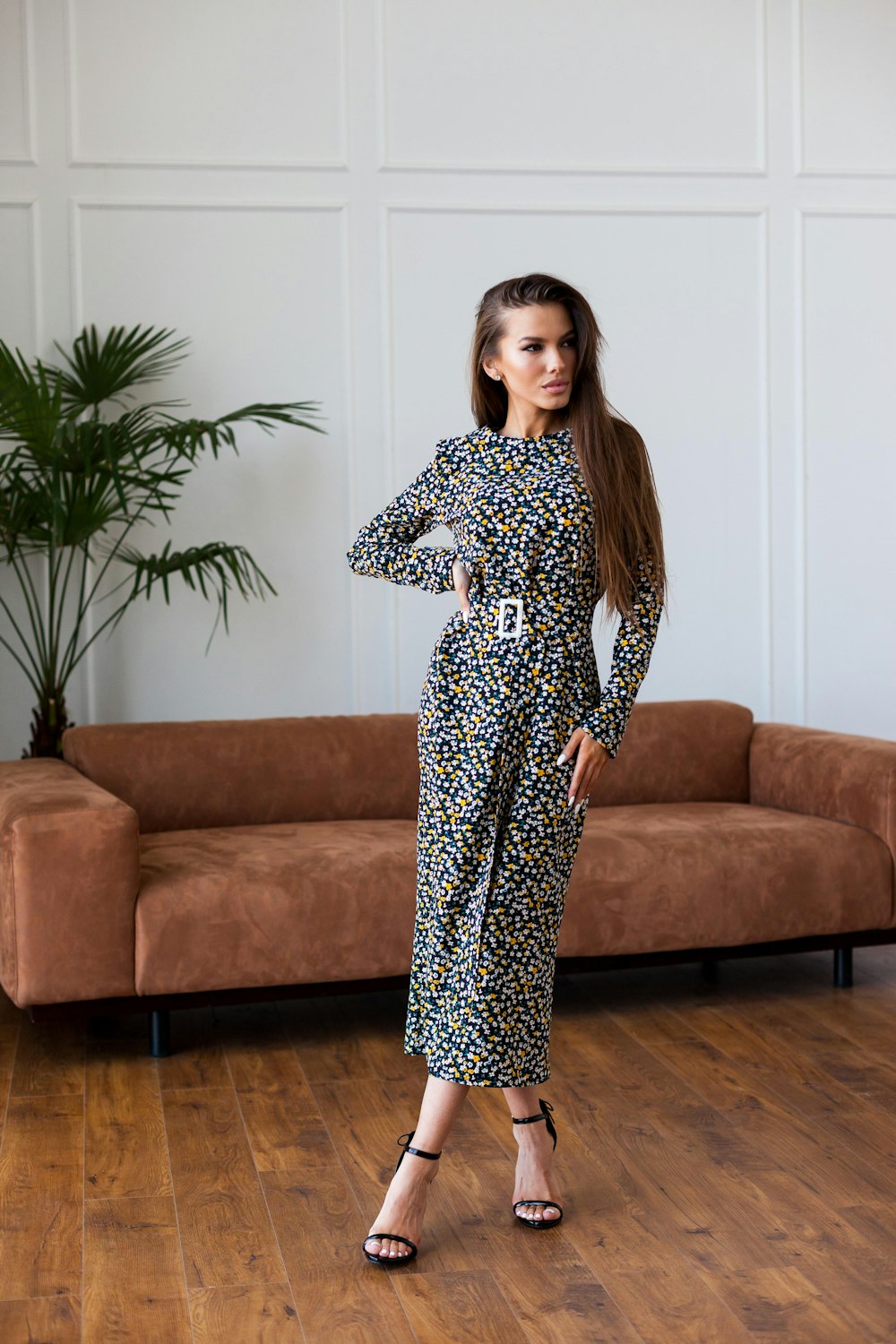
Editorial stock photograph · Source and photographer. Styling illustration; no product endorsement implied.
Visible socks can be a practical part of an outfit rather than an afterthought to hide. They bridge a cropped hem and shoe, add a little colour and make some footwear more comfortable in cooler weather. Start with fit, however. A sock that looks good but crowds the shoe or slips beneath the heel will not earn its place through a walking day.
Choose thickness before colour
Try the shoes with the actual sock weight planned for the season. A fine sock changes the fit less, while a thicker one takes up more internal space. Check toe room and heel hold in both shoes. Do not buy a tighter shoe to stop a loose sock sliding, or assume a thicker sock can correct a badly fitting pair. The shoe and sock need to work as separate items as well as together.
Give the sock a clear visual role
For a quiet starting point, choose a colour related to the trousers or shoes. It does not have to match exactly; a visibly related tone is often easier to use than a near-match. For contrast, repeat a small colour already present in the outfit. Keep the other accessories simple while assessing the effect. You can then decide whether the sock is a connecting detail or the outfit's main accent.
Check the hem in motion
Walk, sit and stand with the full outfit. A sock may show only while seated, or remain visible throughout the day with a cropped trouser. Both can work. What matters is whether the hem falls freely and the sock stays comfortable. If a boot opening or shoe edge catches the trouser, resolve that clearance issue before adding more styling. A narrow turn-up can be tested reversibly if the fabric allows it.
Compare patterns and texture carefully
A ribbed sock adds texture without another print. A pattern can be enjoyable but may compete with patterned trousers or a busy shoe. Try one change at a time rather than assuming that several small details will cancel one another out. View the whole outfit from a normal distance. The goal is a combination you like during ordinary use, not an arrangement that needs explanation.
When the sock slides or bunches
Check its size, heel placement, elasticity and the shape of the shoe. A worn pair may need replacing, while a new pair may simply have an unsuitable cut. If the toe seam presses, try a different construction. Repeated adjustment during a short home trial is a useful sign to change something before committing to a long walk.
Do socks have to match a bag or scarf?
No. One colour connection is enough if you want it, and a plain neutral pair can stand alone. Wash socks according to their fibre labels, keep pairs together and inspect heels for thinning. A small selection of well-fitting pairs is easier to use than a drawer of decorative socks that only work with an imagined outfit.
Related reading
Continue with Choosing Shoes for a Walkable Commute and Choosing an Everyday Handbag by What You Carry. These existing guides provide a broader starting point for the related wardrobe, home or planning decision.
Check your wardrobe first, note the gap you want to fill, then compare fabric, fit, care instructions and the retailer’s current return terms.
Explore our retailer directory →