A Knitted Vest That Layers Comfortably over Shirts
A practical guide to a knitted vest, with specific checks, useful tradeoffs, troubleshooting and a manageable care plan for ordinary days using the things you already own.

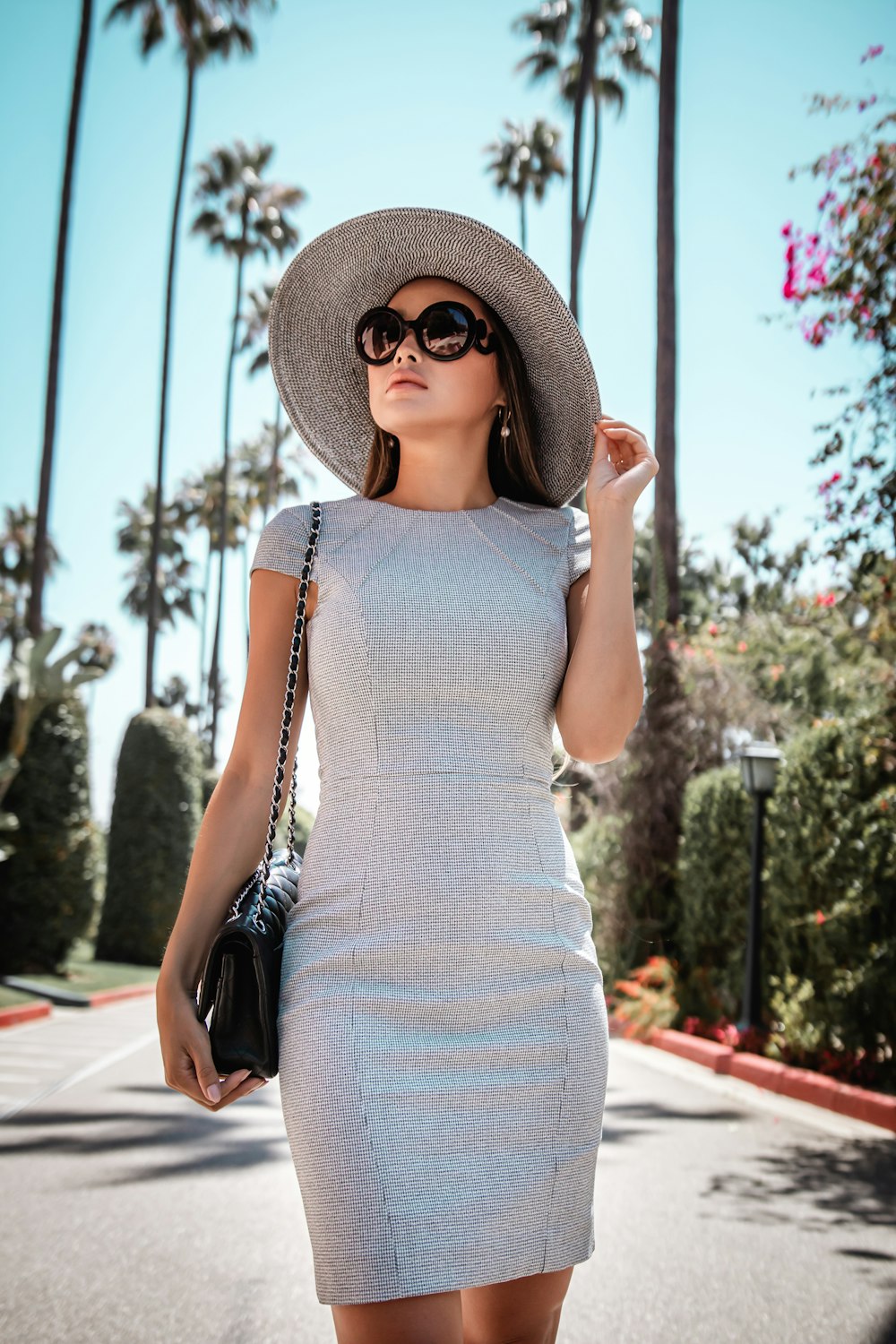
Editorial stock photograph · Source and photographer. Styling illustration; no product endorsement implied.
A knitted vest offers warmth around the body without another full sleeve inside a coat. It can also make a familiar shirt feel like a different outfit. Its usefulness depends on the armhole, neckline and length working with the shirt beneath it. Start with a shirt you already enjoy wearing; a vest should add a layer, rather than turn a comfortable garment into something that bunches under the arms.
Test the armholes first
Put the shirt on normally, then add the vest without pulling the fabric tightly down. Raise your arms, reach forward and sit. The vest should leave enough space for the shirt sleeve and its shoulder seam. If fabric gathers at the underarm, try a shirt with a narrower sleeve or less volume before sizing up the vest. Increasing the whole vest may create a loose neckline without fixing the interaction.
Let the neckline have a clear job
A V-neck can frame a shirt collar and show more of the layer underneath. A higher neckline gives a quieter block of knit but may need a softer or smaller collar. Compare the shirt's top button open and closed, choosing the version that feels comfortable at the throat. There is no requirement for the collar to sit outside the vest. Check how it behaves when you turn your head, rather than arranging it once for the mirror.
Decide what happens at the waist
A shorter vest can end near a higher trouser waistband, while a longer vest gives more coverage and a straighter outline. Try it untucked first. Tucking a substantial knit can create an uncomfortable lump and obscure the trouser fit. If the shirt shows below the vest, make that length clear enough to look deliberate and check the back while seated. A narrow accidental strip may be less useful than either a visible shirt hem or a fully contained one.
Add the outer layer before buying
Wear the vest and shirt under the coat used most often. The missing knit sleeve does not guarantee an easy fit: a thick body or high neckline can still crowd the coat. Fasten it, move your arms and check shoulder comfort with the usual bag. A fine vest may work as a middle layer; a chunkier one may be better as the visible final layer on a mild day.
Keep the first colour combination simple
Use a shirt and vest that already connect with your trousers. A plain shirt makes texture easier to judge, while a stripe can add interest once the shape works. Avoid buying several matching pieces to justify a vest that has no clear partner in the wardrobe. Two workable shirt combinations are a more useful starting point than a whole imagined capsule.
What if the shirt constantly needs pulling down?
Check the sleeve volume, vest armhole and contact between the fabrics. Try a smoother shirt or a roomier armhole. If the problem remains during a short home trial, that pairing may simply be unsuitable. Fold the vest for storage as its label advises and keep heavy knitwear off narrow hangers.
Related reading
Continue with A Capsule Wardrobe Built Around Your Actual Week and Autumn Layering Without the Bulk. These existing guides provide a broader starting point for the related wardrobe, home or planning decision.
Check your wardrobe first, note the gap you want to fill, then compare fabric, fit, care instructions and the retailer’s current return terms.
Explore our retailer directory →