Choosing Trouser Rise for Sitting as Well as Standing
A practical guide to trouser rise, with specific checks, useful tradeoffs, troubleshooting and a manageable care plan for ordinary days using the things you already own.
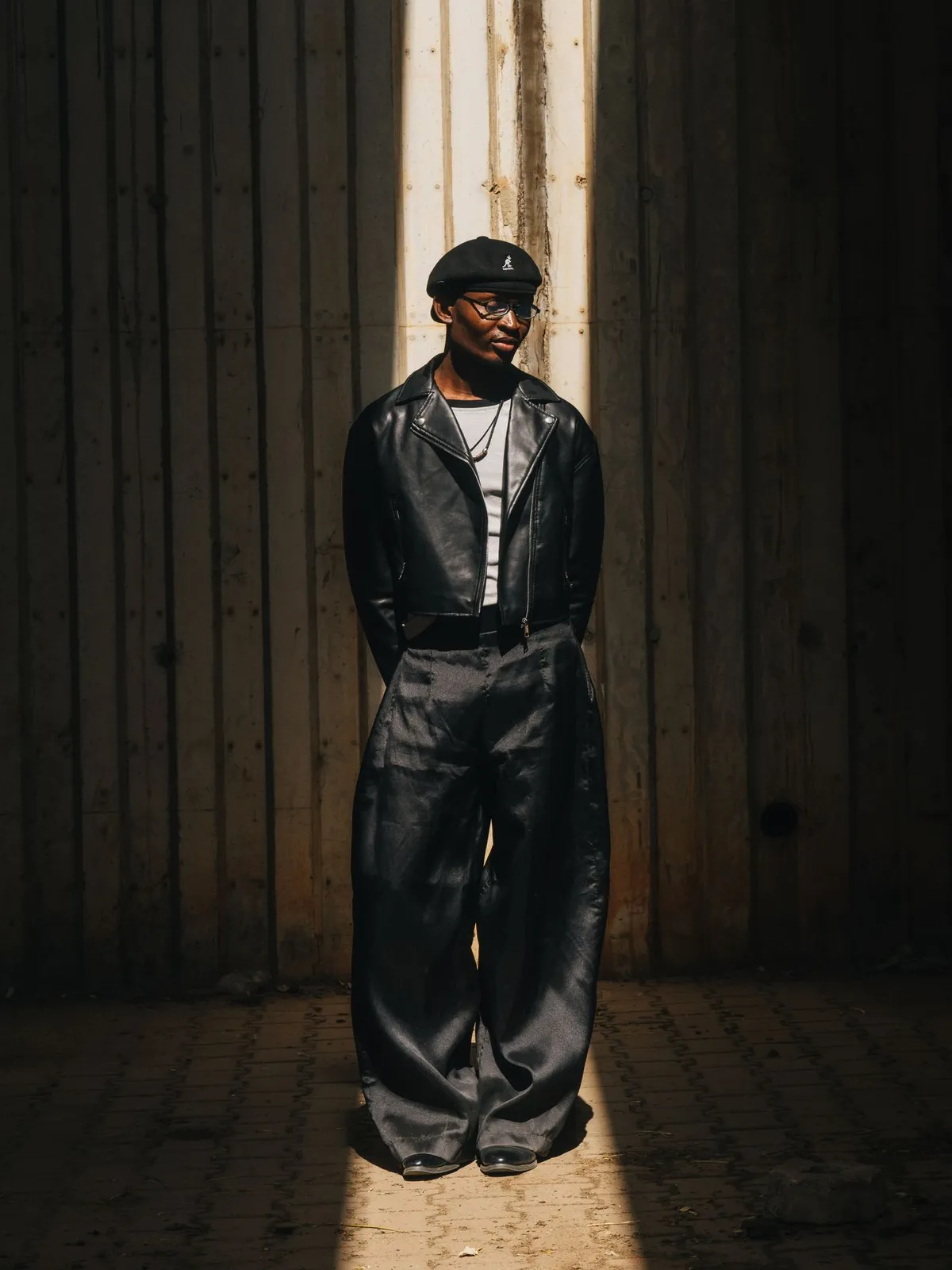
Editorial stock photograph · Source and photographer. Styling illustration; no product endorsement implied.
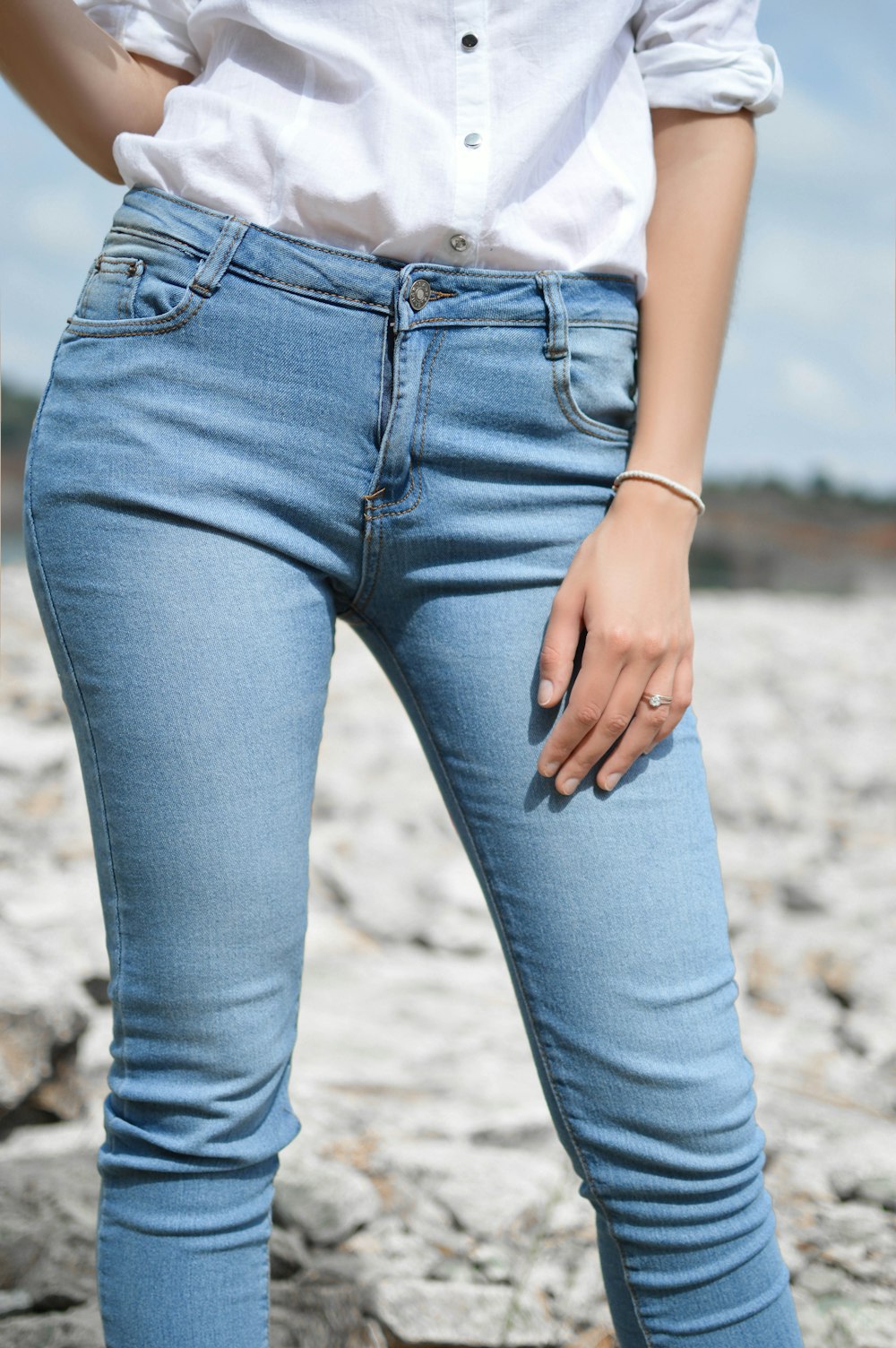
The rise of a pair of trousers changes where the waistband rests and how the fabric moves through the seat. Labels such as high-rise and mid-rise can help narrow a search, but they do not describe your torso or guarantee comfort. When trousers are intended for a desk-based day, the seated fit deserves as much attention as the standing outline.
Find the natural resting point
Fasten the trousers without pulling them to a position the cut resists. Check whether the waistband settles where it feels comfortable, then walk and sit. If you continually tug it upward, the rise or shape may not suit the way you want to wear the pair. If the waistband presses beneath the ribs while seated, compare a different rise instead of assuming a larger waist is the only solution.
Separate waist, hip and crotch fit
A waistband can be loose while the hips fit, or comfortable at the waist while the crotch feels restrictive. These are different problems. Check the front and back for pulling, and make a normal forward reach from a chair. Avoid diagnosing every wrinkle as a size issue. Fabric, construction and cut all affect the result, so compare another shape before cycling through many sizes of the same pair.
Try the tops you actually wear
A higher rise gives a clear place to tuck a shirt or shorter knit. A lower rise may sit more naturally beneath an untucked top. Neither requires a particular body type or age. Try the complete outfit and inspect the back when seated. The useful question is whether you have enough comfortable coverage and whether the top's length still works as you move, not whether the waistband meets a trend's preferred height.
Check the belt separately
A belt should not be needed to hold an otherwise badly fitting pair in the right place. Put on the intended belt and sit again. A bulky buckle can add pressure even when the trousers alone feel fine. If the waist gaps but the rest fits well, ask a competent alterations specialist whether the waistband can be adjusted and what that would involve. The answer depends on construction, pockets and available seam allowance.
What if a stretch pair feels comfortable at first?
Stay seated for a short while and move again. Stretch can ease movement, but it does not guarantee that the fabric recovers its shape or that the rise suits you. Check the knees and seat after the trial. Keep any home fitting within the retailer's return conditions, with tags intact and the garment clean until you decide.
Is a higher rise always better for a tucked top?
It often gives the tuck an anchor, but the best choice is the pair that lets you sit and move comfortably. A softer tuck or an untucked fine top may work with a different rise. Record the measurements of a pair that works, using them as a comparison rather than a promise that every similar-looking trouser will fit identically.
Related reading
Continue with How to Wear Wide-Leg Trousers on an Ordinary Day and Autumn Layering Without the Bulk. These existing guides provide a broader starting point for the related wardrobe, home or planning decision.
Check your wardrobe first, note the gap you want to fill, then compare fabric, fit, care instructions and the retailer’s current return terms.
Explore our retailer directory →