A Clothing Measurement Note with Its Method Clear
Keep a clothing measurement note tied to the actual garment and its method, preserving context instead of saving an isolated number that appears more conclusive than it is.

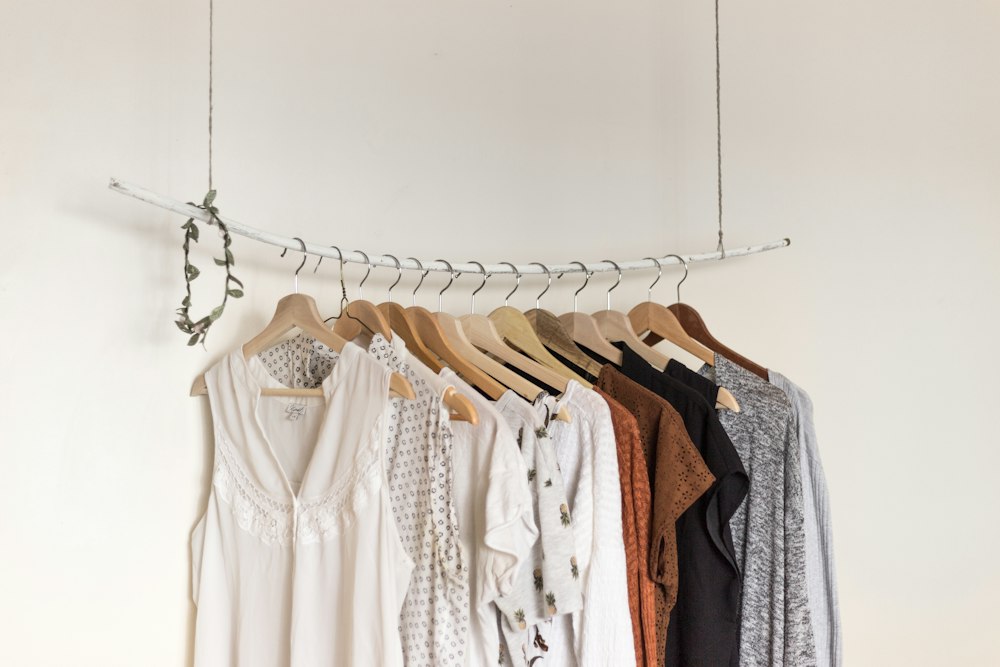
Editorial stock photograph · Source and photographer. Styling illustration; no product endorsement implied.
A clothing measurement written in a phone note can lose its meaning quickly. You may remember a sleeve number without knowing which garment, edge or method produced it. Preserve that context before using the note in another wardrobe decision. A useful reference is not simply a number; it identifies the actual piece, what was measured and the limits of the comparison.
Name the real garment
Record the precise identity where known, with enough detail to distinguish similar belongings. A maker and product name can help, while an ordinary descriptive feature may support an incomplete older reference. Keep known information separate from guesses about material or version.
Read relevant garment guidance before handling it for a measurement. Do not stretch, pin or reshape a delicate item merely to obtain a cleaner-looking figure. If a relevant method is unfamiliar, seek appropriate information instead of inventing a standard.
Preserve the stated method
If using a seller’s or maker’s measurement, retain the explanation of how it was taken. A circumference, flat width and labelled size are different kinds of information. Keep the supplied context rather than copying only the number into a comparison table.
For your own reference, describe the actual start and end points and any relevant arrangement. A note naming a stated seam and cuff edge is clearer than “sleeve, 60” with no unit or method. Do not present a casual reference as a technical fit guarantee.
Keep units and scope clear
Record the unit actually used and avoid an unexplained conversion. A precise-looking figure can create confidence without improving the underlying comparison. Keep the level of detail proportionate to the wardrobe question you genuinely need to answer.
One measurement does not describe the complete garment or how it will feel in ordinary use. Preserve other relevant product information separately. A familiar jacket and a different sweater can share one number while having different construction and intended roles.
Compare like information thoughtfully
Read both methods before comparing two references. If the methods differ or are unclear, retain that limitation rather than treating the numbers as directly interchangeable. A specific seller enquiry may be more useful than forcing a conclusion from incomplete information.
Keep personal preference and fit questions with the actual garment review where appropriate. A measurement can support a decision without replacing ordinary comfort, movement or the product’s guidance. Avoid allowing one convenient figure to outweigh every other consideration.
Update the reference honestly
If a garment changes or a more accurate method becomes available, preserve the relevant context when revising the note. Do not silently substitute a current product listing for the item you actually measured. Mark a historical entry appropriately if ownership changes.
A clear measurement note supports memory while respecting its limits. It keeps identity, units and method connected, making a wardrobe comparison easier to assess without turning an isolated number into evidence it was never capable of providing.
Related reading
The Denim Fit Checklist That Goes Beyond Size, A Fitting-Room Routine for Clothes You Will Actually Wear.
Check your wardrobe first, note the gap you want to fill, then compare fabric, fit, care instructions and the retailer’s current return terms.
Explore our retailer directory →