A Pink Dress with Room for the Intended Sleeve Layer
Try a pink dress’s sleeves within one intended outer layer, checking shoulders, cuffs and an indoor transition before deciding that the outfit needs a new coordinated jacket.

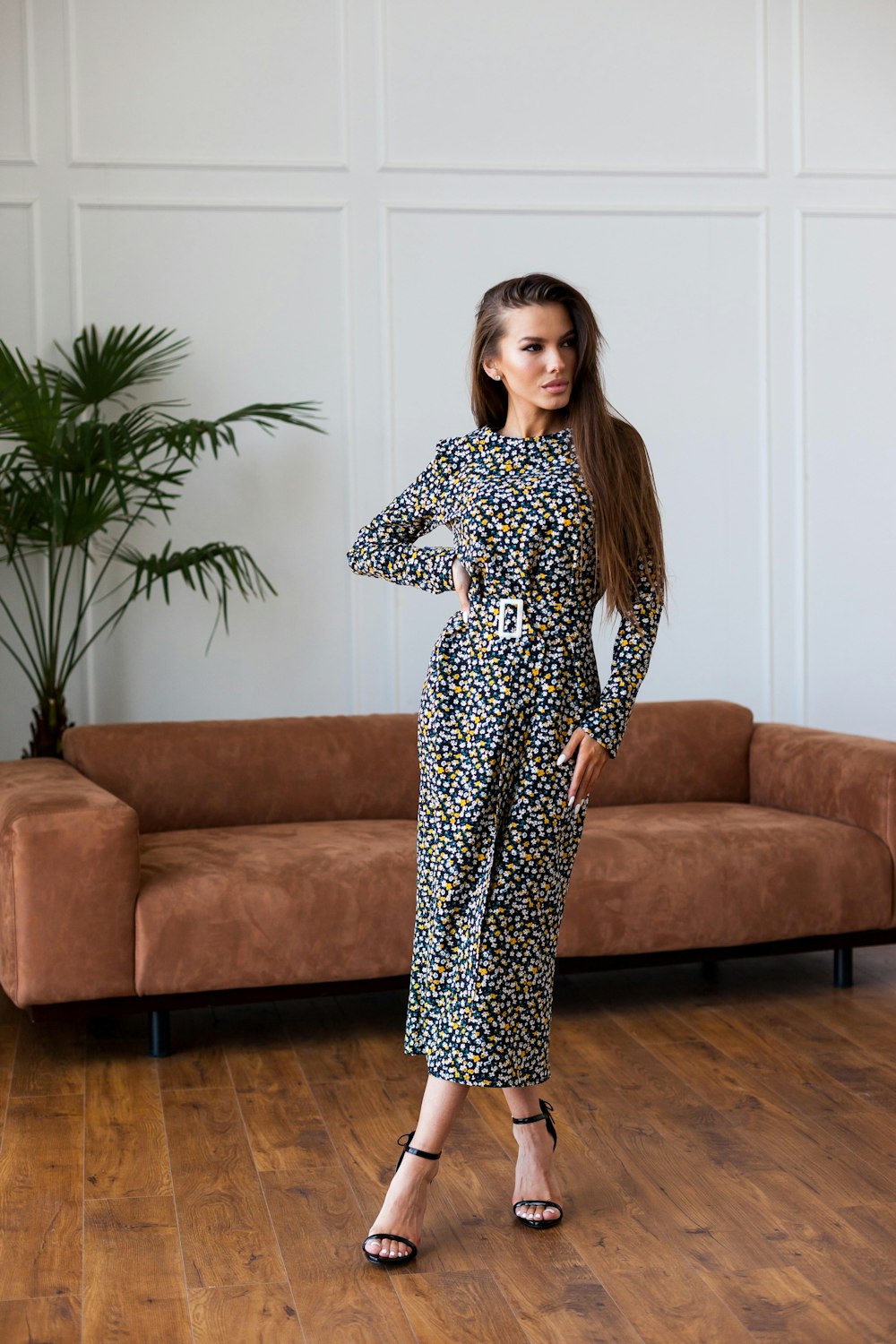
Editorial stock photograph · Source and photographer. Styling illustration; no product endorsement implied.
A pink dress may seem easy to coordinate by colour while its sleeves create the more important layering question. A fuller sleeve, an edge detail or the actual shoulder arrangement can change how an outer garment sits. Start with one familiar suitable layer and review the construction. The useful pairing supports the real outfit rather than a colour match that works only while standing still.
Look at the dress sleeve first
Read the dress's relevant product information and observe its actual sleeve shape without compressing it. A floral image can show a visible puff or edge while leaving hidden construction unknown. Keep a material claim with the written information rather than the pattern.
Put the dress on in its intended arrangement with familiar suitable shoes. Review ordinary readiness and comfortable movement in a suitable space. A jacket should join a base outfit you have considered independently, not conceal an unresolved fit or closure question.
Add the layer gently
Choose an existing outer garment appropriate to the planned activity. Put it on without forcing dress fabric through a tight opening. Notice where each shoulder and sleeve sits before adjusting the neckline or concentrating on the colour.
If the combination immediately feels awkward, pause rather than repeatedly pushing the same area into place. Another familiar layer with a different opening can offer a clearer comparison. The dress does not need every jacket in the wardrobe to fit around it.
Compare the openings and edges
Look at any dress sleeve that remains visible beside the outer cuff. Decide whether you like that arrangement and whether it remains manageable. A short visible detail can be a personal preference without becoming a universal formula for floral dresses.
Review the layer in the open or supported closed position you intend to use. A fastening held in place for a mirror view does not establish a useful all-day arrangement. Keep each garment's intended construction in the decision.
Include ordinary transitions
Sit and stand gently in a comfortable space, then remove the layer as you expect to do indoors. Check whether the dress sleeves return to an understandable position with a modest dressing adjustment or become a repeated distraction.
Add the intended bag with ordinary contents within guidance. A strap may occupy the same shoulder area that appeared clear before carrying belongings. Review the complete group rather than deciding about sleeves in an empty outfit.
Keep a useful colour choice last
Once the construction relationship is workable, look at the actual colours together in suitable light. A familiar neutral layer may serve the dress without matching a shade from the print. Another colour can also suit your preference without creating a requirement for coordinated purchases.
Record the actual dress and layer if they helped, then follow their appropriate care and storage. A sleeve-led review gives the pink dress a realistic outerwear option by considering movement and transitions before allowing an appealing colour match to settle the practical decision.
Related reading
Give a Dark Dress One Real Repeat-Wearing Role, Jacket Sleeves: Check the Reach before Shortening.
Check your wardrobe first, note the gap you want to fill, then compare fabric, fit, care instructions and the retailer’s current return terms.
Explore our retailer directory →