A Clothing Rail with Unfinished Tasks Identified
Keep unfinished clothing tasks identified on a shared rail, linking each note to the actual garment without treating a neat hanging arrangement as proof that the work is complete.
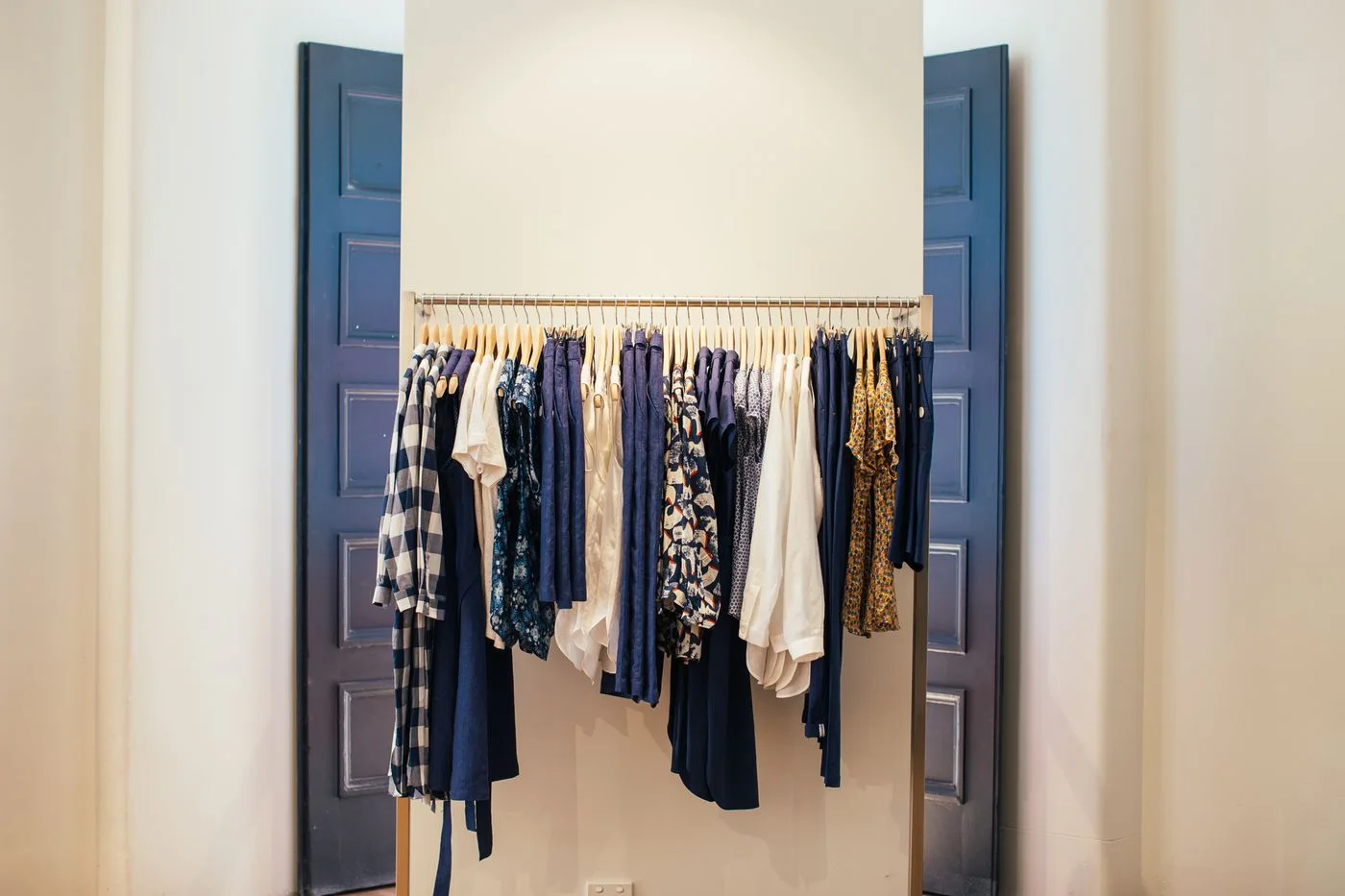
Editorial stock photograph · Source and photographer. Styling illustration; no product endorsement implied.
A clothing rail can look organised while every garment hanging there has a different unfinished task. A shirt may need an identity check, a jacket may await advice and another piece may simply belong elsewhere. Give those tasks accurate notes before the rail becomes a second wardrobe of unresolved decisions. A tidy display should not imply that the clothing is ready for ordinary use.
Identify the real task
Review one garment at a time through appropriate handling and available product information. Describe what you genuinely know. “Confirm the care label wording” is clearer than a broad instruction to “fix this,” which leaves the problem and next action hidden.
Keep a condition observation separate from a proposed solution. A visible loose fastening does not automatically establish how it should be repaired. Seek appropriate advice for unfamiliar construction instead of promising an alteration solely to make the rail’s task list look complete.
Connect the note to the garment
Choose a method that preserves identity without modifying or marking clothing contrary to its guidance. A private inventory record or another suitable reference may be more appropriate than attaching something directly to a delicate piece.
Use enough detail to distinguish similar garments. A colour alone may be insufficient when several shirts share the same pale shade. Keep the actual product identity where available and avoid assigning a maker or material from appearance.
Separate ready items from unresolved work
Give clothing with completed tasks its appropriate next place rather than leaving it indefinitely among unfinished pieces. The rail should not require everyone to remember which invisible status applies to each hanger.
Read relevant guidance for storage and fixtures. A temporary task area still needs to suit the actual garments. Do not force every piece onto the same hanging arrangement merely because the group has been labelled as unfinished work.
Make handovers understandable
If another person helps, explain the particular task and what decision remains open. A note should support that conversation rather than replace all context. Keep purchase or product information accessible where it genuinely helps.
Avoid vague shared responsibility. Agree on an actual next step appropriate to the situation without inventing deadlines or assigning work to somebody who has not accepted it. A modest pause with clear ownership can be more honest than a detailed plan nobody understands.
Review without manufacturing urgency
Return to the unresolved group when you can make an appropriate decision. Some items may need clarification, while another may no longer have a useful wardrobe role. Keep those outcomes distinct from a hurried requirement to empty the rail at any cost.
Remove or update a note when its task changes so an old instruction does not continue governing the garment. A clear rail-task arrangement preserves identity, uncertainty and real next steps. It supports a considered wardrobe without letting neat hangers or decorative labels pretend that unfinished work has already been completed.
Related reading
When a Small Trouser Alteration Is Worth Considering, A Closet Edit Without the Rush to Throw Things Away.
Check your wardrobe first, note the gap you want to fill, then compare fabric, fit, care instructions and the retailer’s current return terms.
Explore our retailer directory →