Keep a Shirt Colour Name Attached to Its Candidate
Keep a shirt’s colour name with the selected candidate, connecting its exact option and intended wardrobe role before similar product photographs merge into one remembered shade.

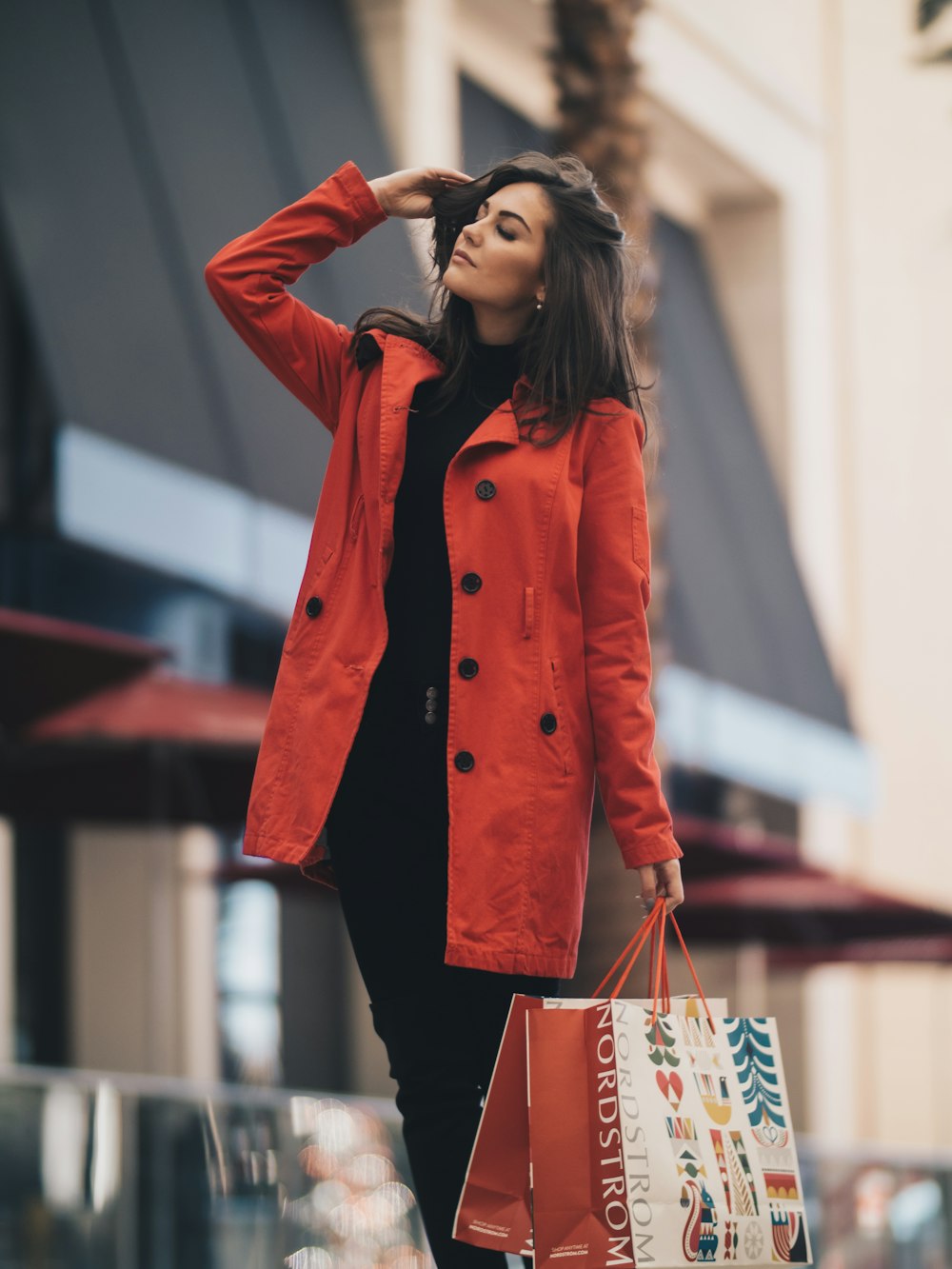
Editorial stock photograph · Source and photographer. Styling illustration; no product endorsement implied.
A shirt shortlist can contain several appealing pale or bright options whose names become difficult to distinguish later. One seller uses a seasonal label, another uses a familiar colour word, and a saved photograph no longer shows which option was selected. Keep the product's own colour name attached to the candidate from the beginning. That small record lets appearance guide interest without asking memory to identify the item at the point of purchase.
Preserve the name the seller actually uses
Record the selected colour alongside the product title and any stated identifier. Keep spelling and qualifiers intact where they distinguish the version. Do not replace an unfamiliar label with a more familiar shade and then assume the two mean exactly the same thing.
If the page has several options, confirm which one is active. A gallery can include photographs of other colours, so a pleasing image should not silently redefine the selection. Connect the candidate to its own available details.
Add a separate wardrobe-role note
Write why the colour is being considered in plain words. It might supply a quiet shirt beneath a dark jacket or a stronger upper area beside familiar jeans. This note describes the intended job, while the seller's name identifies the actual option.
Keep the two descriptions distinct. Calling a candidate a useful pale layer does not establish its exact shade, material or similarity to another shirt already owned. Those questions need the actual product information and a realistic comparison.
Compare with one owned partner
Choose the garment the shirt is most likely to accompany. Look at its visible colour area and normal shape, rather than a tiny isolated swatch. A whole shirt beside wide trousers has a different relationship from the same colours represented by two small squares.
Use an existing suitable outfit as the starting point. If the candidate would require several additional purchases to make its colour useful, record that consequence. It changes the decision from one shirt option to a broader wardrobe project.
Revisit the selection before ordering
Save the relevant link with the written colour name. Some links reopen a general product page rather than preserving every selected option. The separate note prevents a later visit from appearing to confirm a choice that has actually changed.
Before completing an order, read the current selection again. Keep the stated version, size and relevant terms together. A remembered photograph from an earlier browsing session is a useful prompt, not proof of what the active purchase now contains.
Remove rejected candidates from the working shortlist or mark them clearly as finished decisions. The final note should make the chosen shirt easy to identify without requiring a search through nearly identical pictures. A precise product reference and a simple wardrobe purpose can coexist, giving the colour both an identity and a reason to belong.
Related reading
Give Similar Garment Candidates Different Reasons to Stay, Five Useful Ways to Wear a White Shirt.
Check your wardrobe first, note the gap you want to fill, then compare fabric, fit, care instructions and the retailer’s current return terms.
Explore our retailer directory →