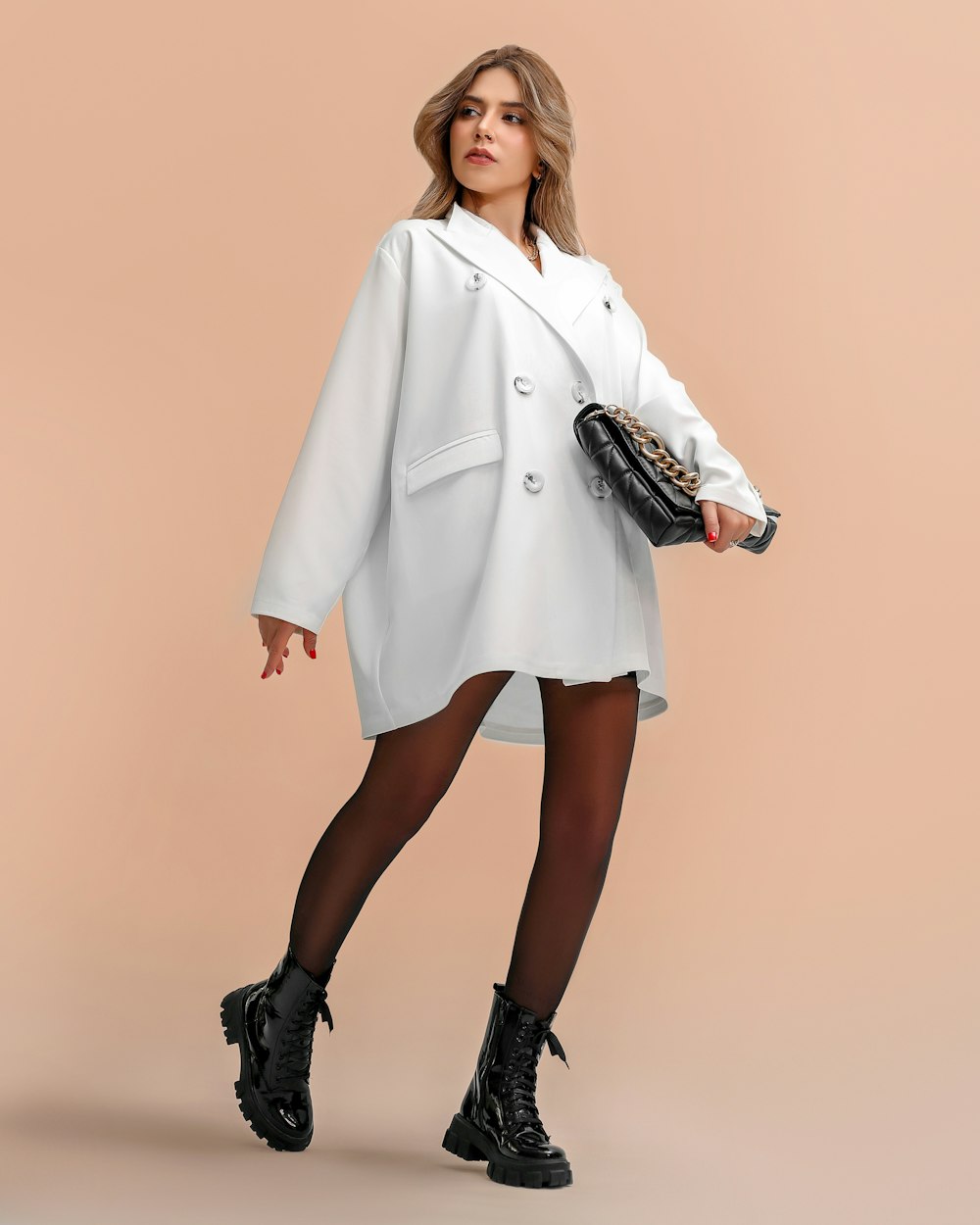
Keep a Shirt Wearing Reference with the Right Outfit
Keep a shirt wearing reference tied to the actual garment and outfit arrangement, preserving useful context without letting a saved image become a universal styling instruction.
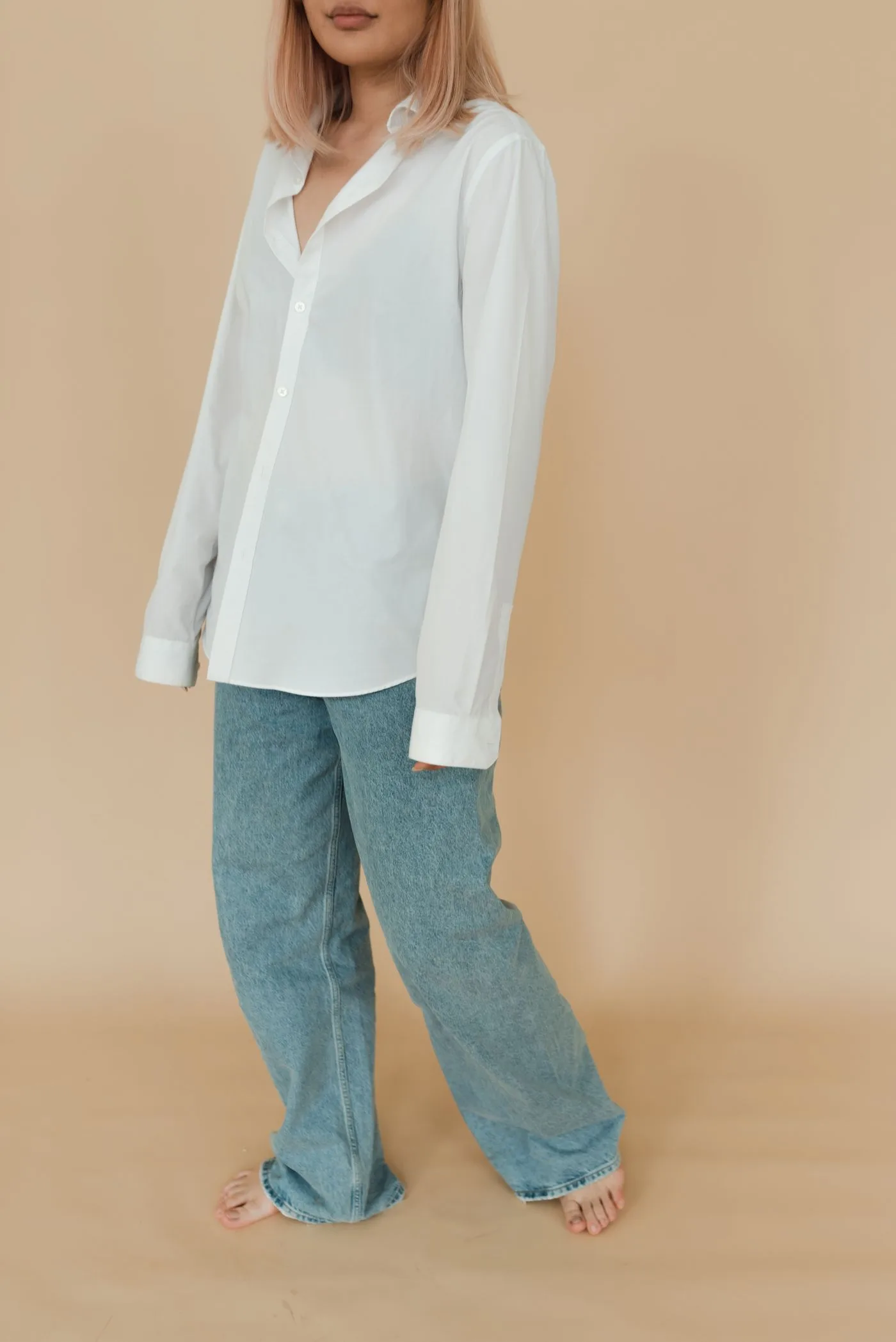
Editorial stock photograph · Source and photographer. Styling illustration; no product endorsement implied.
A shirt can appear in several saved outfit photographs while the useful detail becomes difficult to recover. Was the reference about its collar, the lower edge or the way it worked with a familiar pair of trousers? Keep that purpose beside the actual garment identity. A clear wearing note supports memory without asking one photograph to become a complete instruction for every shirt in the wardrobe.
Identify the real piece
Read available product information and preserve the precise identity where useful. A pale shirt description may not distinguish several similar garments. Keep a relevant variant or recognisable detail with the note without inventing a material from appearance.
If information is incomplete, retain the known facts and the gap separately. An accurate wardrobe reference can still be useful without a full product history. Do not assign details from a similar current listing merely to make the record look complete.
Name the wearing arrangement
Describe the actual intended opening and lower-edge position that mattered to you. Keep the wording specific to this garment and outfit. A permitted tuck or open collar can be a personal preference rather than a general rule for all shirts.
Follow relevant product guidance when trying the arrangement again. A saved image should not encourage forcing a closure or reshaping a feature outside its intended construction. The actual clothing needs to remain central to the decision.
Include the companion garments
Name the familiar trousers, skirt or layer that made the reference useful. The shirt alone may not explain the relationship you wanted to repeat. Keep accessories tied to real roles rather than adding every visible object to a future shopping list.
Review the complete outfit in a suitable space with gentle ordinary movement. A still image records one position and cannot establish all-day comfort or current readiness. Preserve unfinished care or another task with the actual garment.
Keep photographic limits clear
Lighting and screens can influence colour and surface appearance. Treat the image as a recognition aid rather than a precise product specification. Written identity and relevant instructions should remain accessible separately.
Check the private frame for unrelated personal information before saving or sharing it. The useful audience may consist only of you. A wardrobe reference does not need to become public content to justify the effort of making it clear.
Review the note when life changes
Update an active entry when the garment leaves your belongings or its role changes. Keep historical inspiration only where it serves a clear purpose and does not imply current availability. Remove unexplained duplicates that no longer answer a different question.
A useful shirt wearing reference remains modest: a real garment, a specific arrangement and companion pieces that genuinely mattered. It makes an existing option easier to repeat while respecting the limits of the image and leaving room for personal preference to change.
Related reading
Five Useful Ways to Wear a White Shirt, A Capsule Wardrobe Built Around Your Actual Week.
Check your wardrobe first, note the gap you want to fill, then compare fabric, fit, care instructions and the retailer’s current return terms.
Explore our retailer directory →