The Summer Dress Checklist for Everyday Wear
Choose a dress for walking, sitting and repeating through the season.
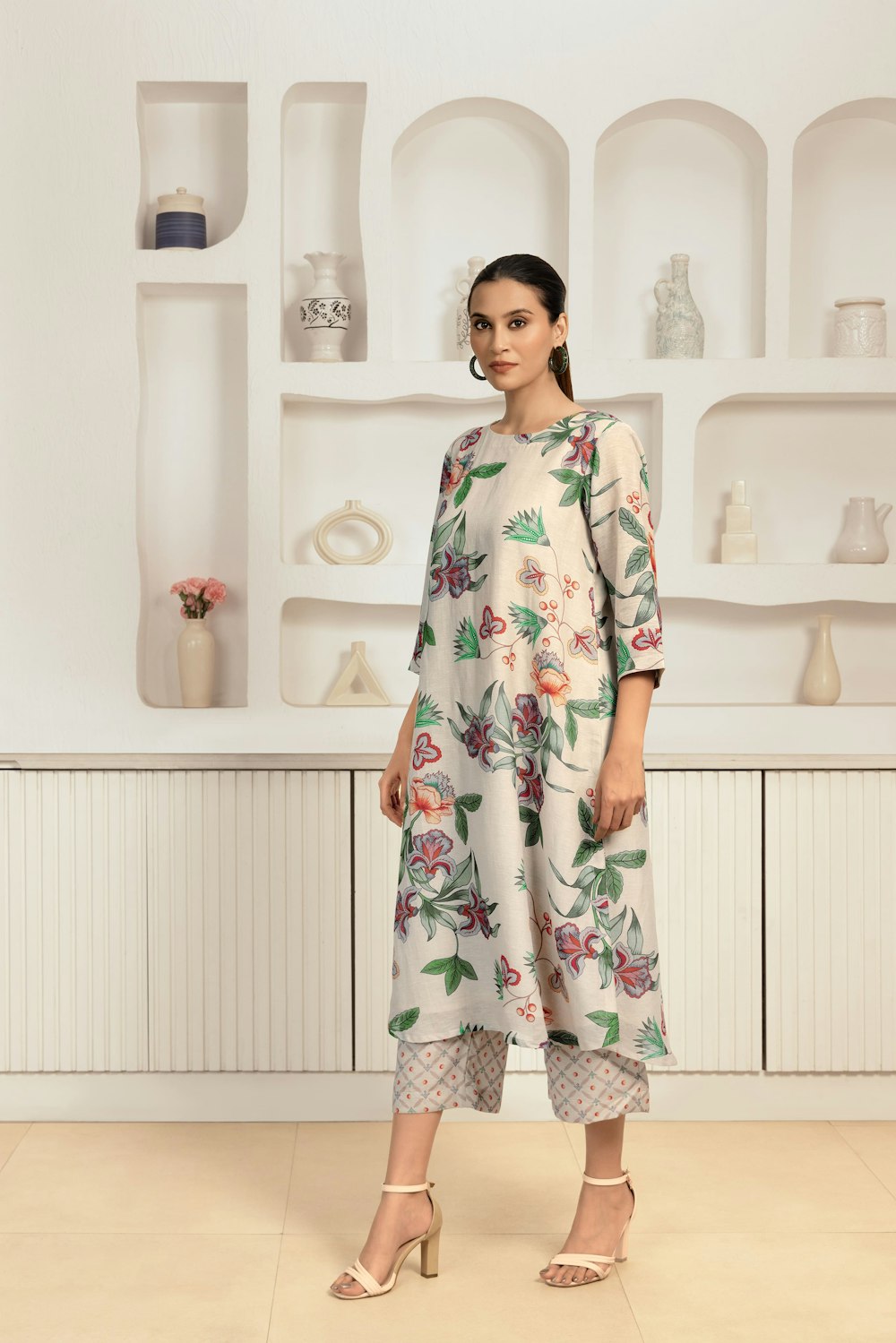
Editorial stock photograph · Source and photographer. Styling illustration; no product endorsement implied.
A summer dress looks like the easiest outfit, yet small construction details decide whether that is true. Imagine groceries, public transport and an outdoor lunch. Consider coverage, footwear and pockets. These scenarios turn a vague search for a pretty dress into clear requirements. Begin with the life it must support, then enjoy the color and pattern. You can still choose something expressive while being realistic about its job.
A formula worth trying
Sit, reach overhead and take a long step. Check whether the neckline shifts, straps slip or hem rides up in a way you dislike. Adjustable straps help some issues but do not solve every fit problem. A fixed waist can feel polished; elastic or a looser shape may provide flexibility. Choose what remains comfortable through a meal rather than judging only a standing mirror pose.
Check the practical details
Examine the material in natural light when possible. Pale colors and lightweight weaves can look more transparent outside than indoors. Think through underwear or a slip and whether added layers suit the heat. Check scratchy seams and restrictive linings. The dress should not depend on a collection of complicated fixes before you can wear it confidently for errands or a relaxed outing with friends.
What to consider before buying
Build two complete formulas: dress, flat sandals and tote for daytime; dress, light jacket and smaller bag for dinner. If it works only with shoes you cannot walk in, it may miss its purpose. Print can reduce the need for accessories; solid color gives jewelry more room. Choose the styling approach making mornings easier, rather than assuming one choice is automatically more sophisticated or age appropriate.
Make it work for your week
Read the care label, inspect closures and ask whether it duplicates something you own. Include alterations when straps or hems need changing. A low price does not help when the maintenance discourages wear, and a higher price does not guarantee comfort. Preserve return eligibility while trying the dress at home with your own shoes and layers. Consider the back view and seated fit before deciding it is ready for your routine.
One final practical check
Walk through a doorway, sit and pick something up while wearing the dress at home. Notice whether the skirt or straps need repeated adjustment. If pockets are present, test them with only the items you would actually carry. A pocket that distorts the silhouette may be better left lightly used.
The at-home check
Before deciding, put the complete outfit together at home. Include your outside layer, usual bag and shoes needed for the journey. Check front, side and back, then sit and walk. Notice what requires repeated adjustment. A small change in length, fastening or fabric can solve more than another accessory. The practical goal behind the summer dress checklist for everyday wear is a useful result for your own life, so assess the situations described rather than one idealized image. Give the combination a realistic trial while preserving any return conditions.
A considered shopping checklist
When shopping is part of the solution, write down the gap before opening a retailer page. Compare suitable options for fit, care and return terms. Set a comfortable limit including delivery and alterations. A sale deadline is not a substitute for a clear reason to buy. Keep tags and packaging while trying the item with existing clothes, following the retailer policy. Read material descriptions without assuming they guarantee comfort. A purchase earns its place when it supports combinations you can repeat, fits the maintenance you can manage and leaves your other priorities intact.
Frequently asked questions
Can one dress work for errands and dinner?
Often, depending on the venue. Change the outer layer and accessories while keeping shoes appropriate for the journey and checking any dress requirements.
Do I need to buy something new?
Try the idea with what you own first. Identify the exact point that fails, such as an uncomfortable fit or unsuitable layer. An alteration, repair or different pairing may be enough. Give existing pieces a fair chance before turning an outfit question into a shopping list.
Keep reading
Explore Choosing an Everyday Handbag by What You Carry and A More Thoughtful Budget for Clothes Shopping for another practical perspective. Adapt the suggestions to your wardrobe, climate and calendar.
Check your wardrobe first, note the gap you want to fill, then compare fabric, fit, care instructions and the retailer’s current return terms.
Explore our retailer directory →