A Travel Bag Handover with Ownership Clear
Keep ownership clear during a travel bag handover, identifying the actual bag, intended carrying method and belongings role instead of passing an unexplained shared bundle.
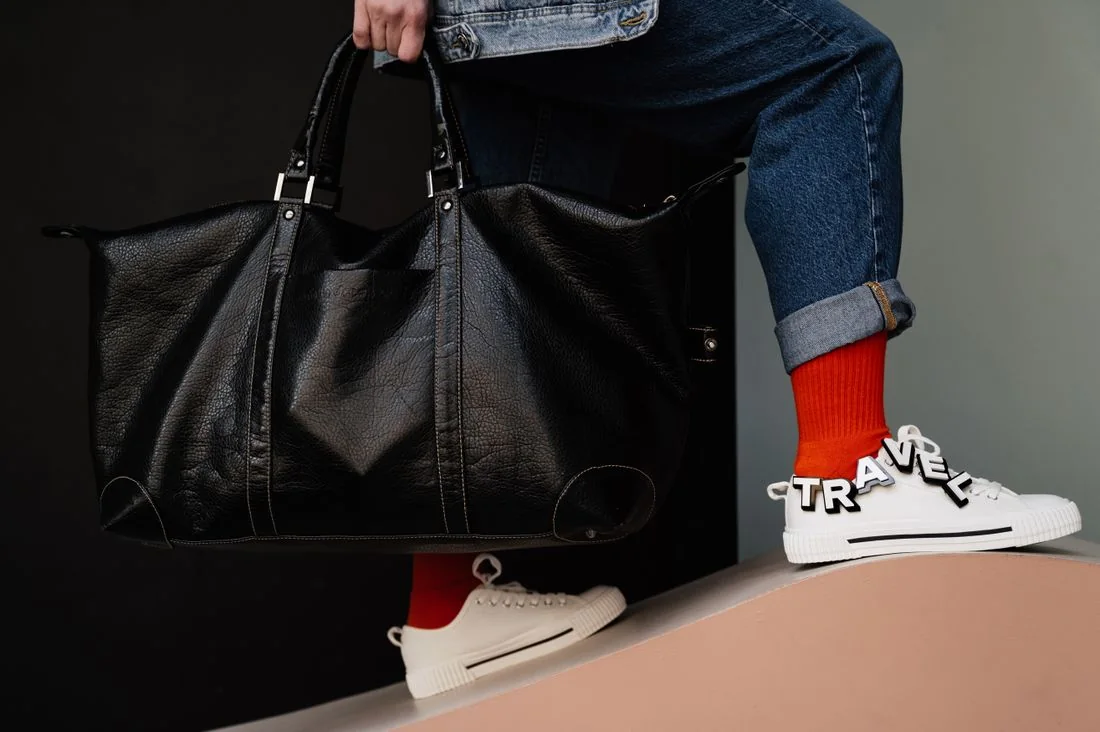
Editorial stock photograph · Source and photographer. Styling illustration; no product endorsement implied.
A travel bag can change hands several times during a journey while its ownership and contents become less obvious. A companion may hold it briefly without knowing whether it contains shared belongings or a particular person’s items. Make the handover clear with the actual bag. A simple explanation can support ordinary travel without an elaborate inventory or assumptions based on who last carried it.
Identify the real object
Read the bag’s relevant product guidance and keep its intended handles or strap clear. A decorative loop should not become a carrying point because it is nearest the person receiving the bag. Preserve included component identity rather than treating similar parts as interchangeable.
Use ownership information appropriate to the situation while keeping unnecessary personal details private. A familiar colour alone may be insufficient among similar luggage. The practical goal is clear recognition, not a public display of private records.
Distinguish carrying from ownership
Explain whether the bag is being held temporarily or moving into another person’s responsibility by agreement. Do not let a brief favour silently become an assumed task. A clear handover can remain polite and simple without requiring formal language.
Keep the contents’ ownership distinct where the bag is shared. Travelling in one container does not make every item available to everyone. A brief explanation of a relevant belongings group may be enough without reciting the entire packing list.
Keep the intended role clear
Describe what happens next in ordinary terms: the bag stays with the agreed person or moves to an appropriate temporary place. Follow relevant product and setting guidance. Do not infer current travel requirements or facilities from an illustrative photograph.
If a journey-specific question matters, use the appropriate current official information. The outfit or carrying review has a different role from rules governing the itinerary. Keep those sources and decisions separate rather than allowing a remembered image to answer both.
Review the return sequence
When collecting the bag, confirm the actual item and any supplied component that belongs with it. Similar luggage in shared settings should not become interchangeable through proximity. Keep ordinary communication clear even when the pause is short.
If the carrying arrangement is uncomfortable or unclear, choose an appropriate alternative rather than forcing the original sequence. Another suitable person or temporary place may serve the actual situation more clearly, provided the handover is understood and agreed.
Close the journey honestly
At home, review contents and follow the bag’s and belongings’ respective care and storage guidance. Keep an unfinished task with the correct item. Returning the bag to its usual place should not imply that every product inside has completed its own process.
A clear owner handover lets a travel bag remain understandable through ordinary shared carrying. It keeps product roles, personal belongings and communication connected without asking the last visible carrier or the bag’s appearance to supply facts they do not reliably establish.
Related reading
A Carry-On Capsule for a Short City Break, Choosing an Everyday Handbag by What You Carry.
Check your wardrobe first, note the gap you want to fill, then compare fabric, fit, care instructions and the retailer’s current return terms.
Explore our retailer directory →