
Thinning Hair After 50: Here’s What Really Helps
Hair loss has a way of shaking a woman’s confidence long before she’s ready to admit it. At first, you tell yourself it’s nothing. Then one morning, your part looks a little wider or your hair feels a little lighter, and suddenly it’s not so easy to brush off.
My own journey started back in 2016 after a thyroid medication misstep, and the fallout, literally and figuratively, lasted far longer than I expected. I’ve had shedding phases, stretches of regrowth, and plenty of quiet frustration. Things didn’t begin to improve in a meaningful way until a couple of years ago, which is when I finally started getting answers and saw real progress.

Because hair loss is both confusing and emotional, I met with a trichologist, checked in with my dermatologist and primary doctor, and sifted through the research to separate what truly matters from the noise. Here’s what I learned, and what helps many women over 50 regain some control and confidence.
Common Causes of Thinning Hair In Women
Hormonal Changes
Menopause shifts the hormones that keep hair in a growth phase longer. Lower estrogen and progesterone can mean slower growth and more shedding. Because of my mom’s history of breast cancer, hormone therapy wasn’t an option for me, so I needed other approaches.
Nutritional Deficiencies
Low iron, low protein, and gaps in key nutrients can show up quickly in fine hair. My iron levels were borderline low, so I now supplement under my dermatologist’s guidance. A simple blood panel can give valuable clues.
Stress
Stress can push more hairs than usual into a resting phase, which is why the shedding often shows up a few months later. The important thing to know is that telogen effluvium is temporary. Once the stress eases, those hairs gradually grow back.
Genetics
Some of us are simply wired for thinning hair. My trichoscopy showed early miniaturization, which is typical of androgenetic alopecia. If your mother, grandmother, or siblings experienced thinning hair, this might be part of your story too.
Medical Conditions
Thyroid disease, autoimmune issues, iron deficiency, and inflammatory scalp conditions can all contribute. My thyroid history is definitely part of my own pattern.
Effective Hair Loss Treatments For Women
Women often feel overwhelmed by the options, but most of the real progress tends to come from a combination of treatments rather than a single miracle solution.
Topical Minoxidil
Topical minoxidil remains one of the most studied and effective treatments for female-pattern thinning. It helps extend the growth phase of the hair cycle, which can slow shedding and encourage regrowth. It does require consistency, and stopping it usually reverses the progress you’ve made. Many women start here because it’s accessible and backed by good data. My doctor had me using this 5% men’s liquid, which never left my hair greasy.
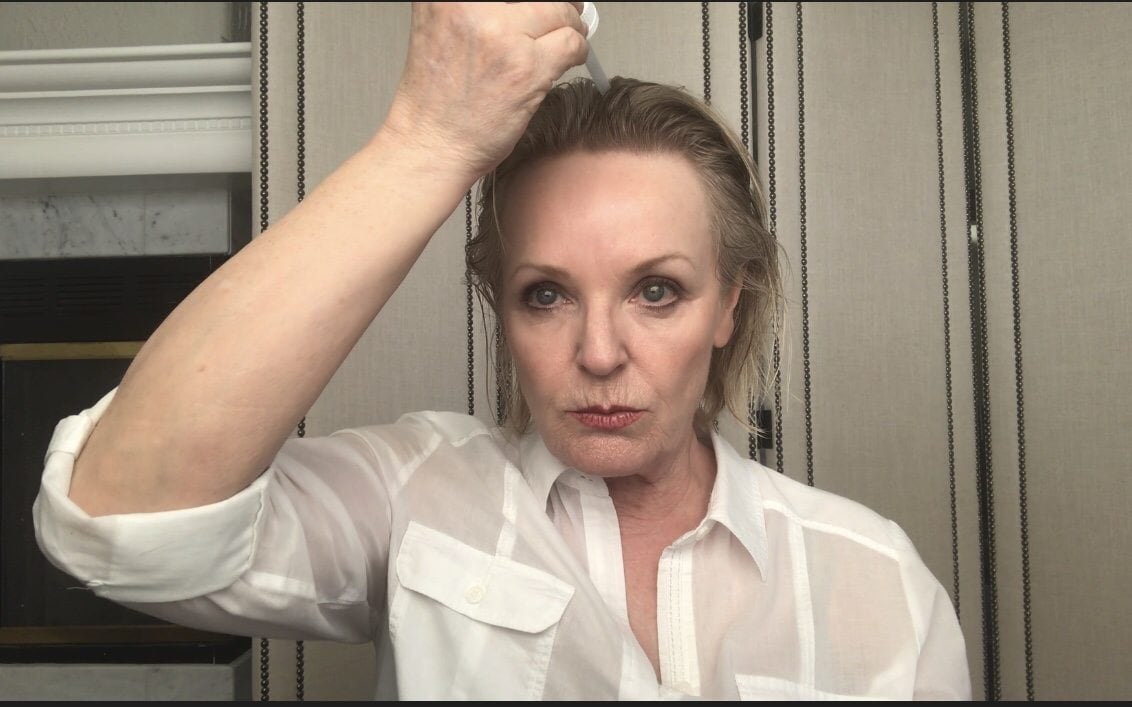
Click here to watch a video showing how I apply my minoxidil.
Ketoconizol Shampoo
Ketoconazole shampoos, like Nizoral, help reduce scalp inflammation and address yeast overgrowth that can contribute to shedding. Even the 1 percent over-the-counter version can be helpful.
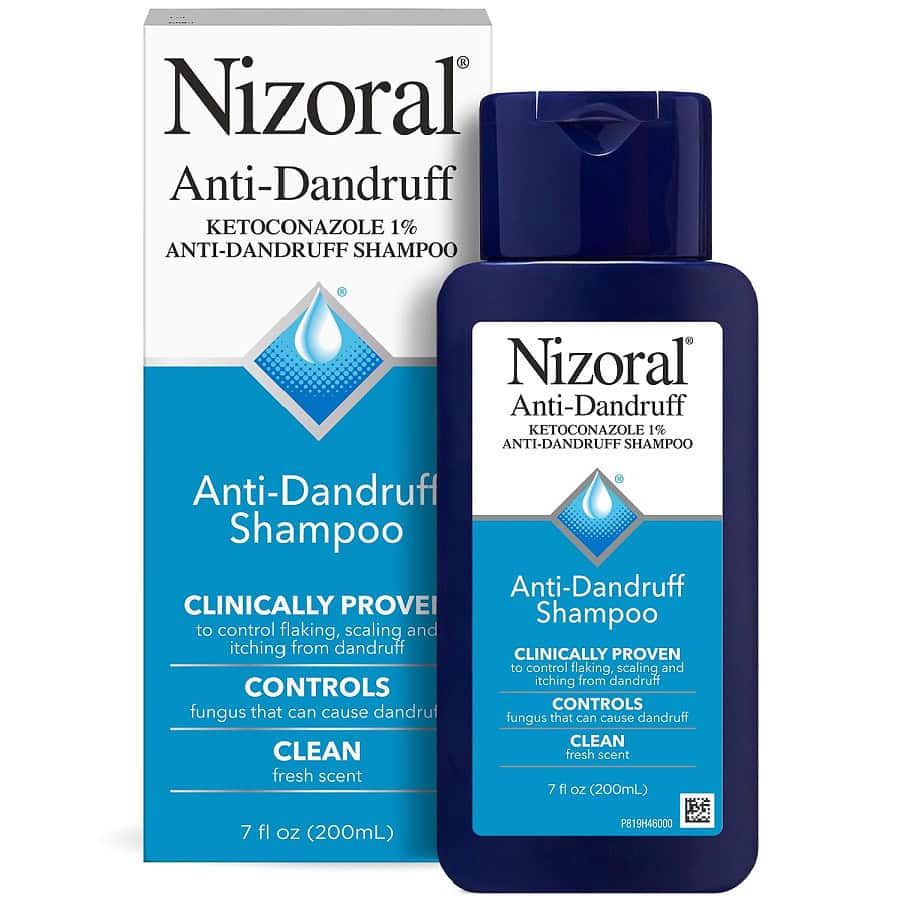
I use this twice weekly to keep inflammation in check and support a healthier scalp environment.
Low-Level Laser Therapy
Laser caps and combs are another option some women explore. They use low-level light to support circulation and encourage follicle activity. The results vary, but the research is promising enough that many dermatologists and trichologists recommend them as a supportive tool alongside other treatments.
Spironolactone (Prescription)
Spironolactone is sometimes used off-label to treat female-pattern hair loss because it helps block the androgen activity that contributes to follicle miniaturization. It’s a prescription medication and requires monitoring, but it can be an effective part of a broader treatment plan.
Finasteride (Prescription)
Finasteride is sometimes used off-label for women, though it’s not as widely recommended due to limited long-term data in female patients. Some doctors find it helpful in certain cases. Because of my family history of breast cancer, it wasn’t appropriate for me, but it may be an option for others under careful medical supervision.

Low Dose Oral Minoxidil (Prescription)
Low-dose oral minoxidil has become increasingly common for treating female-pattern hair loss. Originally developed for blood pressure, a much lower dose can support hair growth, reduce shedding, and help thicken existing strands. It’s gaining popularity because many women tolerate it better than the topical form, but it does require a prescription and follow-up appointments.
Lifestyle and Supportive Approaches
These options won’t reverse genetic hair loss on their own, but they help create a healthier environment for growth and support the treatments above.
Scalp Massage
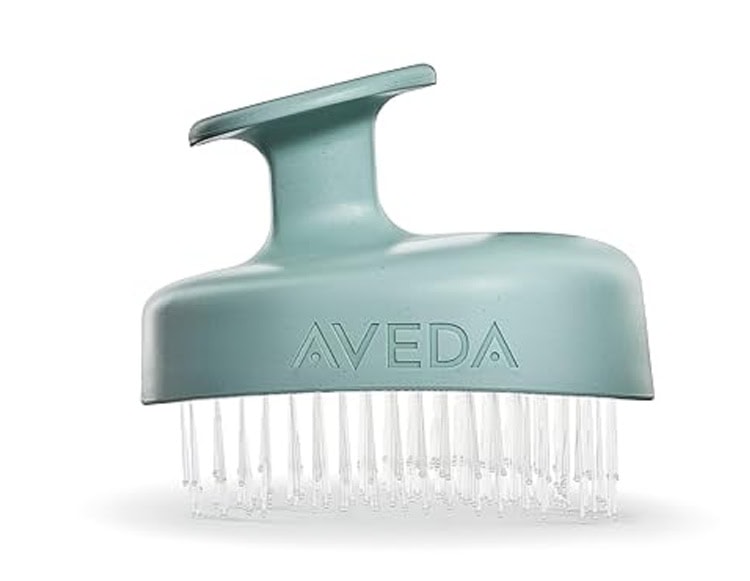
Regular, gentle scalp massage can help improve circulation and support fuller-feeling hair. You can use your fingers or a scalp-massaging tool like this one; both work perfectly well.
Saw Palmetto and Pumpkin Seed Oil
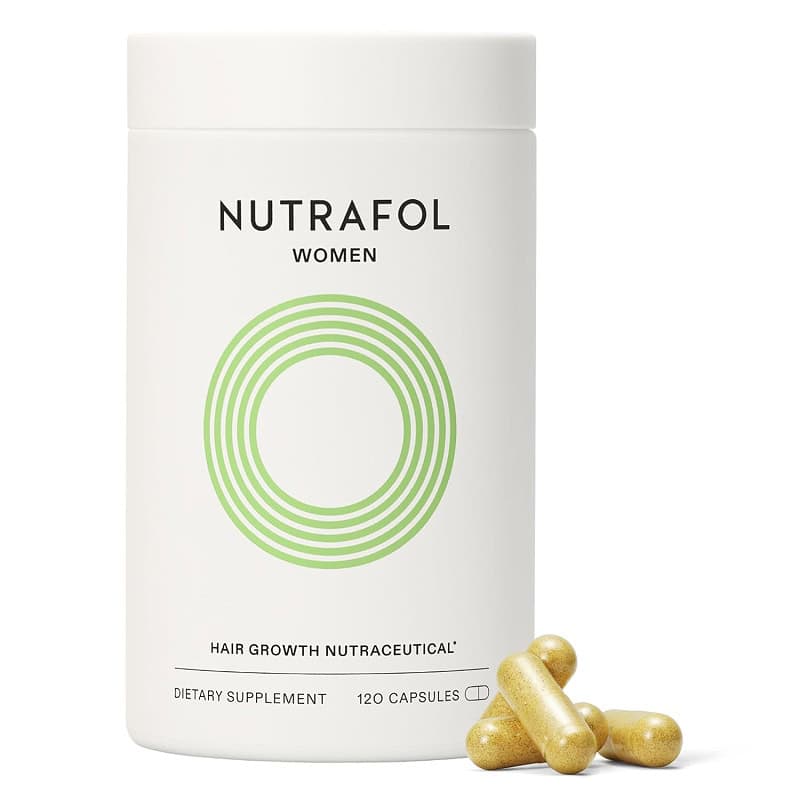
My trichologist recommended 320 mg of saw palmetto and 400 mg of pumpkin seed oil daily. Both have mild anti-androgenic and anti-inflammatory properties. For some women, these supplements fit well into a broader plan for thinning hair. This Nutrafol contains those and many more helpful ingredients. I’ve gone back to taking it.
Gentle Styling Choices
Being gentle with your hair becomes more important as it thins. Using a wide-tooth comb on damp hair, avoiding unnecessary pulling, and limiting heat can all help reduce breakage and support healthier growth over time.
Why I Finally Saw A Tricologist
After years of feeling like I was guessing, I reached a point where I needed clearer answers. That’s when I decided to see a trichologist. They are specialists who focus specifically on hair and scalp health.
A trichologist doesn’t replace a dermatologist, but they do spend more time examining the patterns of hair loss, the condition of the scalp, and the health of individual follicles. It’s a more detailed, hands-on look at what’s actually happening.
During my appointment, she:
- examined my scalp under magnification
- photographed several areas with a high-powered camera
- analyzed follicle density and growth patterns
- looked for signs of inflammation or miniaturization
When the images came back, they explained exactly why my thinning felt so inconsistent:
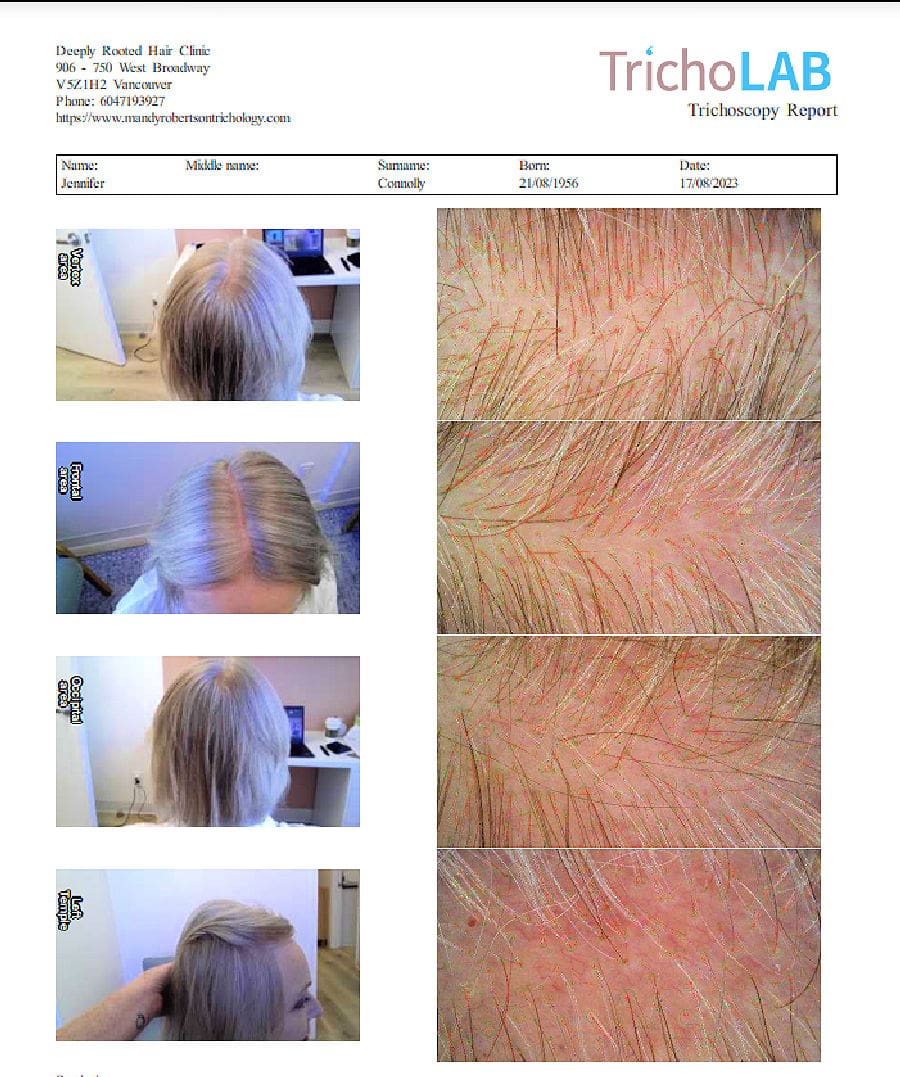
Female Pattern Baldness
There were miniaturized hairs and fewer hairs per follicular unit, which are classic signs of androgenetic alopecia. The positive part was that the follicles were still alive, just weakened. That meant treatment could help.
Telogen Effluvian
There were also signs of stress-related shedding, which explained the sudden, dramatic fallout I’d experienced. When she explained that telogen effluvium is temporary, I felt relieved to know they would grow back as the stress eased.
Mild Seboreic Dermatitis
There was mild scalp inflammation, which can contribute to shedding. This is where ketoconazole shampoo became useful.
Seeing everything mapped out so clearly finally gave me a sense of direction. Instead of trying random solutions, I could choose treatments that matched the actual issues.
What I’m Doing Now (My personal treatment plan)
After finally knowing what I was dealing with, my routine became much more targeted. Here’s what has made a meaningful difference for me:
- Low-dose oral minoxidil
- Spironolactone
- Nizoral twice weekly
- Iron, vitamin D, and other supplements based on labs
- Higher protein meals
- Gentle styling and handling
- Paying closer attention to stress…because it matters
It looks like a long list on paper, but it feels surprisingly manageable day to day, and the progress has been steady. In fact, it feels like a miracle to me.
Thinning hair brings up more emotion than most of us expect, but it gets easier when you have real information and a plan that makes sense for your life. If you’re navigating your own version of this, you’re not alone. We’re all learning as we go.
How are you feeling about your hair these days?
This post was originally posted in 2022, so I’ve updated it with new information and to share what I am doing now to treat it.
I am on my second round of Alopecia Areata and sorely depressed!! I do see a hair specialist, but it seems that I just keep getting move bald spots!!
Alopecia Areata is very tough. I highly recommend you get a hair topper. They work great and are not hot.
Hello Jennifer, Do you shop at Costco? They sell Kirkland’s minoxidil both foam and liquid, for about 1/2 the cost of Rogaine. I have had good luck with it, and the savings might be helpful. Thank you for sharing your journey with this issue.
Thank you for such a wonderful post….I now don’t feel so alone with my hair loss that started with menopause…and I am now almost 73. I have tried so many over the counter “cures” with usually no improvement. I was on Nutrafol for 2 1/2 years, but stopped for a few months as I thought my shedding was suddenly worse. I am now back on it for the past month and will continue. My dermatologist prescribed oral minoxidil 1.25 as a starting point. I was very excited to try it until I started reading comments about user’s side effects….most especially the “dread shed” and excessive facial and body hair. So I haven’t started yet. Have you experienced any side effects with the oral minoxidil? I also tried the topical, and it just wasn’t for me. I also have tried a product from Bondi Boost called Lock Drops. It’s supposed to slow down shedding, and after a few months, I have really noticed a difference with much less shed. I’m hoping that continues. Thank you again for all the good information and now I might bite the bullet and start the oral minoxidil.
That’s a nice low dose and the same I started with and have stayed with because it works. I had no dreaded shed. I’d try it. You may be delightfully surprised. The spironolactone is supposed to help control excess hair.
So interesting Jennifer? How does one find a certified trichologist? And does insurance cover? I have a patch of thinning with pink scalp on one side of my head. Have an appointment with a dermatologist I made months ago—for early January.
I’m sure you could google for one in Your area. Just go to your dermatologist armed with questions and ideas you’d like to try.
This is very helpful! Thank you. I want to add that your eyebrows look really good. I a struggling with how to handle the thinning out of my eyebrow “tails.” They sort of disappeared! I see so many brow enhancements that look really good, (tattoo?) but i am very hesitant to go to that extreme. Any suggestions? Or maybe you have posted something on this.
I use Nutrabrow. I’m not a fan of the tatoo for me…yet
Thank you for addressing the emotional aspect of thinning hair. I loved all your options and research on what to do that might help. I’ve tried most everything including a hair transplant! My complicated medical situation makes it difficult. I think it’s harder for women to accept going bald. For myself, the journey is over and I have had to accept that I will have to wear a wig. If you get a high quality hair piece most people don’t know. The positive side is I save a lot of time on styling!