Read a Light Dress Listing beyond Its Styled Background
Read a light dress listing alongside its actual garment details, keeping a styled background and photographic lighting separate from the product information needed for a decision.
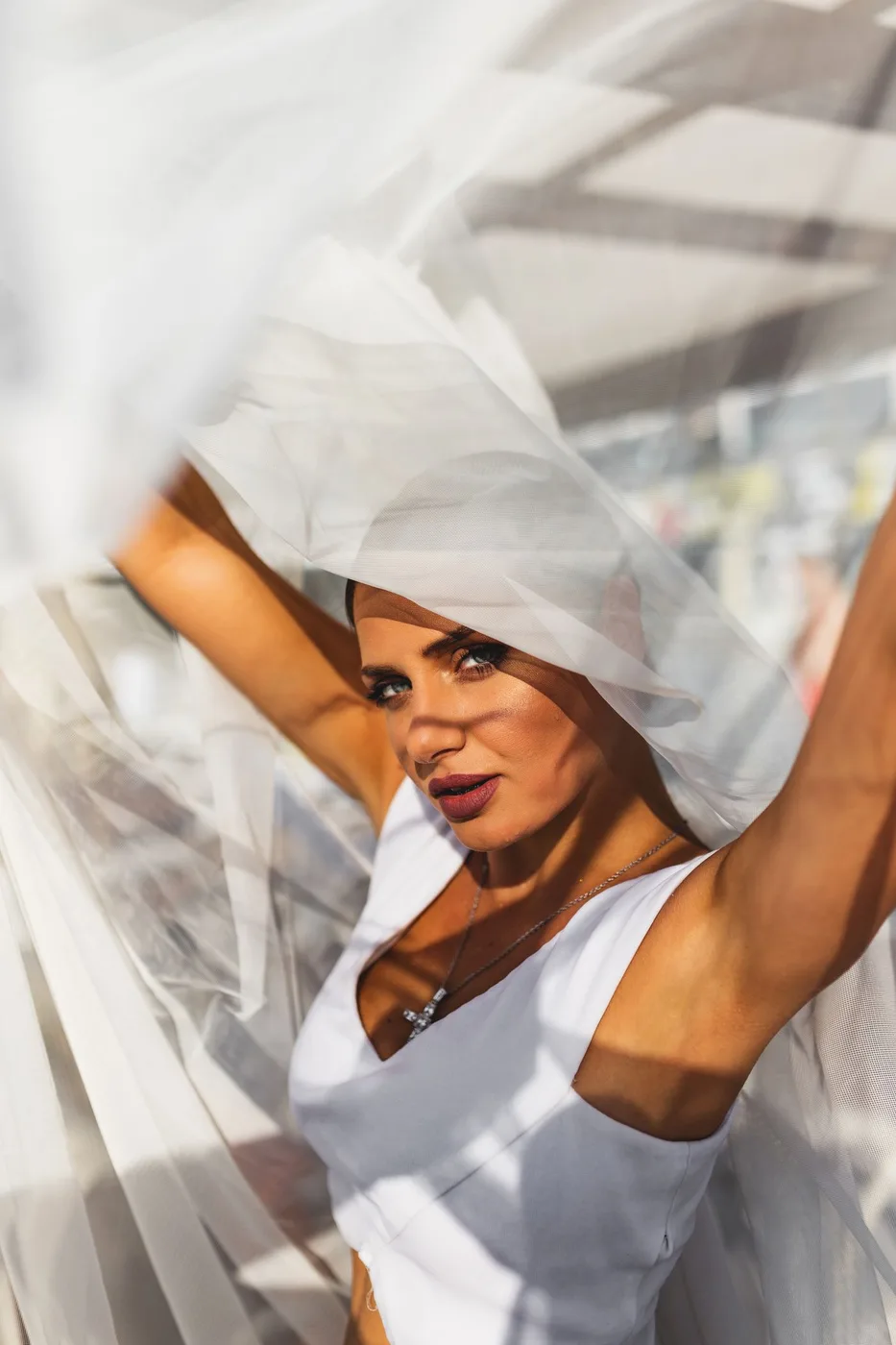
Editorial stock photograph · Source and photographer. Styling illustration; no product endorsement implied.
A light dress photographed beneath flowing fabric can look airy and simple while its actual product details remain hard to see. The background is part of the image, not necessarily the garment or its instructions. Read the listing with that distinction in mind. A considered choice preserves what the photograph genuinely shows while leaving construction and care questions to appropriate information.
Identify the product scope
Locate the precise dress name and version in the actual listing. Read what the purchase includes. A veil-like background, accessory or layer used in styling should not automatically become part of the garment set.
Keep the description tied to the product under consideration rather than a visually similar item elsewhere. Similar pale silhouettes can have different materials, dimensions and construction. An appealing resemblance does not establish a reliable match.
Read written details in context
Review the supplied material, lining and care information without assuming a fibre from the image. If the wording refers to selected areas or particular variants, preserve that scope accurately. Avoid simplifying a partial detail into a claim about the whole dress.
Check any supplied measurements and their method. A model’s pose can alter the visible outline without explaining fit for your own decision. Keep size information distinct from personal preference about the photographed arrangement.
Look for unobscured views
Review the available front, back and detail images. Notice where flowing fabric, arms or shadows hide part of the product. Missing information should remain missing rather than being completed through an imagined version of the dress.
Lighting can influence the appearance of a pale garment. Do not treat a single image as a precise colour reference or proof of an unshown property. Read actual product information and preserve a relevant question where the images leave uncertainty.
Connect the dress with a real role
Think about the activity and familiar belongings you would use with it. The dress needs an understood wardrobe purpose beyond the attraction of the campaign image. Try to identify an existing suitable pairing before creating a full coordinated shopping list.
If a practical detail matters and is absent, ask a concise question tied to the actual product. A clear enquiry about the stated construction is more useful than a request to confirm that the dress will be “perfect” for an unspecified occasion.
Review the item appropriately
If you receive the dress, follow applicable purchase guidance while comparing its identity and visible details with the information relied on. Keep relevant documentation available and use the appropriate process for a discrepancy or unresolved question.
A useful light-dress listing review respects the photograph’s appeal without giving its background the role of product evidence. It keeps actual construction, intended use and personal preference in view so the garment can be considered as clothing rather than only an image.
Related reading
The Summer Dress Checklist for Everyday Wear, A Fitting-Room Routine for Clothes You Will Actually Wear.
Check your wardrobe first, note the gap you want to fill, then compare fabric, fit, care instructions and the retailer’s current return terms.
Explore our retailer directory →