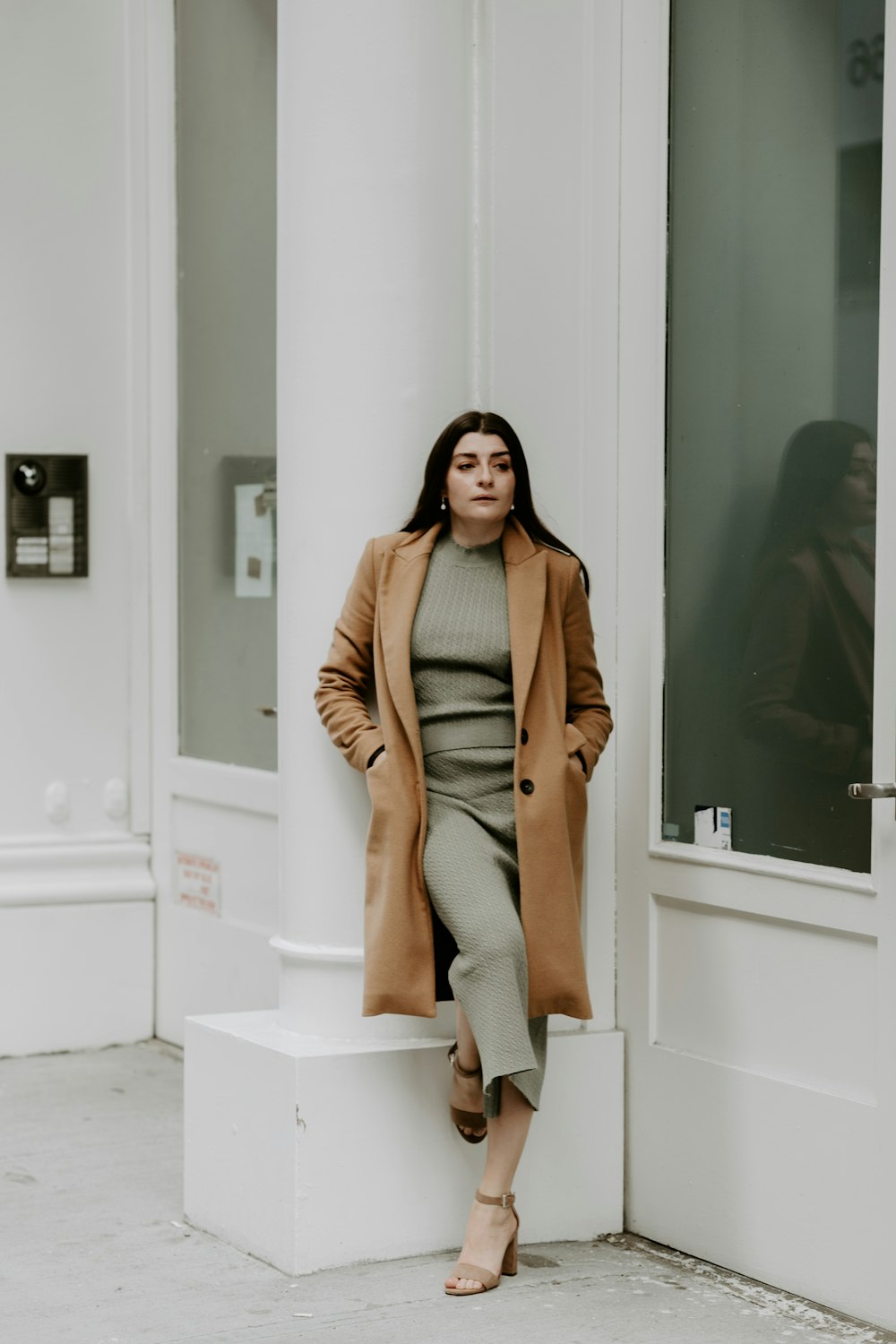
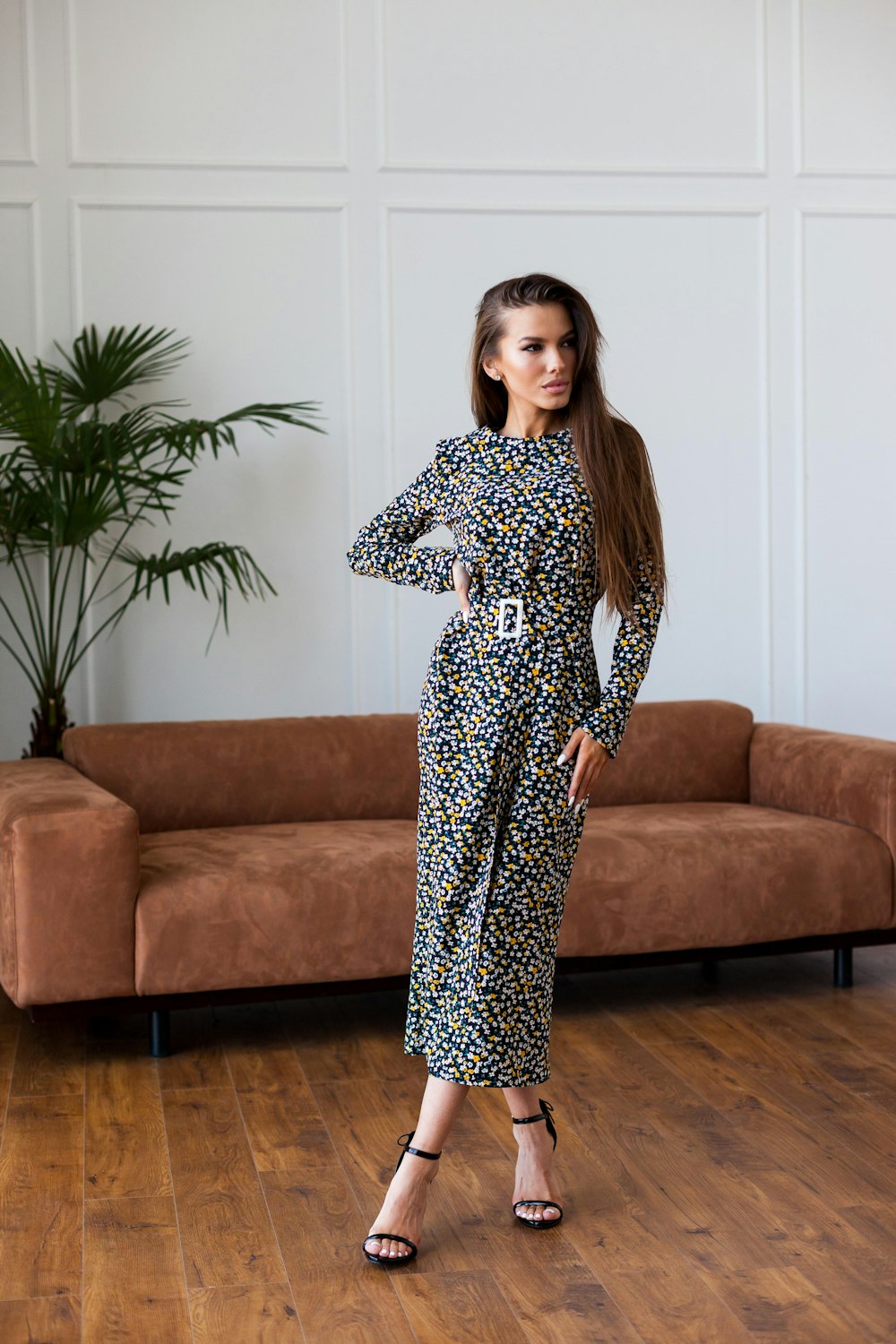
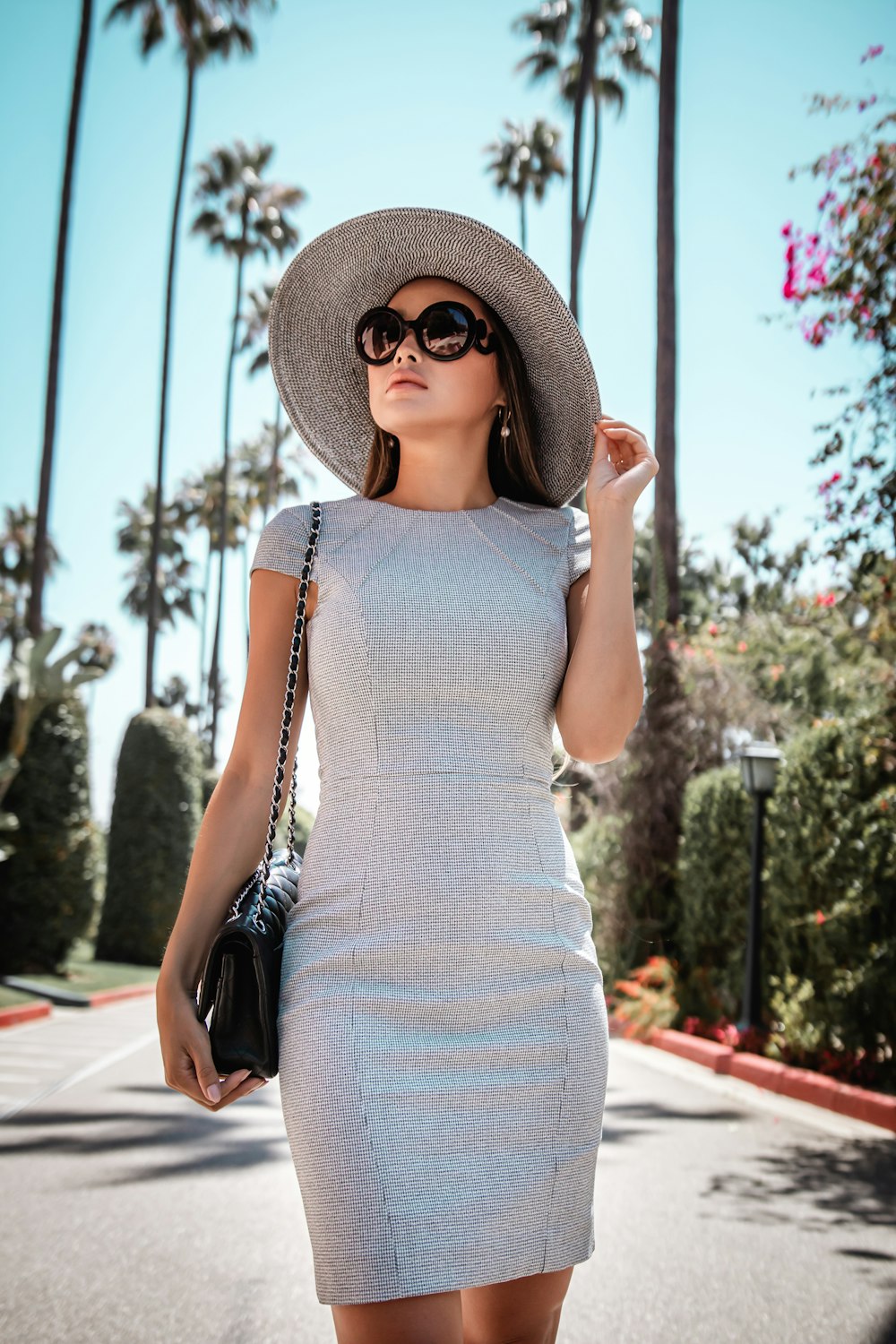
A Long Dress with One Existing Outer Layer
Try a long dress with one existing outer layer, keeping the actual sleeve and opening relationships clear before deciding that the garment needs a new coordinated companion.
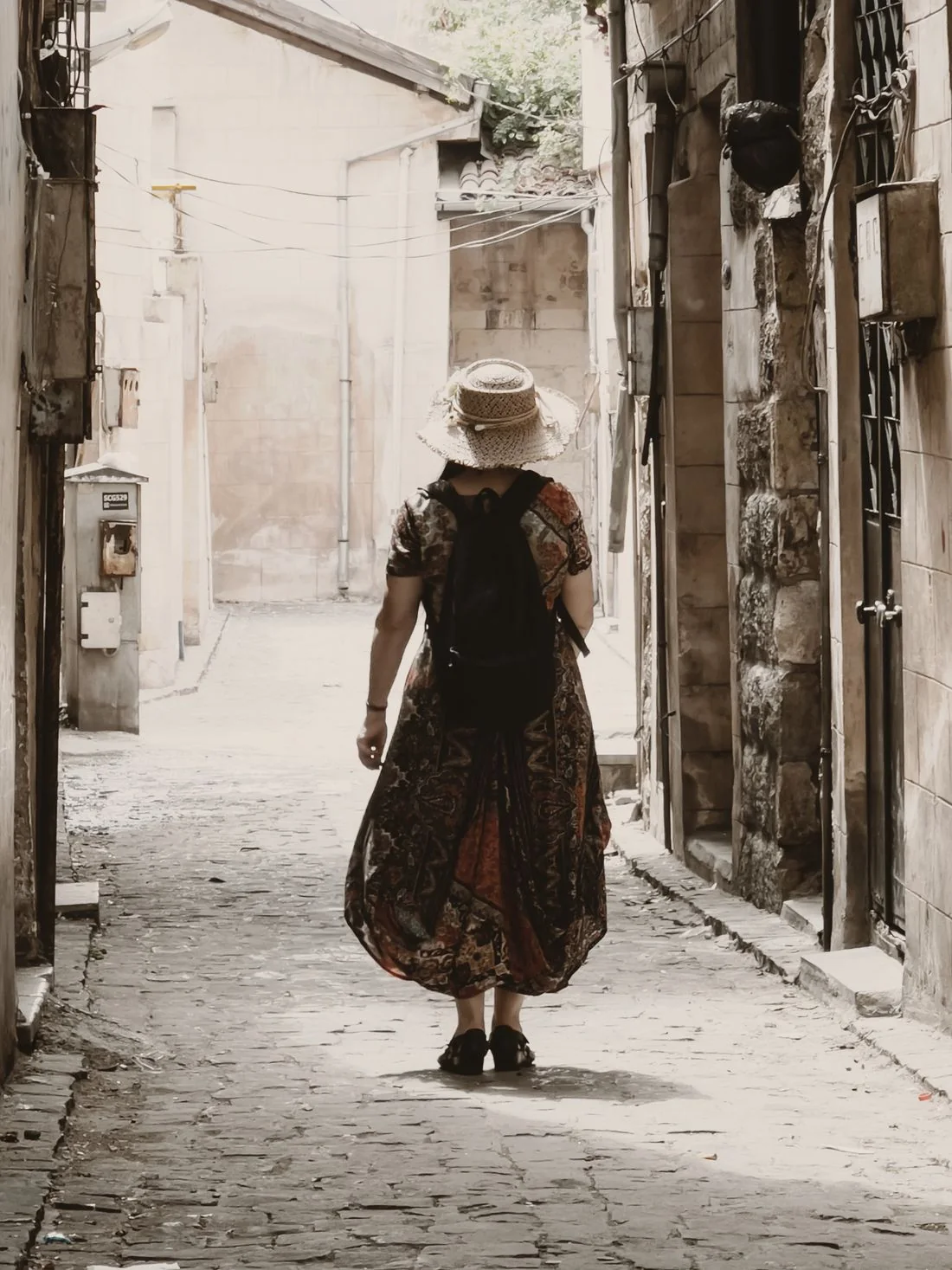
Editorial stock photograph · Source and photographer. Styling illustration; no product endorsement implied.
A long dress can seem to require a particular new jacket before it has been tried with suitable clothing already owned. Begin with one existing outer layer and the actual day’s needs. Length is only part of the relationship; sleeves, openings and ordinary movement matter too. A useful pairing keeps both garments understandable rather than forcing them to imitate a photograph of different pieces.
Review the dress independently
Read relevant product information and choose its intended wearing arrangement. Check current readiness through appropriate handling, keeping unfinished care or a repair outside the outfit plan. A long silhouette in an inspiration image does not establish your garment’s construction.
Try familiar suitable shoes and review gentle ordinary movement in a comfortable space. The base outfit should have an understood role if the outer layer comes off indoors. A jacket should not be needed to conceal a decision you have not made about the dress itself.
Add the actual outer garment
Choose an existing suitable layer and read its relevant guidance. Look at the sleeve and shoulder relationship without forcing the dress’s fabric through an unsuitable opening. Keep unfamiliar construction questions visible rather than solving them through repeated adjustment.
Review the layer in the open or closed arrangement you intend. A hem or neckline held into place for a mirror view may behave differently once your hands return to ordinary tasks. The products’ own construction remains central.
Consider the complete visible arrangement
Look at the garments together from an ordinary distance in suitable light. Decide how much of the dress you prefer to show. A shorter or longer layer can be a personal choice without becoming a universal proportion formula.
Keep colour and surface questions with the actual pieces. Lighting and screens can change a reference image’s appearance. Do not infer material or compatible care needs from a visually coordinated photograph.
Include belongings and transitions
Add the intended bag with ordinary contents within product guidance. A carrying strap can change an opening that looked clear before the belongings arrived. Review the full group rather than the garments in isolation.
Take the layer off and put it back on through an ordinary sequence in a suitable space. Give it an appropriate temporary place. If the arrangement repeatedly becomes awkward, compare another existing layer or choose a different outfit for that activity.
Preserve the workable option
Record the actual dress, outer layer and intended opening if they served the day. Include a specific limitation where useful without making a broad rule about long dresses. Another garment can have different construction and deserve an independent review.
After wearing, follow the appropriate care and storage guidance for each piece. One considered existing layer can give a long dress a realistic additional role, keeping personal preference and ordinary use central before another purchase is allowed to become the assumed solution.
Related reading
The Summer Dress Checklist for Everyday Wear, Autumn Layering Without the Bulk.
Check your wardrobe first, note the gap you want to fill, then compare fabric, fit, care instructions and the retailer’s current return terms.
Explore our retailer directory →