Give a Loose Dress One Structured Supporting Detail
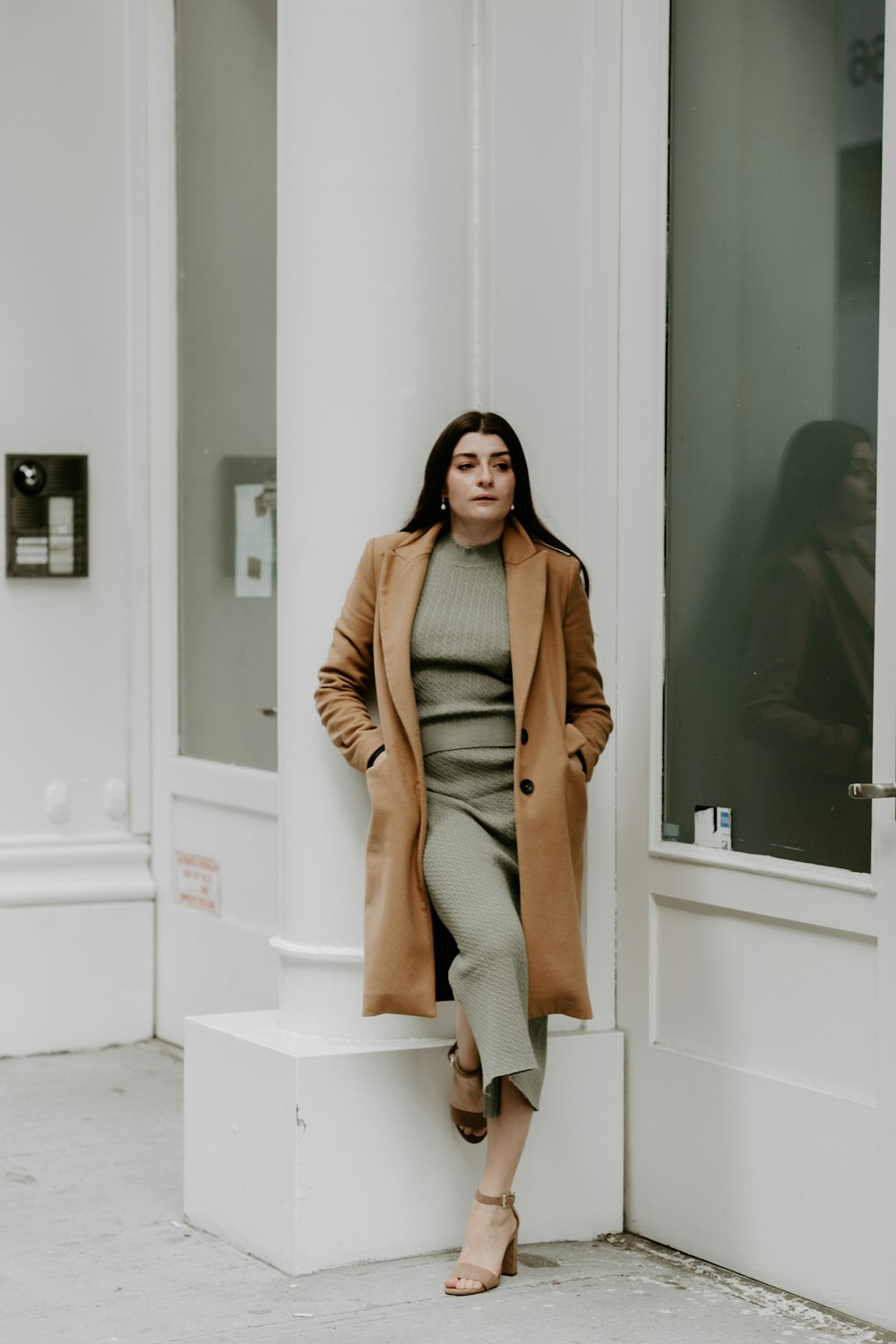
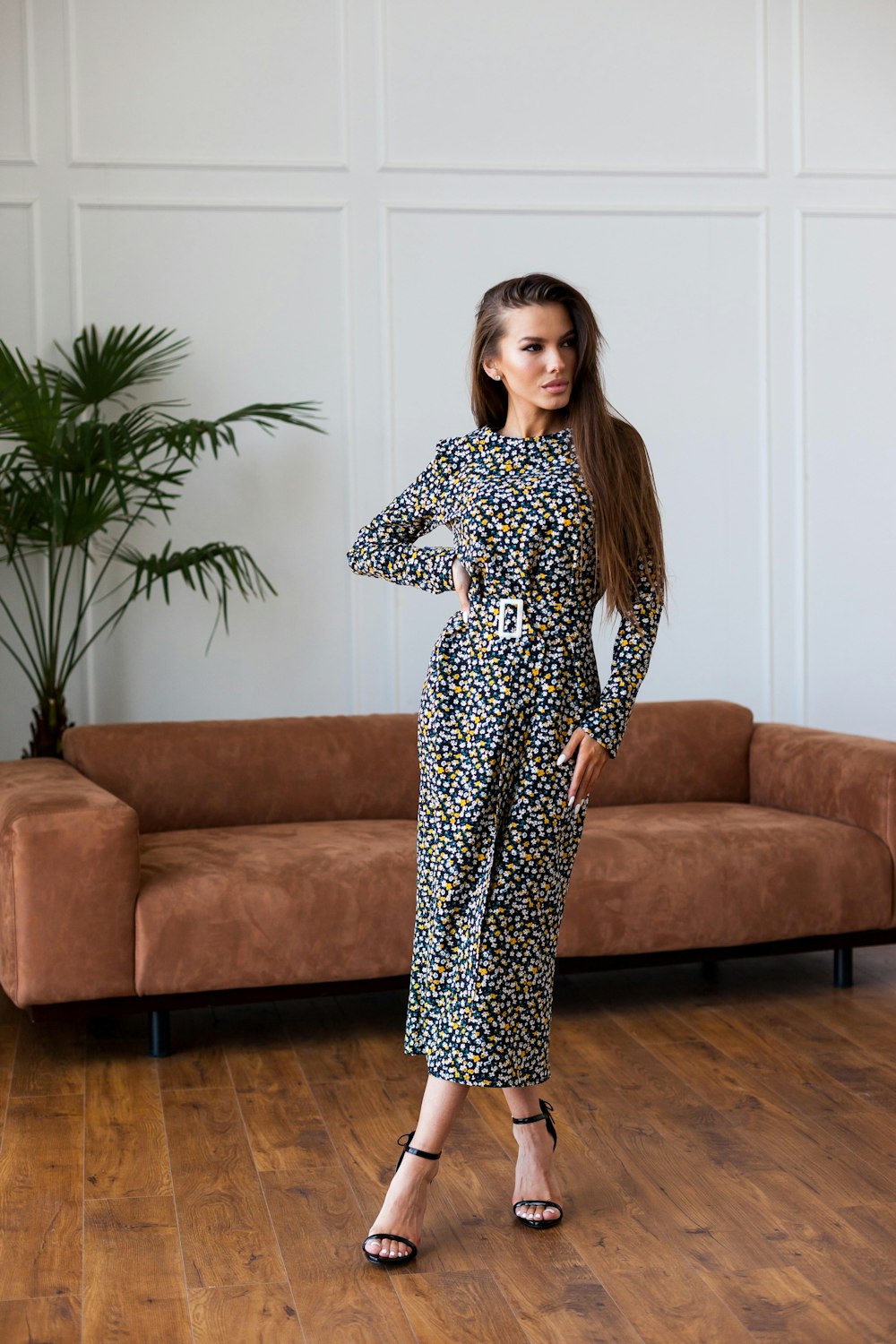
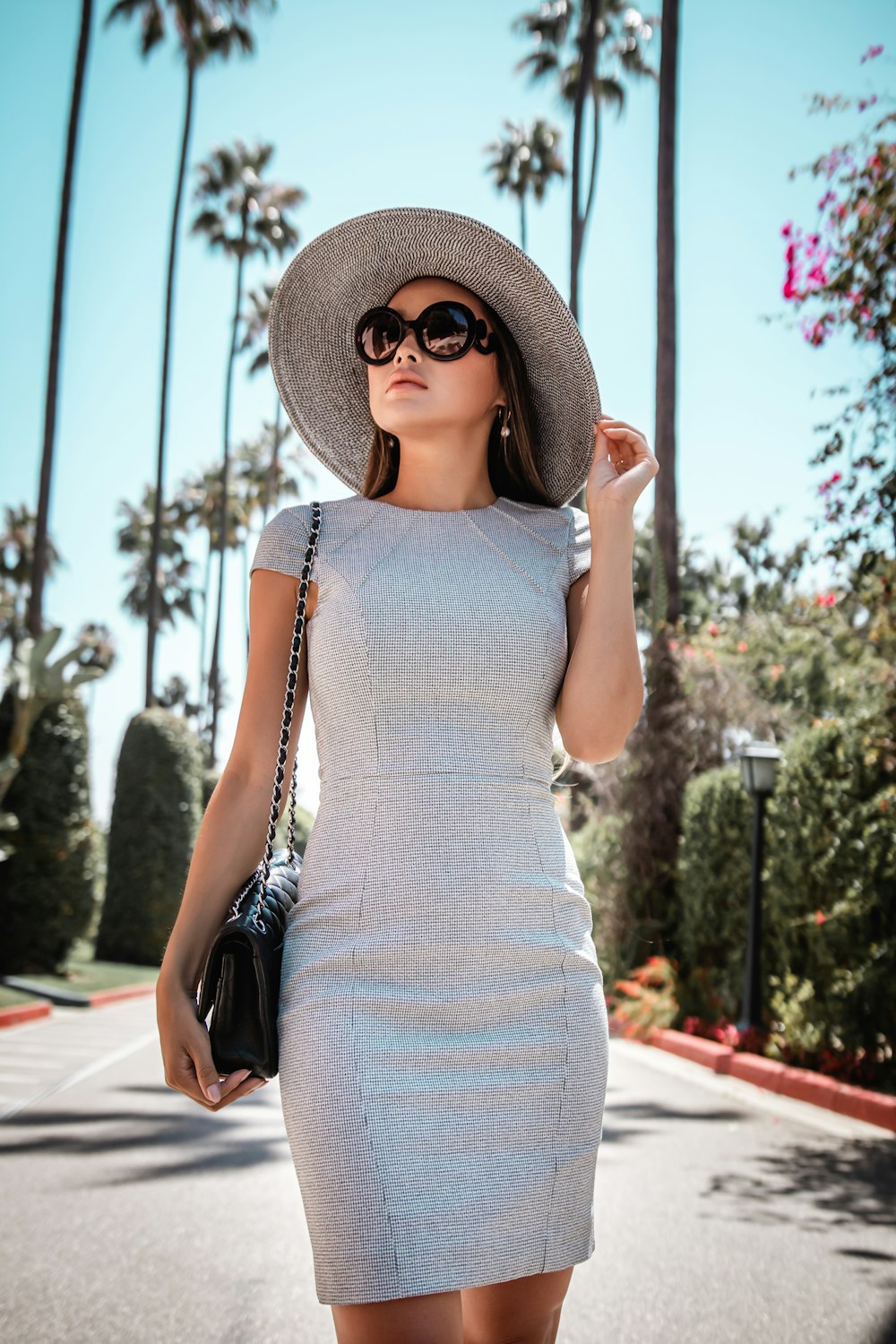
Give a loose dress one structured supporting detail, comparing an owned bag or suitable outer layer before a flowing silhouette becomes a reason to add several new accessories.
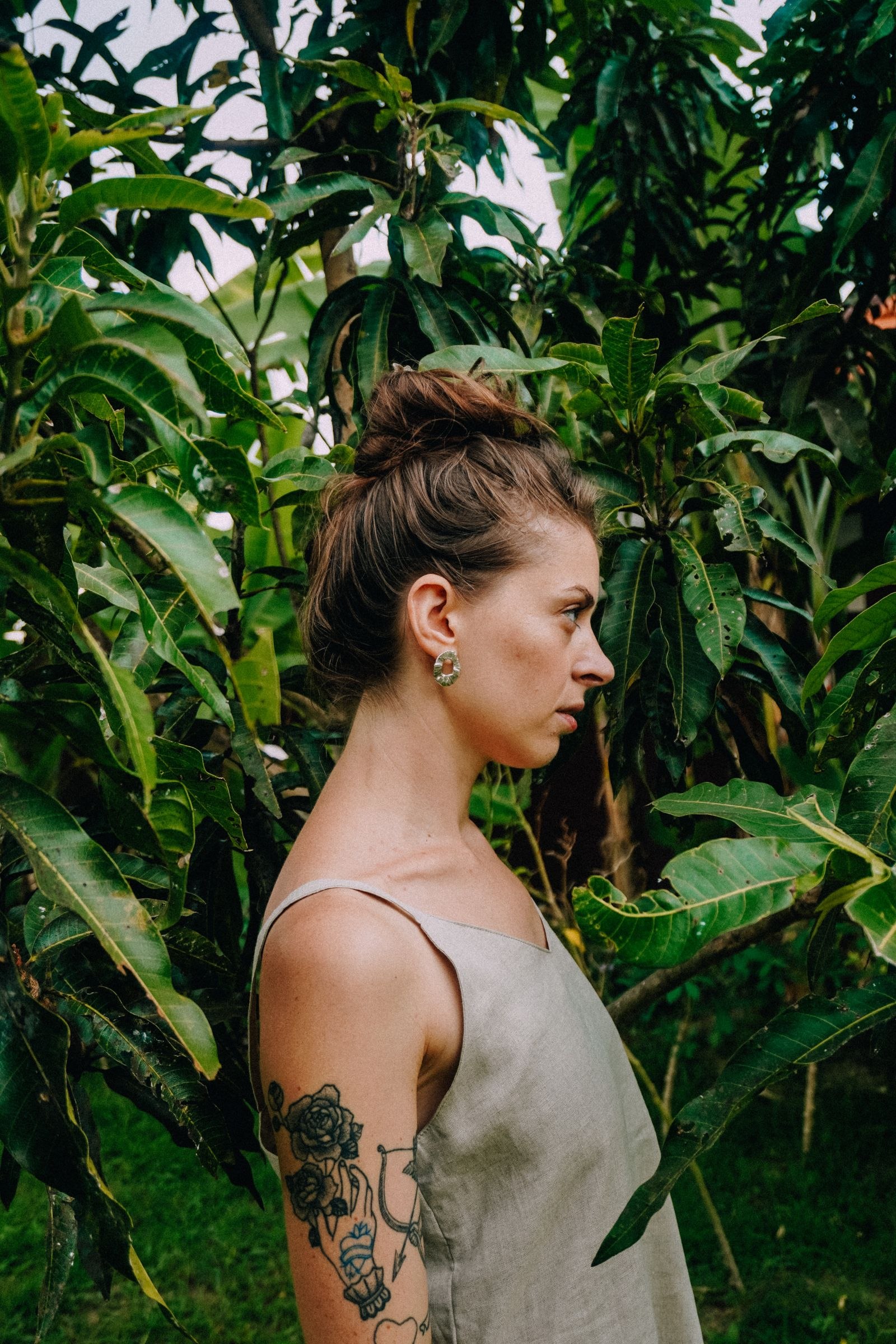
Editorial stock photograph · Source and photographer. Styling illustration; no product endorsement implied.
A loose dress can have a satisfying shape without a belt or a collection of fitted layers. If the outfit needs a more defined supporting element, try one structured piece already owned. A bag, a suitable jacket or another practical accessory can supply that contrast while leaving the dress's movement intact. Choose one useful role before surrounding a flowing garment with objects whose only purpose is to make it appear less relaxed.
Read the dress on its own
Put on the actual garment with suitable ordinary footwear. Notice its neckline, straps or sleeves, width and hem in normal wear. A dress photographed among leaves may appear closely connected to its setting, but the wardrobe decision concerns the piece itself.
Keep relevant product information separate from visual impressions. A natural-looking colour or texture does not establish material, care or performance. Use the garment's own information when those questions affect the intended plan.
Choose one supporting job
Decide what is missing in practical terms. Perhaps a bag needs to hold the normal belongings, or a layer is needed at the destination. Let that real job identify the first supporting piece rather than beginning with an abstract instruction to add structure.
Use an owned candidate whose purpose and appropriate use are understood. A small structured bag and a tailored jacket create very different visible areas. Compare the one that actually belongs in the day instead of adding both at once.
Look at the contrast from a normal distance
Carry the bag in its natural position or wear the layer normally. A rigid shape held centrally for a photograph can appear much more dominant than the same object beside the leg. The ordinary view gives the dress and supporting detail their real relative sizes.
Notice whether the loose outline remains appealing. The aim is not necessarily to conceal volume or create an artificially narrow waist. A defined accessory can contrast with a flowing garment without changing what the wearer enjoys about the dress.
Check what happens when the detail leaves
Put down the bag or remove the outer layer as the outing requires. The remaining dress-and-shoe combination should still feel usable. An outfit becomes restrictive when its only acceptable view depends on holding one accessory in an exact place.
If the first candidate adds too much visual weight, try a quieter owned option rather than immediately purchasing a smaller replica. Keep the dress and shoes steady during that comparison so the supporting piece's contribution remains clear.
Record the successful real arrangement if it is worth repeating. One structured detail can be enough, and sometimes the plain dress works best without it. The useful decision is the one that respects the garment's actual movement and the day's practical needs, rather than a rule that every loose silhouette must be corrected by several sharper shapes.
Related reading
A Long Dress with One Existing Outer Layer, Give a Dark Dress One Real Repeat-Wearing Role.
Check your wardrobe first, note the gap you want to fill, then compare fabric, fit, care instructions and the retailer’s current return terms.
Explore our retailer directory →