Ask for the Actual Sole Views of Pre-Owned Boots
Ask for the actual sole views of pre-owned boots, connecting clear images and the seller’s known condition information before a polished upper photograph decides the purchase.
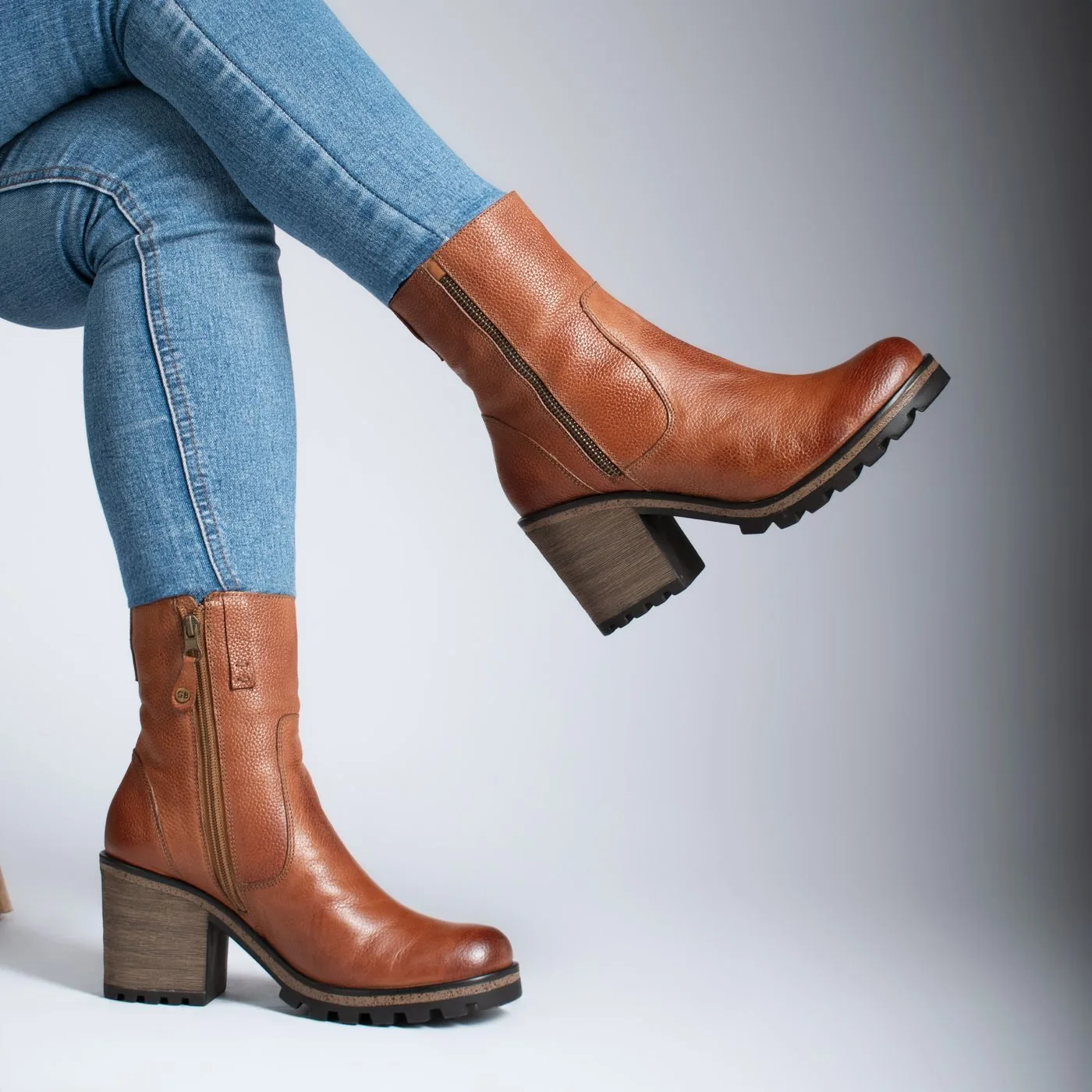
Editorial stock photograph · Source and photographer. Styling illustration; no product endorsement implied.
A polished photograph of pre-owned boots can show the upper clearly while leaving the soles outside the frame. Before deciding that the pair suits the intended wardrobe role, ask for the relevant actual views and the seller's known condition information. The aim is an informed question about this particular pair, rather than diagnosing every visible mark from a distance or assuming that a clean-looking upper establishes the whole condition.
Identify the individual pair
Confirm that the listing photographs describe the actual boots being sold. General product images can help explain the original design but do not document the present pair's wear or any later work.
Keep the stated size, version and seller reference with the inquiry. Similar brown ankle boots can appear in several listings, and a saved close-up becomes less useful when it is no longer clear which pair it belongs to.
Ask for useful direct views
Request clear photographs of both soles and relevant heel areas where those details are not already shown. A direct view in ordinary light is more useful than a dramatic angle that conceals one side. Include both boots rather than assuming the second is identical to the first.
Explain the missing view neutrally. There is no need to accuse the seller of hiding something; the current photographs may simply have been made for a different purpose. Ask the specific question the images need to answer.
Separate visible condition from history
Read what the seller actually knows about repairs, replacement parts or other work. An unfamiliar surface or stitch line should remain an observation until its meaning is established. Do not infer a professional repair or an original component solely from its appearance.
If the condition requires specialist assessment, recognize that a listing conversation cannot replace it. Keep an unresolved important question visible in the decision rather than filling it with a confident story about what the boots must have experienced.
Connect the information to intended use
Consider the actual wardrobe role and ordinary activities planned. The same attractive upper can appeal in a photograph while leaving an important practical concern unanswered. Avoid allowing rarity or a pleasing colour to make that concern disappear.
Review the applicable purchase terms and the complete description before deciding. On arrival, compare the actual pair with the retained listing information through the seller's stated process, raising a concrete discrepancy promptly where needed.
Save the relevant images and answers with the individual product reference while they serve the decision. A useful pre-owned purchase record preserves what was seen, what was stated and what remains unknown. It does not need an invented wear rating or a prediction about how long the boots will last. The value lies in knowing enough about the actual pair to decide whether it belongs in the wardrobe.
Related reading
A Footwear Inventory with Actual Pair Identity, Read a Slip-On Shoe’s Opening beyond the Front View.
Check your wardrobe first, note the gap you want to fill, then compare fabric, fit, care instructions and the retailer’s current return terms.
Explore our retailer directory →