Keep a Shirt Button Question Clear after Wearing
Keep a shirt button question linked to the actual garment after wearing, separating a visible observation from a repair decision so the next step remains clear.

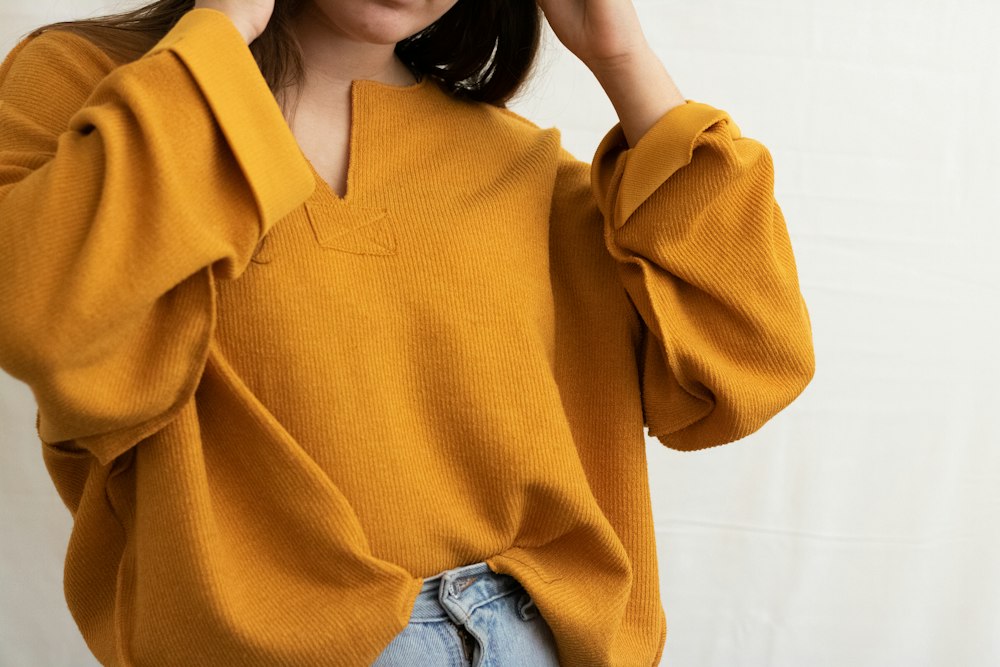
Editorial stock photograph · Source and photographer. Styling illustration; no product endorsement implied.
A shirt button can become an unfinished thought during the day: something looked different or felt less straightforward, but you continued wearing the outfit. At home, preserve that observation before the shirt joins ordinary storage. A clear next step is more useful than a vague reminder to fix clothes. It also avoids turning a quick impression into a repair instruction that nobody has assessed.
Record what you actually noticed
Name the shirt and the button area in ordinary language. “Pale shirt, left cuff fastening felt unfamiliar” preserves a different question from “front button missing.” Keep the wording factual enough that you can understand it later without recreating the whole day.
Do not pull at the component to make the observation more conclusive. Review the garment through suitable gentle handling and consult its available information. A product photograph can support identity without establishing the condition of the shirt currently in your hands.
Keep appearance and function separate
A button that looks different may be a design detail, a replacement from an earlier repair or something requiring clarification. A fastening that did not work as expected raises another question. Do not merge those observations into a single unsupported verdict about the garment.
Compare retained product information where it genuinely helps. An old outfit photograph may show the visible arrangement while leaving small construction details unclear. Mark an unanswered question as unanswered rather than assigning a history from resemblance.
Give the shirt an honest status
If the question affects whether the shirt is ready for its next role, keep it distinct from clothing ready to wear. Choose an appropriate temporary place consistent with the garment's needs. A short private note can preserve the issue without leaving the shirt draped across unrelated household tasks.
Keep any genuinely loose supplied part identifiable with the correct garment. A similar pale button in an accessory box is not automatically a matching component. Preserve that distinction until the actual set is understood.
Choose a proportionate next action
The next step may be reading the retained information, seeking a specific clarification or showing the garment to an appropriate repair service. Describe the observation rather than prescribing an unfamiliar alteration. “Please assess this cuff fastening” leaves room for an informed explanation.
If another person helps, explain the actual shirt and unresolved point. Avoid an instruction to sort all the buttons when only one garment has a known question. Clear scope makes the handover easier and keeps unrelated clothing out of the task.
Close the loop after clarification
Update or remove the note when the issue is understood and any appropriate process is complete. An old reminder should not continue governing a ready garment. Equally, returning the shirt to a familiar hanger should not silently count as completion.
A clear button question keeps a small observation useful without exaggerating it. It connects the real garment with an honest status and a practical next action, allowing the shirt to return to ordinary dressing through understanding rather than a forgotten concern or guessed repair.
Related reading
A Clothing Rail with Unfinished Tasks Identified, When a Small Trouser Alteration Is Worth Considering.
Check your wardrobe first, note the gap you want to fill, then compare fabric, fit, care instructions and the retailer’s current return terms.
Explore our retailer directory →