Why Does Shopping Feel So Uninspiring in 2026?
There’s no shortage of clothing available in 2026, and yet getting dressed has rarely felt so uninspiring. I’ve always believed that what we wear matters, not in a performative way, but as a quiet act of self-respect. Lately, though, the fashion industry is testing that belief.
If you’ve been in a department store recently or spent time scrolling through your usual retailers online, you’ve probably felt it too. The racks look full, but nothing really lands. Everything feels oddly interchangeable. We’re surrounded by clothes, yet starved for anything that feels distinctive or worth pausing over. It’s a strange contradiction, and one that’s made shopping feel more like a chore than a pleasure.
That disconnect is what I want to talk about here, because it isn’t just about trends. It’s about what happens when sameness replaces style, and how that quietly reshapes the way we relate to our wardrobes.
The Current Retail Landscape
Stepping into a favorite boutique or department store lately can feel underwhelming. Inventory looks thin, and retailers seem to be playing it so safe that everything blurs into the same mix of beige, denim, and neutrals. I notice it immediately when I walk the floor. I’m looking for one piece that stops me in my tracks, and instead, I see rows of basics that could be from anywhere.
It isn’t just happening in stores. I’m seeing the same thing online, where brand identities I once relied on for a distinct point of view now blur together. Retailers may be trying to steady themselves in a fast-moving market, but from the shopper’s side, the experience has lost much of its spark.
Part of this sameness comes from consolidation. Many brands have been acquired by larger parent companies that keep the original name but streamline everything behind the scenes. Design teams are merged, sourcing is standardized, and risk is minimized. On the rack, the label may be familiar, but the clothes often look indistinguishable from what’s hanging next door.
The Sizing Lottery & The Return Trap
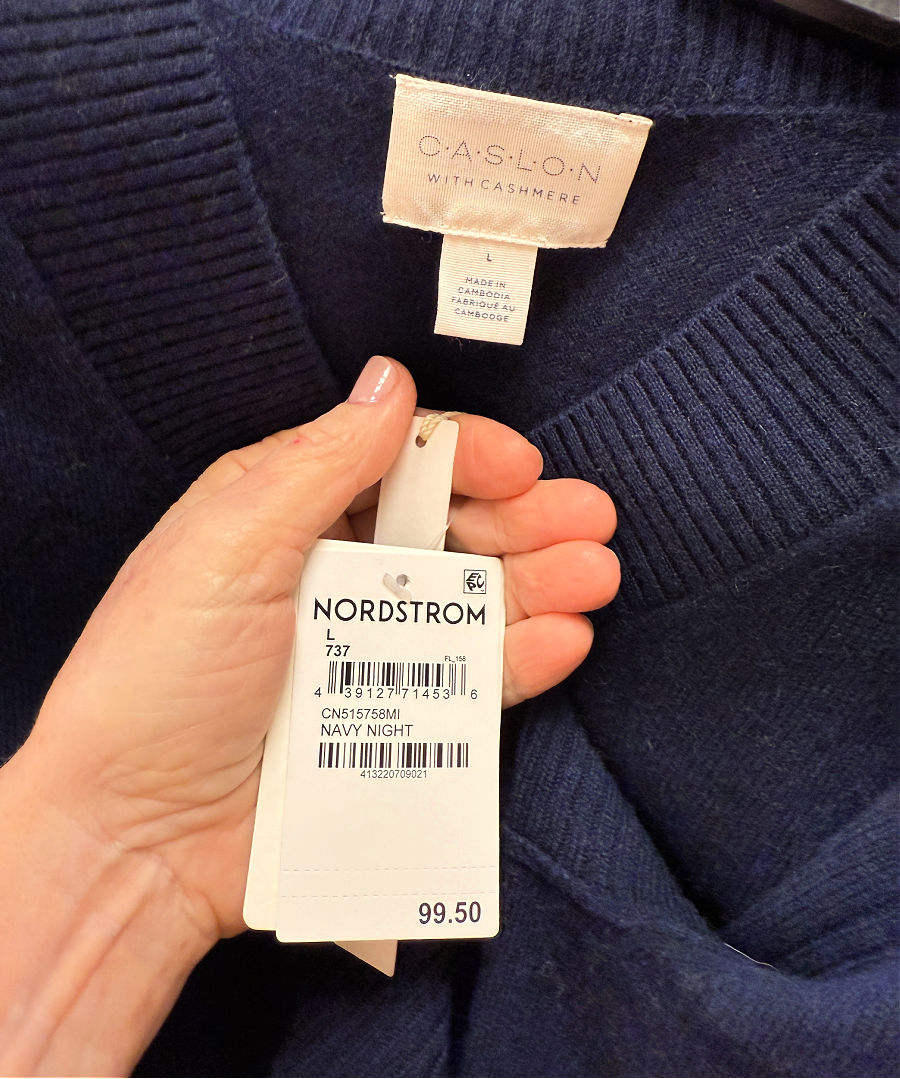
Sizing has become wildly inconsistent. A size 8 can fit like a 4 in one brand and a 12 in another, which turns shopping into guesswork before you’ve even reached the fitting room.
That’s why so many of us now order multiple sizes of the same piece just to find one that works. But in 2026, returns are no longer simple. Fees are creeping in, return windows are shrinking, and suddenly you’re managing logistics instead of enjoying the process.
When sizing is unreliable, and returns come with penalties, even good clothes start to feel like too much effort.
Shopping with an Algorithm
Amazon is more dominant than ever, and while the convenience is hard to beat, it’s turned fashion into a “commodity” rather than an experience. When you buy clothes where you buy your laundry detergent, something is lost. The algorithm starts showing you what’s cheap and fast, not what’s beautiful or well-made. It’s great for a last-minute pack of socks or a pair of shoes, but it’s not exactly the place to find a piece that makes you feel like the best version of yourself.
The Quality Gap & The High Cost of “Real” Fabric

Fast fashion is moving faster than ever, and the constant newness has come at the expense of quality. Unless I’m willing to spend a significant amount, many of the fabrics I see now pill, itch, or lose their shape after one wash. Wanting a wardrobe that lasts shouldn’t feel like a scavenger hunt, but it does. I’ve become far more selective, choosing one well-made piece over a closet full of things that look worn by next month.
You might find my guide on how to shop for investment pieces helpful for making those big decisions with confidence.
How I’m Navigating the Fashion Industry in 2026
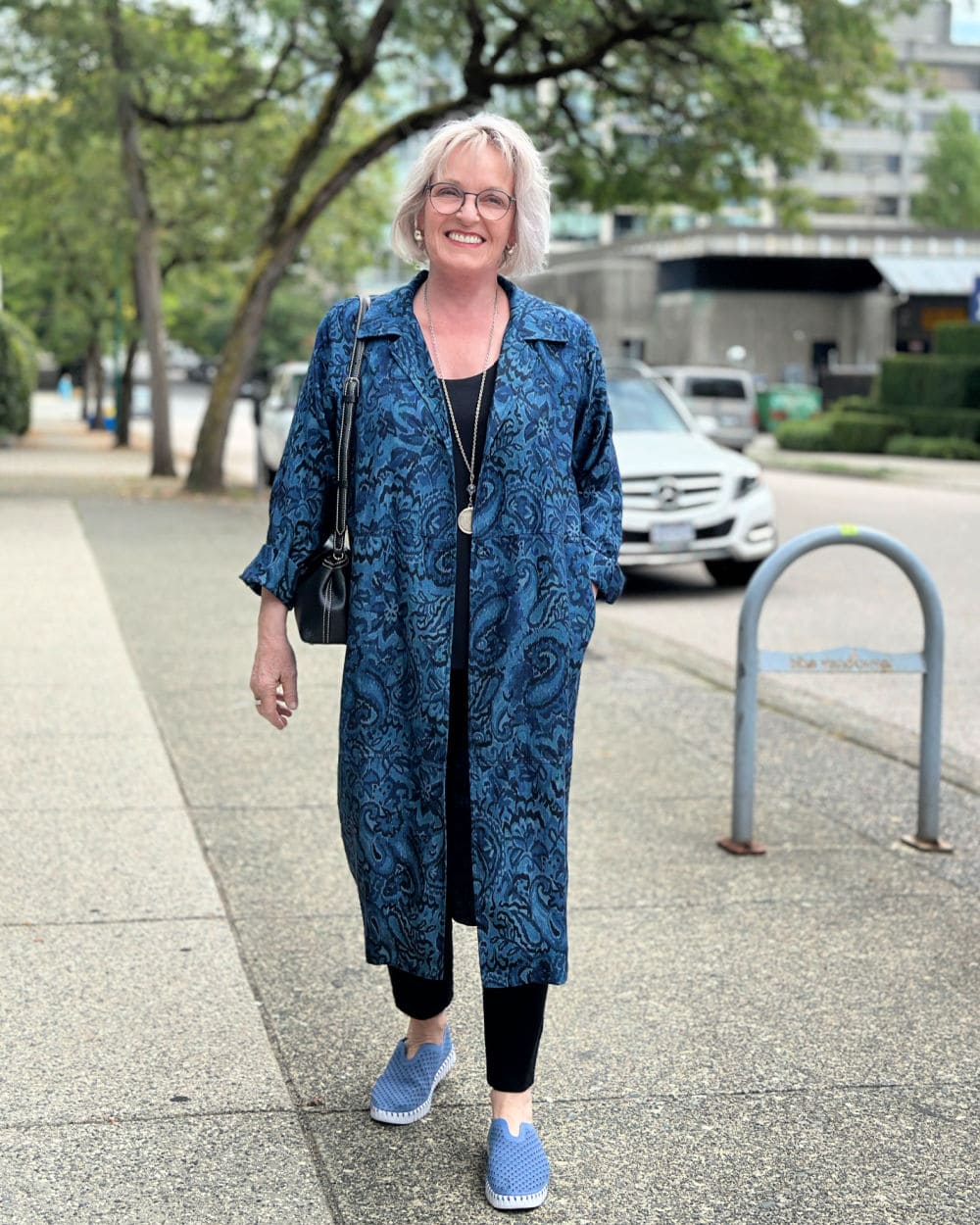
So, how am I keeping my style standards high in this climate? It just takes a bit more strategy and a lot more intention.
Becoming a Savvy Shopper: I check every single tag for natural fibers because I know they’ll stand the test of time. I’ve also stopped boredom scrolling. If I don’t have a specific need for it, I don’t buy it. This keeps me from settling for those mediocre items that just clutter up the closet.
Feel like your shopping habits have been a bit off lately? Read my post on common shopping mistakes and how to avoid them. It’s a great refresher on how to keep your head clear when the retail landscape feels overwhelming.
Consider Slow Fashion Brands: I seek out brands that prioritize ethical production and thoughtful design. They may cost more upfront, but I’d rather invest in one well-made piece I’ll wear for years than cycle through things that don’t last.
If you are looking for a curated list of retailers that still value craftsmanship and cater to a more sophisticated aesthetic, I’ve put together a guide on the best places to shop for mature women that you might find incredibly helpful.
Dressing with Intention: I’m focusing on my personal style rather than micro-trends, choosing pieces I can dress up or down and using tailoring to turn something merely fine into something that looks intentional.
Why I’m Rethinking Staples Altogether
Lately, I’ve started questioning the idea that a great wardrobe is built primarily on staples. Of course, we all need reliable pieces, but I’m finding that they’re rarely what make an outfit feel personal. What actually carries my style forward are the slightly unusual pieces. The ones with an interesting cut, a distinctive fabric, or a detail that feels intentional rather than generic.
When everything in stores starts to look the same, those unique pieces matter more, not less. They do the work of expressing personality when the basics blur together. I’d rather invest in one piece that feels specific and thoughtful than keep adding interchangeable versions of the same “essential.” In a landscape full of sameness, individuality isn’t indulgent…it’s practical.
The more I pay attention, the clearer this becomes: the problem isn’t that fashion has disappeared. It’s that distinction has.
When everything is designed to appeal to everyone, very little feels worth choosing. That’s why I’m shopping differently now. I’m slower, more selective, and far less interested in rounding out a list of essentials.
What holds my attention are the pieces that feel specific. The ones that introduce a point of view, even quietly. Those are the clothes that carry personal style, especially in a market flooded with sameness.
In 2026, buying fewer things isn’t the hard part. Choosing things that actually say something is. Are you still reaching for “essentials,” or are you waiting for something more specific to appear?
A very thought-provoking essay! I am forwarding to my 20-something daughter – she finds shopping for clothes that fit her gorgeous body exhausting…she wants natural fibers and quality construction. We’ve both been sewing for a while and are leaning further into that skill – even if it’s reworking something from a second-hand shop. Thanks for the list!
I’m a shopper and sometimes I can be an impulse shopper. Thanks to your tips and suggestions I have become more selective in what I purchase. I don’t need my closet to be overflowing just with enough selections that I feel comfortable, confident and like to wear.
Thanks for you help in getting me to that place.
Consider the KnitWell group’s impact on women’s fashion: they operate Ann Taylor, Chicos, Haven Well Within, Lane Bryant, Loft, Soma, Talbots and White House Black Market. It’s not your imagination if you think they are all selling the same things.
This is such a timely and accurate post. My girlfriends and I who do still want to look great at the over 70, find clothes out there boring. I have started matching things with my “older” Chico fashions and I keep getting asked; “where did I get it”. Even some of my Chico managers have whispered how boring their fashion is. I do agree Nordstrom is one of the few stores that are somewhat original and still have styles for the older woman.
You echoed my thoughts about shopping for clothing the last several years. I live in a small town so going to the mall and shopping in department stores used to be a nice treat. I liked browsing the new styles and usually saw many things I liked, but that has all changed. As you said, many of the clothes and accessories look the same, have the same cuts and styles, and basically look boring. Shopping is no longer a treat, but a letdown in most cases. I also find myself reaching for my “vintage” pieces from years ago.
I think I have always looked for something specific that best expresses who I am. I have been pulled away at times with so many emphasizing staples and capsules. Sure, I have staples, but I need pieces that say and feel me. I agree that I have been guilty of fast fashion and boredom purchases. I just realized recently how many of those I dont wear due to pore fit and quality.
You totally hit the nail on the head with this one! Perfectly, beautifully said. I cannot agree with you more, thank you!!!
Thank you for your observation. It confirms exactly what I have been feeling. I haven’t purchased anything new since late last summer! Even the fashion colors bore me.
I’ve noticed that when investment funds take over retailers, from department stores to women’s clothing chains that have stood the test of time, blandness, cheapness and demise follow. Example: Why take the chairs out of dressing rooms? How do I know what a pair of pants will look like when I sit down if I can’t sit down?
The department stores are all gone. The clothing chains are closing. Fabric stores have closed, so sewing isn’t an option. I’ll wait for all my current clothes to wear out and worry about it then.
I agree Jennifer. I love to shop and have closets full to prove it, but lately I’ve become a lot more discriminating about what pieces I buy. Even classics from the retailers that I frequent are looking the same.
It’s been nice taking a break from shopping. When I see a unique piece, whether online or in person, that’s what I’ll buy, but even that is becoming less frequent, ’cause frankly, I’m bored. I think you put your finger on why!
Excellent post. Everything you wrote is true. Stores often have limited inventory and some items are only online. I haven’t come across restocking fees for clothing.
That’s going to be a problem. As you mentioned, sizing is not consistent and I often order two sizes to see what fits. The restocking fee will definitely deter me from ordering. I don’t buy much from Amazon.
I can really relate to the sizing dilemma, which is why I don’t like to buy on-line- yet many stores just don’t carry enough inventory for me to be able to try on multiple sizes. However, ordering the same item in 2 different sizes plus in petite or regular is overwhelming!
Great discussion. I think we’re all coming to the same conclusion. I used to enjoy going into department stores and boutiques and even high-end shops to see beautiful things, and learn from the aspirational ones. Covid was a big factor: huge impact on on-line and reduced inventory in stores. But one of the biggest changes has been fast fashion. I’m guilty to a degree – buy my grandkids $6 tees at Target as well as high-priced, long-lasting ones from Hanna Andersson. We are the market and we vote with our $$$. If we do invest in fewer, good quality items, the market analysts will follow and change will happen.
Fabulous article. This really resonated with me.
A very disheartening and heartening piece at one time.
I live in New Zealand with a population of only 5.3 million. Bloggers who cater for mature women are non existent here, hence why I follow overseas ones. We have always had limited options compared to global offerings but there were influences from overseas. Not any more. The homogenised stock has become like wearing a school uniform and tracking down anything outside this box is very wearing on the soul. We increasingly find mass produced, low quality (don’t get me started on greenwashed ‘recycled polyester’ !) goods abound and local designers simply can no longer compete.
So yes, it is disheartening that boutiques are vanishing from our shores but (heartening ?!!) we are obviously not alone given that a country, with a 340 million population, suffers from the same thing.