Keep Detachable Wardrobe Components Identified
Keep detachable wardrobe components connected to actual garment identities and intended roles, rather than combining similar belts or small parts into one interchangeable group.
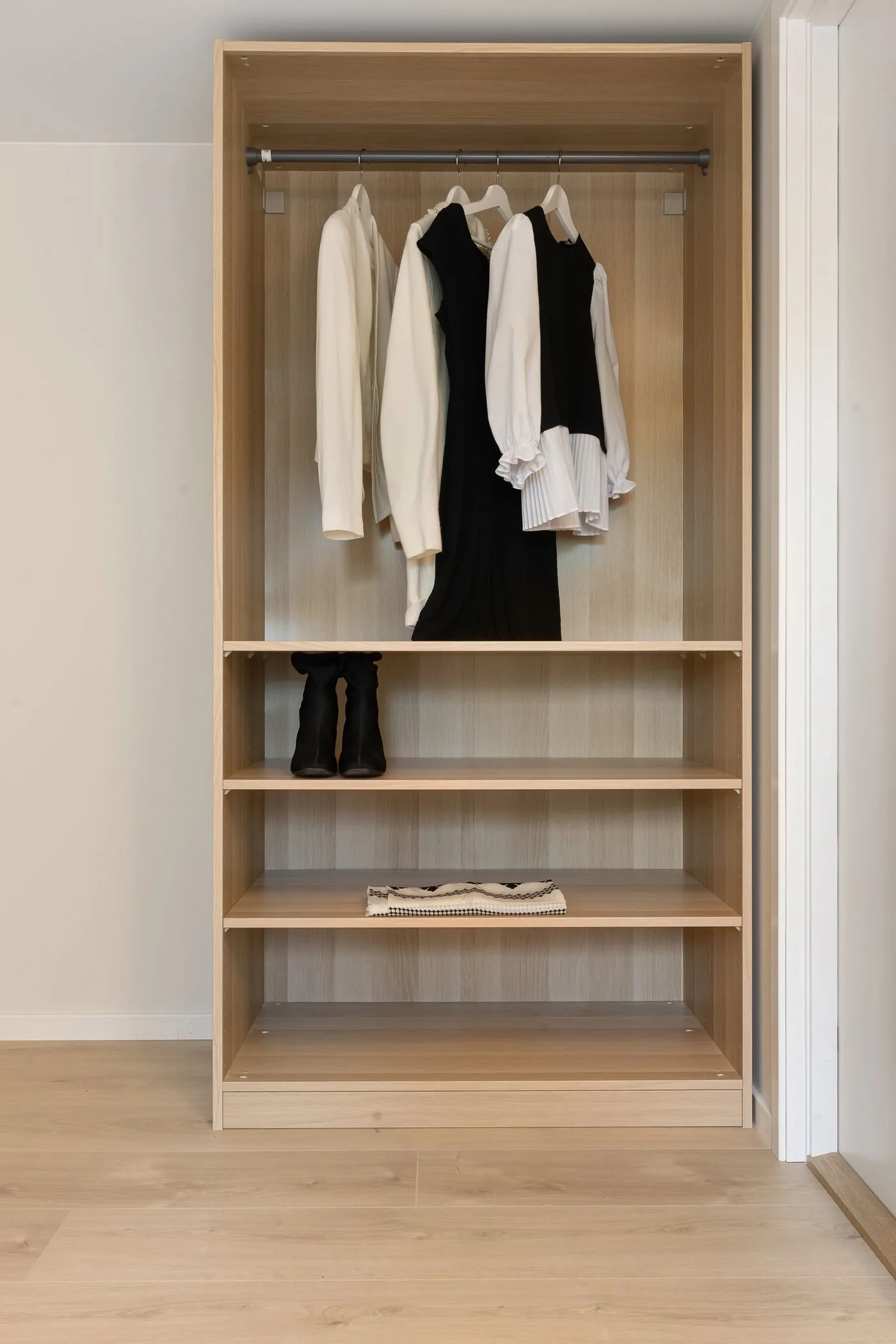
Editorial stock photograph · Source and photographer. Styling illustration; no product endorsement implied.
A wardrobe can contain several loose components whose original garments are no longer obvious. A belt, removable collar or another supplied part may look useful beside several pieces without genuinely belonging to them. Keep the actual identity and intended role clear before treating the collection as interchangeable. A modest reference can preserve information that ordinary storage otherwise loses.
Establish the genuine set
Read retained product information and inspect the relevant garment through appropriate handling. Identify which components were actually included. A styled photograph may show separate accessories, so keep the purchase scope distinct from its visible arrangement.
Do not assign a loose part to a garment solely because their colours or surfaces resemble each other. Similar construction can support a question without answering it. Preserve uncertainty where the available information does not establish the match.
Record useful identity details
Keep the maker and precise garment name where known, with a private image of relevant parts if helpful. Check that the reference contains enough context to distinguish similar pieces. A close photograph of a buckle alone may lose the product connection you need.
Avoid inventing a material or intended function from appearance. If a component’s role is unfamiliar, seek appropriate clarification rather than forcing it through an opening to test a theory. The reference should support a decision, not create an improvised attachment instruction.
Choose suitable storage
Follow relevant product guidance for the garment and its included parts. An existing appropriate arrangement may be enough without a new organiser. Keep identity accessible when a piece is used infrequently and memory is unlikely to preserve every distinction.
If the component separates during wearing or care, give it a deliberate temporary place consistent with guidance. A loose part left among unrelated accessories can become difficult to reconnect with its genuine set later.
Keep unfinished status explicit
A garment waiting for a component question to be resolved should not silently join clothing ready to wear. A brief private note can preserve the actual next step. Tidying a box or rail does not establish that the set has been verified.
When another person helps, explain the real product and task. A vague instruction to “put the belts away” may obscure several different roles. Keep shared communication proportionate without displaying unnecessary personal information.
Review changes honestly
Update an active reference if the set changes or a garment leaves your belongings. An old photograph should not imply that an absent component remains available. Retain historical information only where it serves a clear purpose and does not mislead current wardrobe planning.
A component reference can remain short: the actual garment, its included parts and any unresolved question. It makes an ordinary wardrobe easier to understand while leaving compatibility and care with the relevant product information. That preserves options without turning a box of similar small belongings into an unsupported interchangeable collection.
Related reading
A Closet Edit Without the Rush to Throw Things Away, Belt Width, Buckles and the Trousers You Already Own.
Check your wardrobe first, note the gap you want to fill, then compare fabric, fit, care instructions and the retailer’s current return terms.
Explore our retailer directory →