Color or Go Natural? What’s Right for Your Hair After 60?
Have you ever found yourself staring in the mirror, wondering if it’s time to stop coloring your hair and let your natural color take over? You’re not alone. I reached that point five years ago after decades of frustration with my highlights turning brassy. I finally decided to stop coloring my hair cold turkey, and it’s been quite a journey!

Going gray is such a personal decision, and there’s no one-size-fits-all answer. It depends on lifestyle, upkeep, finances, and even health concerns. Some women love the freedom of embracing their natural color, while others feel their best keeping up with the dye. The beauty of it all? There’s no right or wrong choice—just what feels best for you. Let’s talk about both options, the pros and cons, and how to make the transition if you decide to go for it.
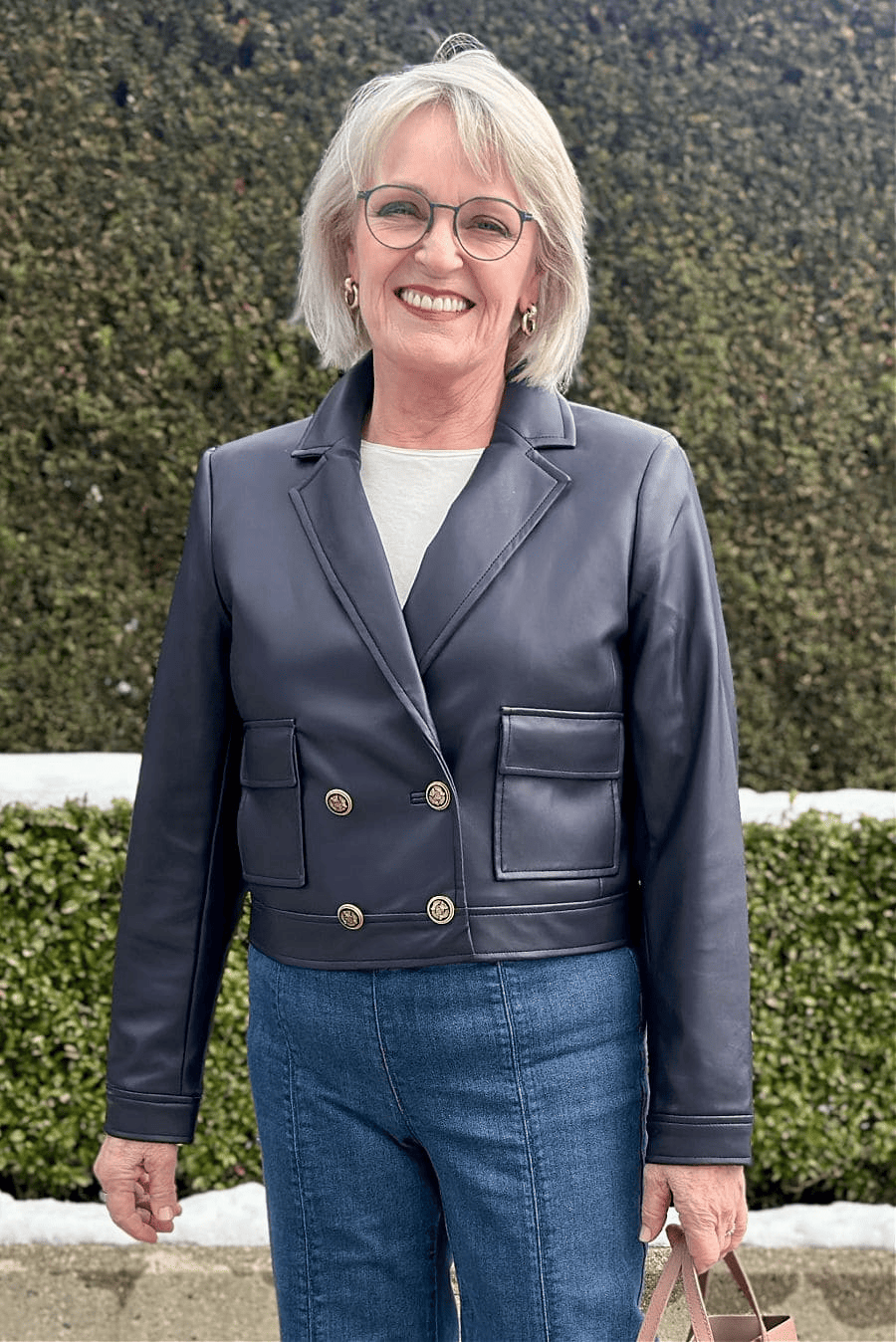
Why Do We Start Questioning Hair Color After 60?
As we age, our hair naturally changes both in color and texture. What once looked rich or vibrant might start to feel a little harsh against our skin. The shade we’ve been coloring our hair for years may suddenly feel like too much or require more upkeep than we’re willing to commit to. You may also enjoy How To Find Your Personal Contrast Level.
At the same time, our priorities shift. Some of us are busier than ever, while others are settling into a more relaxed pace. Sitting in a salon chair every few weeks might start to feel less like self-care and more like a chore. The real question is: Do I still enjoy this, or am I just doing it out of habit?
For many women, confidence grows with age, and the pressure to keep up with societal expectations starts to fade. Gray hair can be just as stylish, modern, and beautiful as any other shade—it’s all about how you wear it.
The Case for Coloring Your Hair
If you love your hair color and it makes you feel great, there’s absolutely no reason to stop. For many women, coloring their hair is about more than just covering grays—it helps them feel polished, youthful, and put-together. The right shade can also brighten your complexion and add warmth, especially as your skin tone shifts over time.
The good news? Hair color has come a long way. If the constant root touch-ups are starting to feel like a hassle, techniques like balayage, highlights, and root smudging can ease the grow-out process, creating a much more natural and flattering transition. Many women over 60 are embracing blended shades that require less upkeep but still deliver a polished, well-groomed look. It’s about finding a hair color strategy that supports your lifestyle and helps you feel confident every time you look in the mirror.
Of course, some women choose to keep coloring their hair, especially if they’re navigating thinning hair. In these cases, the right color can actually add dimension and the illusion of fullness, which can be incredibly empowering. Read about more Haircare Products I Use For My Thinning Hair
There’s no one “right” approach—just the one that makes you feel most like you.
Embracing Your Natural Hair Color After 60
More and more women are choosing to let their natural gray or silver hair shine—and they’re doing it in style. The idea that gray equals “old” is outdated. Instead, it’s about how you wear it. A sleek bob, soft waves, or even a bold pixie cut can make gray hair look sophisticated and modern.
One of the biggest perks of going natural is the low maintenance. No more frequent root touch-ups, no more worrying about fading color, and no more salon bills. Without chemical dyes, your hair can also become healthier, softer, and shinier over time.
That said, gray hair does require some special care. It can be more prone to dryness, frizz, and even yellowing from environmental factors. A good silver shampoo or purple toner can help keep your color bright and fresh, while hydrating hair masks can combat any coarseness.
Of course, the biggest challenge is the transition. If you’re not ready to chop off all your old color at once, the growing-out phase can feel awkward. But there are ways to make it easier.
Wondering how to dress after transitioning to natural gray hair? Check out Choosing Flattering Wardrobe Colors As You Go Gray
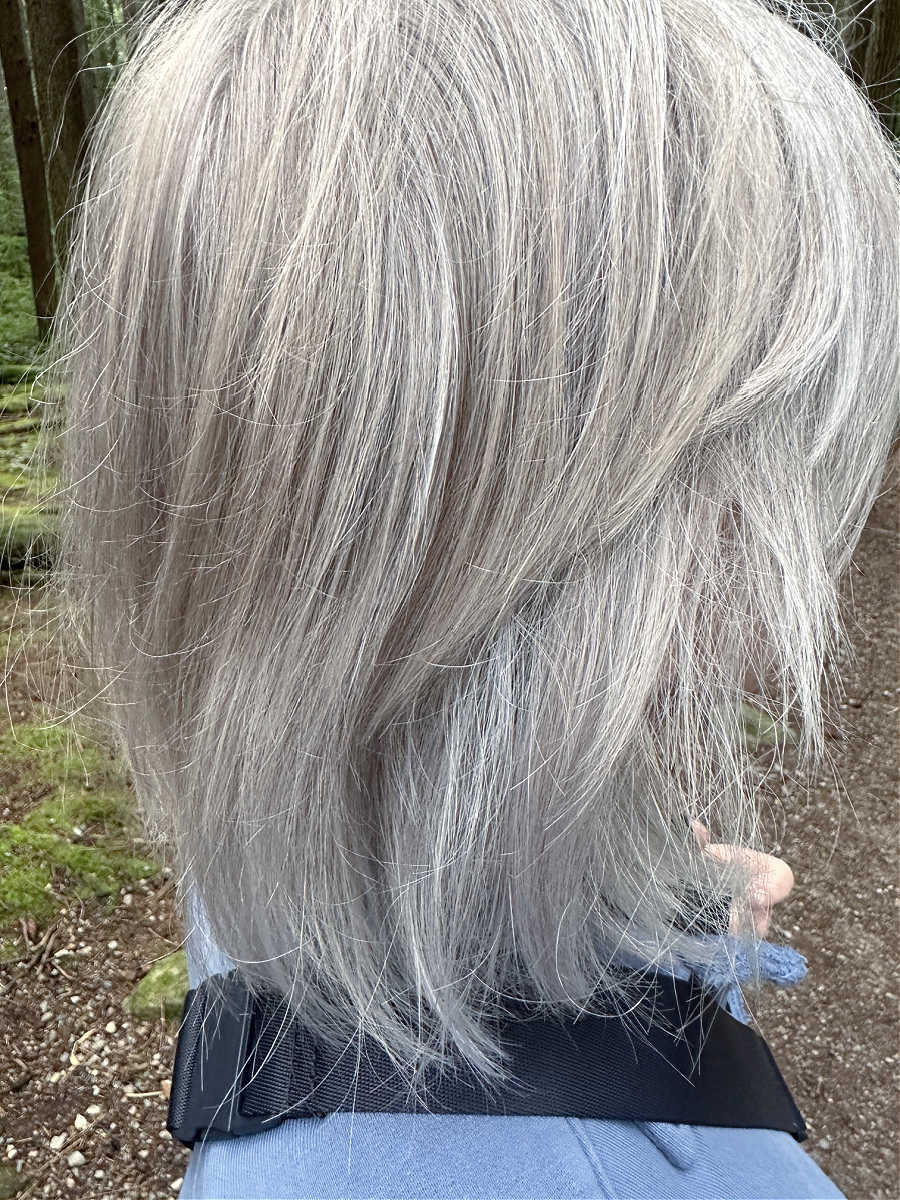
How to Transition to Your Natural Hair Color Without the Awkward Phase
If you’ve decided to embrace your natural color, you don’t have to suffer through a harsh grow-out phase. There are several ways to make the process feel smoother and more intentional.
First, consider working with a stylist to blend your gray with highlights or lowlights. This helps soften the line between dyed and natural hair, making the transition much less noticeable.
If you’re feeling bold, a fresh, shorter haircut can speed up the process. A stylish bob or pixie cut is a chic way to remove some of the old color and showcase your natural shade.
Purple shampoos and conditioners can be your best friend during this phase. They help neutralize any brassiness and keep your gray looking bright and healthy.
Another trick? Adjusting your makeup. Gray hair can sometimes make your skin look a little washed out, so adding a bit more color to your lips or cheeks can bring warmth back to your face. A soft pink or berry lipstick can make a big difference.
What’s the Best Hair Color for Women Over 60?
If you’re not ready to go fully natural but want a lower-maintenance look, there are plenty of beautiful shades that work well for women over 60. Soft, blended colors tend to be the most flattering. Warm honey blondes, rich caramels, and cool ash tones can add dimension and brightness without looking harsh.
Many women also opt for highlights or lowlights instead of a full-head dye job. This creates a softer, more natural look and reduces the need for frequent touch-ups.
The key is working with a stylist who understands how to enhance your natural color rather than fighting against it. A well-done color should complement your skin tone and bring out your best features.
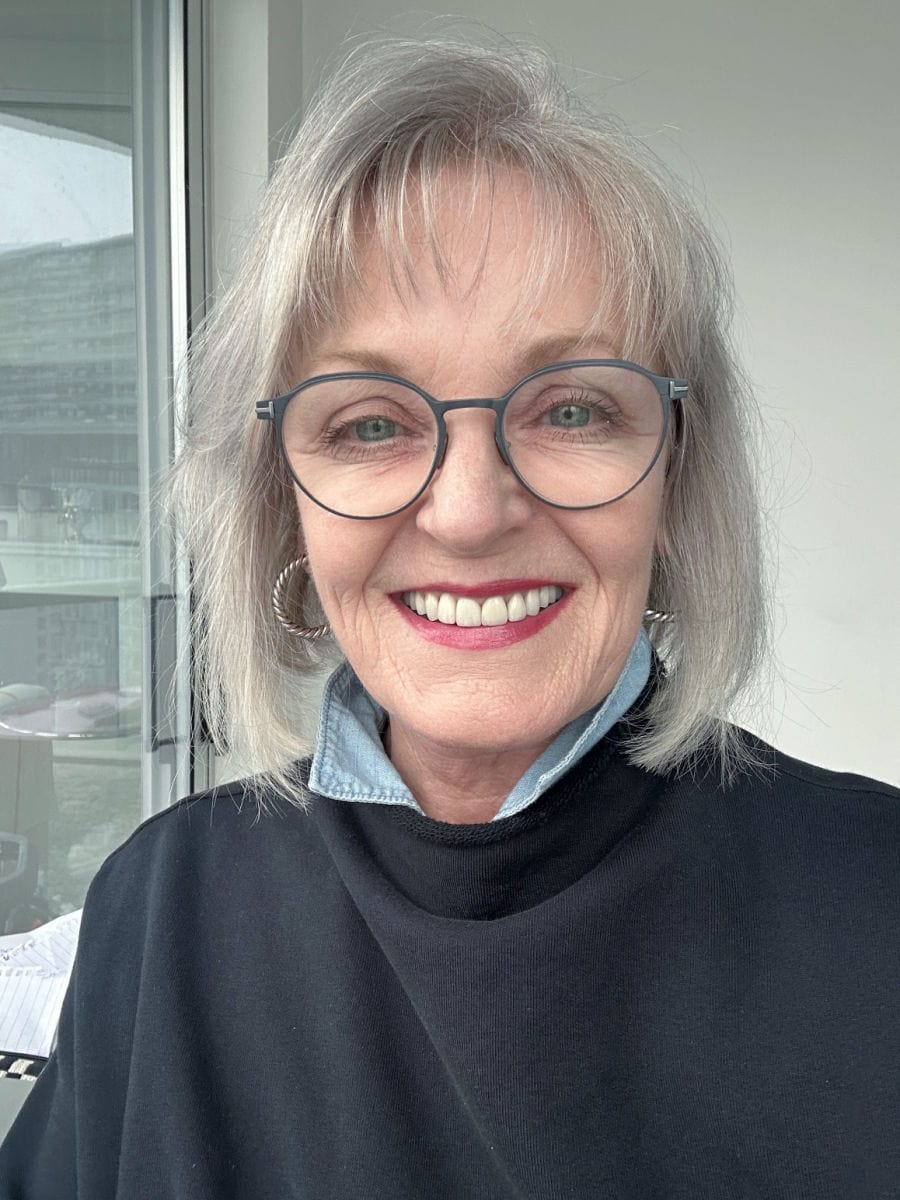
My Personal Hair Journey
For me, going gray was a big decision. I started adding highlights to my hair when I was just 15, mainly because I felt my natural color was missing the brightness. As I got older, coloring my hair also helped with the texture—swelling the hair and giving it more body, which was great for my thinning hair.
But by 2021, I knew it was time for a change. I made the choice to go gray and embrace it fully. The process wasn’t easy, and it’s definitely not for every woman, but it’s been a powerful act of self-acceptance for me. Along the way, many of you reached out to share your own journeys, and your support kept me going.
As the gray has come in, the texture of my hair has changed too—it’s lost a lot of its shine. I’ve missed that brightness, but I’ve learned that this new stage is just as beautiful. It’s been a journey of learning, adjusting, and ultimately embracing this new chapter. I’ve earned every single one of those strands, and they’re a testament to the full life I’ve lived.
Are you embracing your natural hair color after 60, or are you sticking with the dye? Let me know in the comments. I’d love to hear about your own hair journey!
I’m divorced after 22 years of marriage; now 60, and feel I haven’t yet lived an “full life”. I don’t want to go gray; my mom died at 75 with colored brown hair. Single since 46, on SSDI & alimony (which would stop upon cohabitation or marriage & I earned every cent of his climbing the corporate ladder). Seeing grey hair I think would put desire to date me off, and I don’t want to be alone. That’s my take on the issue.
Thank you for sharing. You should do what makes you feel the most confident! Beautiful hair is an asset whether it’s colored or gray. A modern style and healthy sheen is more important than the color.
I just turned 67. I am half grey and half natural. I have decided to let nature work.
I let my hair go natural when I broke my shoulder on my dominant arm at the same time that Covid hit! My husband offered to help with coloring but I couldn’t imagine that working! I found I too lacked the brightness and luster that my blonde provided. The purple shampoo is my best friend! I, also, discovered ” fairy hair!” For those who don’t know what that is…it’s shiny tinsel that comes in a variety of colors which is woven on a strand of hair. I chose the color most like my hair. It adds brightness and a bit of youthfulness for me. It lasts till that particular strand of hair falls out which can be any where from a month to several. Try it you might like it, too.
I started going gray in high school and started coloring at 19. I thought about going natural in my 30s, but didn’t want people thinking my boys were my grandkids! I’ve gone from dark brown to blond over the past 10 years, so I don’t have to color as often. My natural is likely 90-95% white. It is beautiful on my 86 year old mom, but I’m just not ready. That said, I think if my hair dresser plans to retire, I will need a long range plan to go natural!
My hairdresser has retired and I haven’t had it cut since! I need to find someone pretty soon.
I’m in my 70s. I got fed up with colouring my hair in my 60s and have been various shades of pepper and salt and grey as I’ve aged, and now I’m almost all silver. I’ve had a lot of different styles too, as I find it easier to grow now I don’t need to worry about the colour.
It’s ok when you get used to it, and much easier (and cheaper) than all the root treatments.
My hair has thinned slightly over time, but I’m lucky that it’s still shiny, soft and silky, and although sometimes I think that maybe a colour would make me look younger, I don’t regret my decision at all.
If it’s for you, just go for it. You can always change your mind again!
Better be grey and /or white than having a skink line every 5-6 weeks. Looks horrible.
I have decided to go gray at 72. My hairdresser is doing that too, so that has been a support system. I think my hair is mostly a platinum, so I use toners and monthly trims and semi-permanent color to help it blend. I agree that the color in missing from my overall look, but I changed up my makeup, and got professional advice regarding color. I think that I will be glad that I did this. I can always change it back if I want. I did not want to be one of those old ladies with clearly dyed hair!
Platinum is such a gorgeous color!
I stopped coloring my hair during Covid when the salons were closed. My hair had become so dry and brittle from coloring and highlights that it really didn’t look healthy. It is so much healthier, thicker, and more manageable now. I don’t miss the time and expense of the salon visits every 5 weeks to keep the grey roots covered at all. Being retired, and free to travel for extended trips, I also don’t have to worry about being home to get to my colorist on schedule.
I went natural gray after loosing all of my hair during chemotherapy at age 60. I am now 62, cancer free, and I have my gray pixie cut highlighted every 6 months or so. I love the short cut, no roots and I can add brightness when I have an event to go to. You can’t see it growing out so I can stop highlighting whenever I want to.
So glad to hear you are cancer free! Congratulations Michele