Read a Dress Silhouette without Inventing Its Fabric
Read a dress silhouette through several product views, separating a styled outer layer and posed movement from the garment shape you are actually considering.

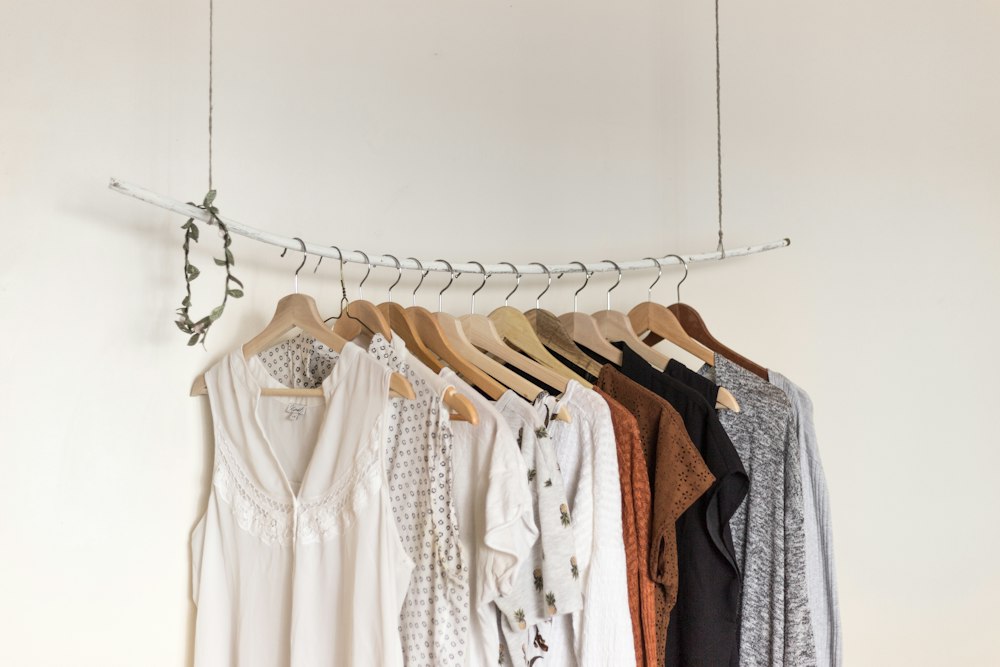
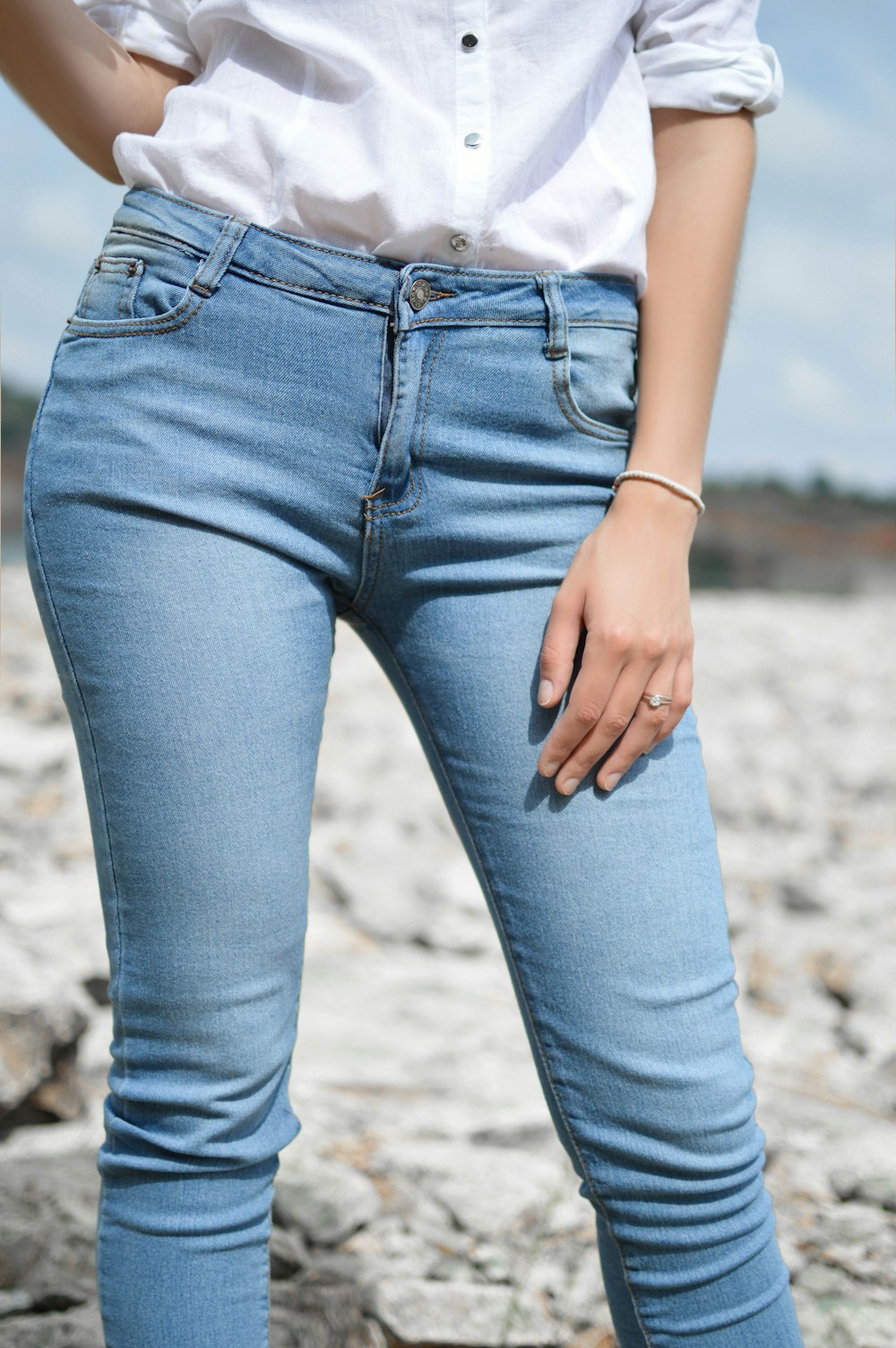
Editorial stock photograph · Source and photographer. Styling illustration; no product endorsement implied.
A dress can appear narrow in one photograph and full in another without either image being wrong. A breeze, a hand on the waist or an outer layer may change what you see. Before ordering, work out which shape belongs to the dress and which belongs to the styling. This is especially useful when the most attractive picture shows only a small part of the garment.
Separate the pieces in the frame
Start by naming the visible objects. A pale base dress beneath a long striped layer is two garments unless the listing explicitly says otherwise. A tied outer belt may create the visible waist even when the dress itself has a different shape.
Find an unobscured front view and compare it with the styled image. If there is no such view, note the specific gap rather than assuming the outer layer is included or attached. Product scope matters before any silhouette comparison can be useful.
Trace three visible lines
Look at the shoulder edge, waist area and lower hem. Does the dress hang from the shoulder, meet a defined seam at the waist or open into a fuller skirt? Describe only the parts the photographs show clearly.
Then inspect the side and back views. A hand placed at the waist can hide spare fabric; a twisted stance can change the visible side line. You do not need to reject a posed photograph, but it should not be the only evidence for a close-fitting shape.
Read movement as context
A lifted or windblown hem demonstrates one moment rather than the resting outline. Look for another view with the garment hanging without being held. If every image shows movement, a written construction description or a specific seller question becomes more useful.
Keep fabric identity separate. A garment that appears fluid is not automatically a particular fibre, and a crisp-looking edge does not tell you every care requirement. Read those details in the actual product description instead of deriving them from the mood of the picture.
Match the shape with an owned outfit role
Choose one realistic use: a seated dinner, a familiar weekend visit or another actual plan. Think about the shoes and layer already available for it. A fuller skirt may offer a different wearing experience from the narrow silhouette you first thought you were seeing.
Ask what attracted you most. If it was the striped outer layer or a dramatic pose, the base dress may not answer the original preference on its own. That is useful information before creating a shopping list around the wrong garment.
Make the unanswered question precise
A useful enquiry names the product and asks whether the waist seam, belt or layer is part of the dress. It does not ask for a general guarantee that the item will suit an occasion.
Keep the answer with the listing and follow the applicable purchase process if you order. Reading shape carefully lets an appealing photograph remain inspiring while making the actual garment, rather than its surrounding styling, the centre of the decision.
Related reading
The Summer Dress Checklist for Everyday Wear, Read a Light Dress Listing beyond Its Styled Background.
Check your wardrobe first, note the gap you want to fill, then compare fabric, fit, care instructions and the retailer’s current return terms.
Explore our retailer directory →