
What to Do When Someone You Love Passes: Etiquette and Support
I recently lost a dear friend, and it’s had me thinking about how we show up for each other in times of loss. Funerals and celebrations of life can feel overwhelming to navigate, especially as we get older and find ourselves attending them more often. Do you go? Do you send flowers? What do you say when no words feel quite right? None of it feels simple when your heart is heavy.
What I’ve learned over the years is that it isn’t about doing everything perfectly. It’s about presence—whether that means sitting quietly in the pew, sending a card, or making a call weeks later when the loneliness sets in. However small, those gestures matter. They remind us we’re not alone.

Should You Attend the Funeral or Celebration of Life?
When you hear of someone’s passing, the first question is often whether you should attend the service. The answer usually comes down to your relationship with the person or their family.
- If you were close: Your presence is a comfort. Even if you do not know what to say, simply showing up speaks volumes.
- If you knew them casually but care about the family, Attending is still thoughtful. It shows respect for the person’s life and lets the family know they are not alone.
- If you cannot attend: Life does not always make it possible. In that case, send a note, flowers, or a donation in their memory to acknowledge their loss.
As we age, we often balance multiple responsibilities such as caring for parents, supporting children, or managing health. If travel or timing prevents attendance, it does not mean you do not care. A heartfelt note or phone call can still mean everything.
What’s the Difference Between a Funeral and a Celebration of Life?
Funerals today are not always the solemn black-clad services we remember. Some families hold a celebration of life in place of a funeral, while others opt for both. It might take place in a church, at a favorite park, in a community center, or even in the family’s backyard. Guests may be invited to wear brighter colors, bring photos, or participate in activities that represent the person’s passions. The tone may differ, but the intention is the same: honoring the person in a way that reflects who they were.
It is perfectly acceptable to ask ahead what the service will be like so you can prepare. Whether traditional or more modern, your presence and respect remain the most important gestures.
Do You Send Flowers?
Flowers are a long-standing tradition, but they are not always expected. Here are some things to consider:
- Check the obituary: Families often specify whether they prefer flowers or donations.
- Religious or cultural preferences: Some traditions do not emphasize flowers, so respect those wishes.
- If in doubt: A simple bouquet or plant delivered to the home after the service is a gentle way to let the family know you are thinking of them.
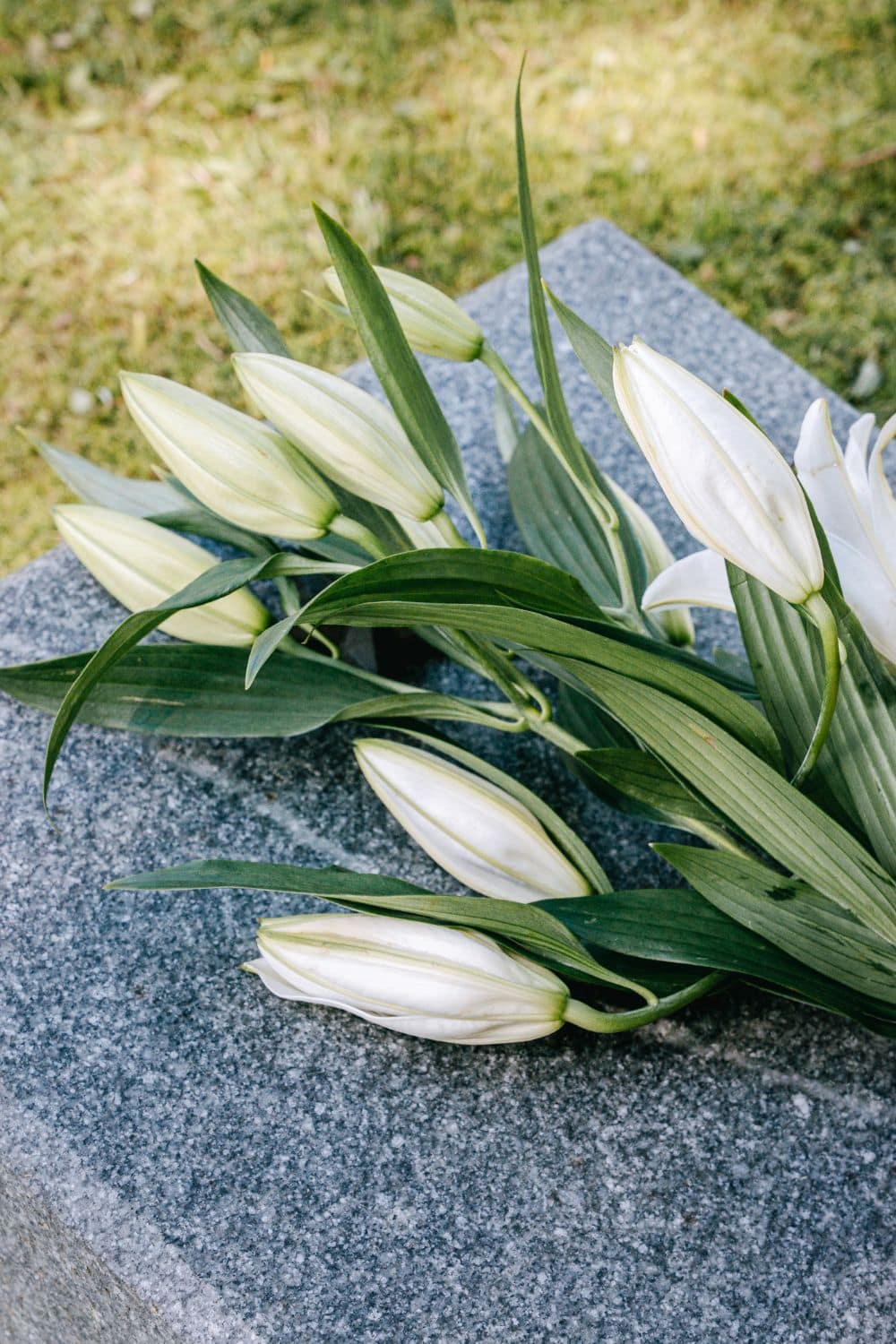
Specific Flower Options
- Lilies: Often considered the traditional funeral flower because they symbolize the restored innocence of the soul.
- Roses: White roses represent reverence and humility, while pink roses express gratitude and appreciation.
- Orchids: A living orchid plant is long-lasting and symbolizes eternal love.
- Hydrangeas: A potted hydrangea can be planted later in a garden as a lasting memory.
- Peace Lily Plant: A common sympathy gift because it can be kept indoors as a reminder of ongoing support.
Trusted Florist Sources
- Local florists: Ordering locally ensures your arrangement is fresh and timely, and many families appreciate supporting small businesses.
- Online services like 1-800-Flowers or Teleflora: These can be helpful if you live far away. Many of them offer same-day delivery.
- Retailers like Costco and Trader Joe’s: Affordable and high-quality options if you prefer to bring flowers in person.
Donations in memory of the person have become increasingly common. If the family designates a charity, contributing there is one of the most meaningful ways to honor the individual.
What to Say at a Funeral (and What Not to Say)
Knowing the right words can feel impossible. The truth is, nothing you say can fix the loss, but a few words of kindness matter.
Things you might say:
- I am so sorry for your loss.
- I will miss her laugh. (Sharing a specific memory can be comforting.)
- You are in my thoughts.
Things to avoid:
- When talking about what not to say: If the sentence starts with ‘At least…’—stop. Nothing good ever follows that.
- Trying to explain the loss or offer solutions.
Sometimes silence and a hug communicate far more than words.
How to Honor the Person Who Passed
Honoring someone does not end when the service does. In fact, some of the most meaningful gestures happen afterward.
- Share stories: Keep talking about them. Mention their name, their quirks, and the things that made them special. Hearing their loved one’s name keeps their memory alive.
- Remember important dates: Birthdays, anniversaries, or the anniversary of their passing can be especially hard for family members. A quick call, card, or text on those days lets them know you remember too.
- Do something they loved: Plant their favorite flowers, cook their signature recipe, or donate your time to a cause they cared about.
- Include them in conversation: A casual “She would have loved this” goes a long way.
Supporting Loved Ones After the Funeral
Grief does not end when the service is over. In fact, it often gets harder once the crowds fade. This is where your support can make the most difference.
- Check in regularly: Do not worry about bothering them. A simple “I was thinking about you today” is often exactly what they need.
- Offer practical help: Drop off a meal, mow the lawn, or run an errand. People often do not know how to ask for help, but small actions speak loudly.
- Be patient: Grief does not follow a timeline. Some people seem fine after a few weeks, while others struggle for years. Stay open and understanding.
As we age, we often become the steady presence for others. We are the people who remember, who check in, and who keep connections alive. It is one of the gifts of growing older: we understand how fleeting time is, and we know how important it is to hold each other close.
What if You Are the One Grieving?
Sometimes, you are not just supporting someone else. You are living through the loss yourself. In those moments, give yourself grace. Accept help when it is offered. Let others sit with you in the hard moments.
Celebrations of life are a reminder that we are meant to be part of a community. Allow yourself to lean on it.
Frequently Asked Questions
What should I wear to a funeral or celebration of life?
A funeral usually calls for dark, subdued clothing that does not draw attention away from the purpose of the day. A celebration of life may be more relaxed, but it is always best to dress respectfully. If the family requests a certain color or attire to reflect the person’s personality, it is appropriate to follow their wishes.
If you are wondering more specifically about what to wear, I’ve put together a full guide here: What to Wear to a Funeral or Memorial Service.
Should I bring food to the family?
Food is almost always welcome, especially in the days following a service. If you’re not sure, you can ask a family member or close friend what would be most helpful. Meals that are easy to reheat or freeze are often appreciated.
How long after the funeral should I check in?
There is no set rule. Checking in within the first week is thoughtful, but the most meaningful gestures often come weeks or even months later, after the initial rush of support has faded.
Is it appropriate to send a card even if I did not know the person well?
Yes. Sending a sympathy card shows care and respect. A simple message such as “I am thinking of you and your family” can mean a lot, even if you did not know the person closely.
Why Presence Means More Than Perfection
As I’ve learned through losing people I’ve loved, grief doesn’t end when the service does. Some of the most meaningful comfort comes later—a phone call on a hard anniversary, a story shared over coffee, or simply hearing their name spoken aloud. Those small gestures matter more than anything else.
It isn’t about saying the perfect words or following every bit of etiquette exactly right. What matters is presence—showing up with kindness, however you can. Love doesn’t stop when life does, and the steady care we offer each other afterward is what carries us through.
Have you ever received a gesture during a time of grief that has stayed with you? I’d love to hear what felt most comforting
My husband died just 10 days ago. We met later in life and had 15 amazing years together. He had been under hospice care the last eight months, and his goal was to make it to our anniversary and be aware. He managed both, I think at great cost to him, and died the next night. I had been surviving on coffee and water for about three weeks. A dear neighbor friend brought a stock of paper plates, sliced ham, Swiss cheese, Hawaiian rolls, bbq sauce, homemade brownies, and mixed fruit the morning after I called her. She said it would keep me going when I could manage a bite. She was right. Such a simple gesture meant the world when there were so many things to do immediately, and she knew I hadn’t been eating. Another dear friend, over 1,000 miles away, sent a custom Spoonful of Comfort box with my favorite soup and cookies, as well as other things, a week after Mike’s death. Again, perfect timing and the perfect gift. I had just run out of the ham, etc., and couldn’t face fixing anything, so had started fixing a pot of coffee when UPS rang the doorbell. It was exactly what I needed, when I needed it, plus her note inside the box is a treasure. It’s not just the food. The cards. The cards I’ve received are so poignant and full of love. We didn’t have a funeral, obituary, or big gathering—they weren’t wanted. I will have several separate lunches with family and various different groups of friends, just as my husband wanted. Small, more personal gatherings to share, laugh and remember the joy and fun that was Mike. Do what you feel comfortable doing. I have found the cards and emails tremendously comforting. No grand gesture is needed or expected. Just be there. A card, phone call, or email from across the world. Each will be welcome and appreciated.
I’m so terribly sorry to hear about your loss Judith! My heart and prayers go out to you. Thank you for sharing this.