
How to Wear Black If It’s Not Flattering On You
Black is undeniably timeless, sophisticated, and versatile. Many women have an entire wardrobe of black (I’m raising my hand) because it’s easy to wear, available in most styles, and a snap to travel with. But does black look good on everyone? The simple answer is, no. If you love black but feel it isn’t naturally flattering, understanding seasonal color analysis can help you tailor how you wear it. Let’s explore how to wear black if it’s not flattering on you by focusing on the color palettes recommended for each season.
Seasonal color analysis varies greatly depending on the system used, and many systems now divide it into 12 or 16 sub-seasons. Because personal color analysis is so nuanced, we will use the generalities of the 4 primary seasons…Winter, Spring, Summer, and Autumn as a guideline.

As we age, changes in skin texture and contrast levels can also make black less flattering. Cool skin tones have an easier time wearing black than warm skin tones but intensity and contrast is important so you may enjoy reading more about your personal contrast level.
1. Know Your Seasonal Color Type
Winter (Cool, Deep, High Contrast)
Winters typically have cool undertones, clear contrasting features (like dark hair and lighter skin), and often wear black well. Winters usually look striking in deep, bold colors, which means black can enhance their naturally high contrast.
- Style Tip: Pair black with bright jewel tones (emerald, ruby, sapphire) for maximum contrast.
- Consideration: Even though black usually works, adding cool-toned accents—silver jewelry or a vibrant scarf—can prevent a head-to-toe black outfit from feeling too severe.
Summer (Cool, Soft, Muted)
Summers have cool undertones but lower contrast—think ash-blonde or light-brown hair color and soft, muted eye colors. The coolness of black works for their undertone, but the depth can easily overwhelm their gentle coloring and pale skin.
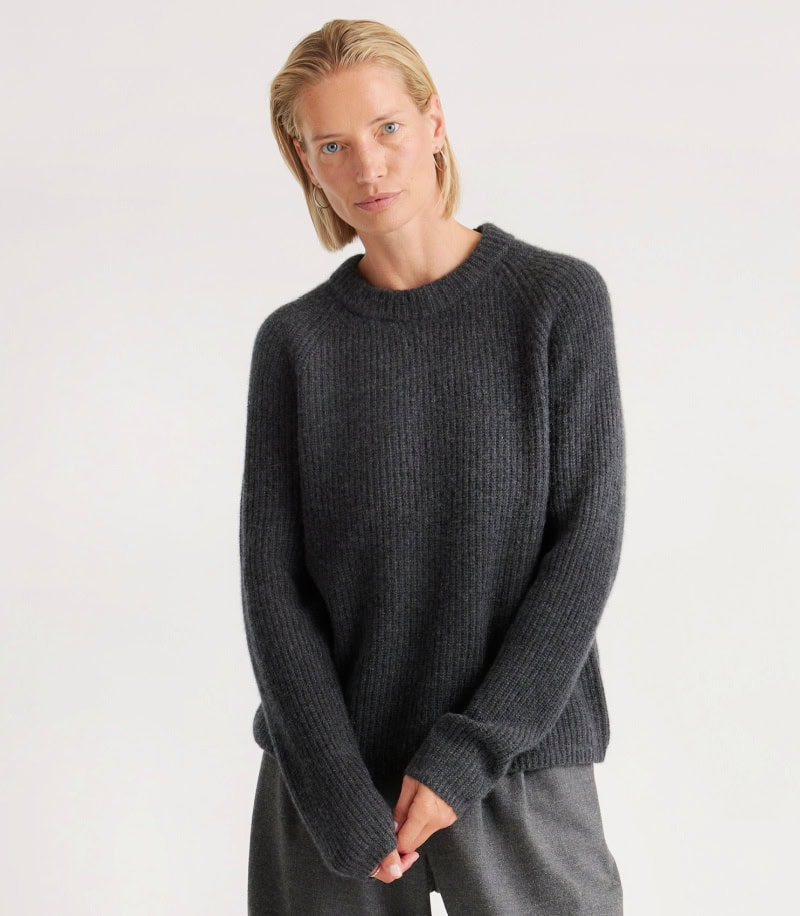
- Opt for softened shades like charcoal, gunmetal, or smoky gray instead of pure black.
- If you must wear black, place it away from your face (like pants or a skirt) and use cool, paler colors or pastels near your face for balance.
- Bumping up the intensity of your makeup can help black look more flattering.
Autumn (Warm, Rich, Earthy)
Autumns typically have warm undertones, medium to deep hair colors, and rich eye colors. Pure black’s cool undertone can clash with their warmth and make their skin appear washed out and dull.
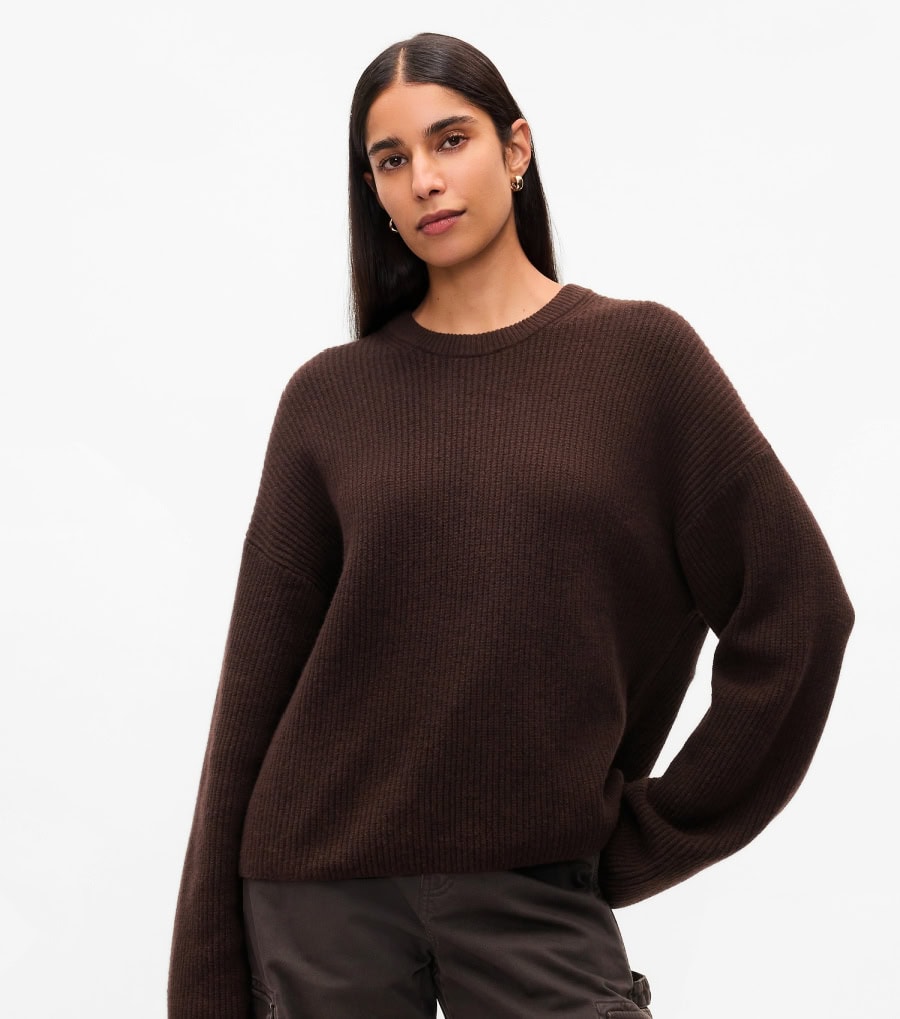
- Replace true black with deep browns, mahogany, or warm charcoal. To integrate black seamlessly, consider layering warm accessories—like gold earrings or a rust-colored scarf.
- If you do wear black near your face, balance it with warm-toned makeup (bronze, copper, or rich neutrals).
Spring (Warm, Light, Clear)
Springs typically have fair skin with warm undertones, bright, clear eyes, and lighter hair. Pure black may appear too harsh against their fresh, light coloring.
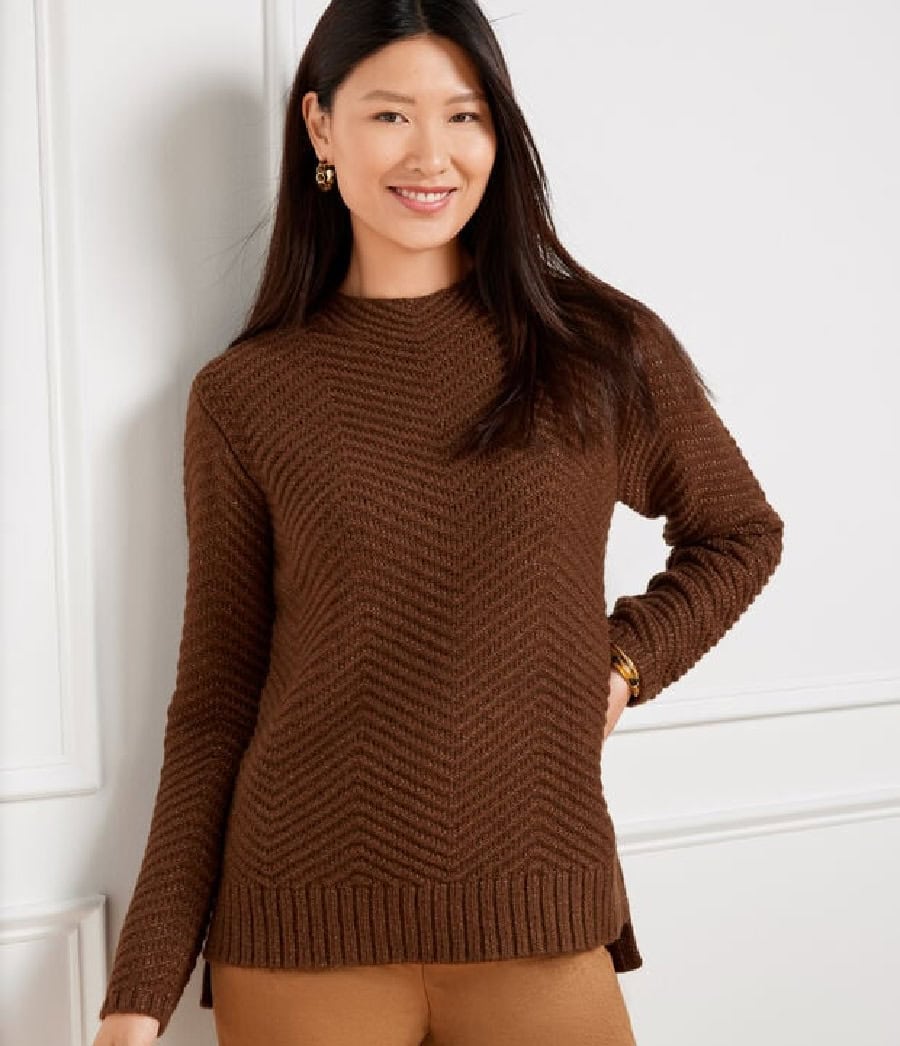
- Warm charcoal, warm brown, navy, or a deep taupe are softer alternatives to jet black.
- If you choose black, pair it with bright, warm accessories or bold lipstick (like coral or peach) to keep the overall look vibrant.
2. Choose the Right Fabric and Texture
When learning how to wear black, if it’s not flattering, understand that not all black fabrics are created equal.
- Sheer or lightweight fabrics have a softer effect and can be a great option for Summers or Springs
- Textured or Matte Fabrics like tweed, suede, or brushed cotton can warm up black making it easier to wear for Autumns.
- For Winters, sleek textures like satin, leather, or crisp wool can enhance their natural contrast.
3. Balance Black with Other Colors
- Winters can wear black with other bold, cool colors (magenta or electric blue) for a striking contrast.
- Summers can pair black with pastel or dusty tones (lavender, rose, or soft gray) to soften the outfit.
- Autumns can complement black with earthy or warm accents (rust, mustard, olive) for a harmonious look.
- Springs can add pops of light, bright shades (coral, turquoise, peach) to maintain a fresh, lively appearance.
4. Try Softer Shades of Black
If jet black seems too stark, near-black alternatives can provide a flattering alternative.
- Summers can opt for charcoal, medium gray, or deep navy.
- Dark chocolate, espresso, or warm charcoal are flattering alternatives for Autumns.
- Deep navy or warm taupe are a great option for Springs.
- Winter is the most flattered by black, but consider contrasting accents.
Final Thoughts On How To Wear Black If It Doesn’t Suit You
An obvious way to wear black so that it doesn’t wash you out is to wear it further from your face, either with a lower neckline or on the bottom half of your outfit. Adding a scarf in a flattering color near your face can soften the effect of black. By choosing suitable fabrics, pairing black with complementary hues, and incorporating strategic makeup and accessories, you can wear black confidently—even if it’s not your best color on paper.
Do you wear black, knowing it’s not the most flattering? Are you a devotee of seasonal color theories and would you be interested in more on the topic?
It’s been years since I had my colors done but I don’t know why I wouldn’t still be a spring…..still have blonde hair, may never go grey, although probably because of the underlying grey hair I am now a lighter blonde. You say for springs to pair black with warm accessories…..like gold tone jewelry? I wear both silver and gold jewelry depending on what color my top is that day.
I am a cool summer and wear black often as I am a musician. It doesn’t look flattering on me with my light hair, fair skin and blue eyes.. but I have to wear it when I play. Interesting as I am going through my closet, I have quite a few black casual tops! Time to do a wardrobe refresh!,
Black isn’t my best color but it’s cool, which is more flattering than warm on my true summer complexion.
Years ago I had my color analysis done and was told I am a Winter. Now my dark hair has turned grey. Am I still considered a Winter?
Yes, you would still be a winter. Your season does not change…unless they typed you incorrectly in the first place.
I’m a blue Autumn and I do occasionally wear black on my bottom half. But, dark brown, warm navy, and dark olive are my best dark colors. Even though I stopped coloring my hair about 8 years ago, it’s still quite dark and I still have medium high contrast between my hair and skin. I think the higher contrast level helps make the black look a bit less harsh on me.
I love navy more than black and even though I have low contrast; I love black and white. When I do wear all black, I usually add a turquoise necklace or earrings. I love turquoise with black or navy.
My message disappeared so yes I would be interested in more on color as I can’t afford professional analysis.
Great article. Food for thought to branch out color wise…. I still haven’t figured out what season my colors are, but I do look great in black & white. It’s my go to…….with the occasional pink, red & olive greens…..Happy Valentines
Happy Valentine’s Day Nancy