A Light-Garment Reference with Its Image Limits Clear
Use a light-garment reference for visible outfit context while preserving its image limits, keeping product identity and written details separate from the styled photograph.
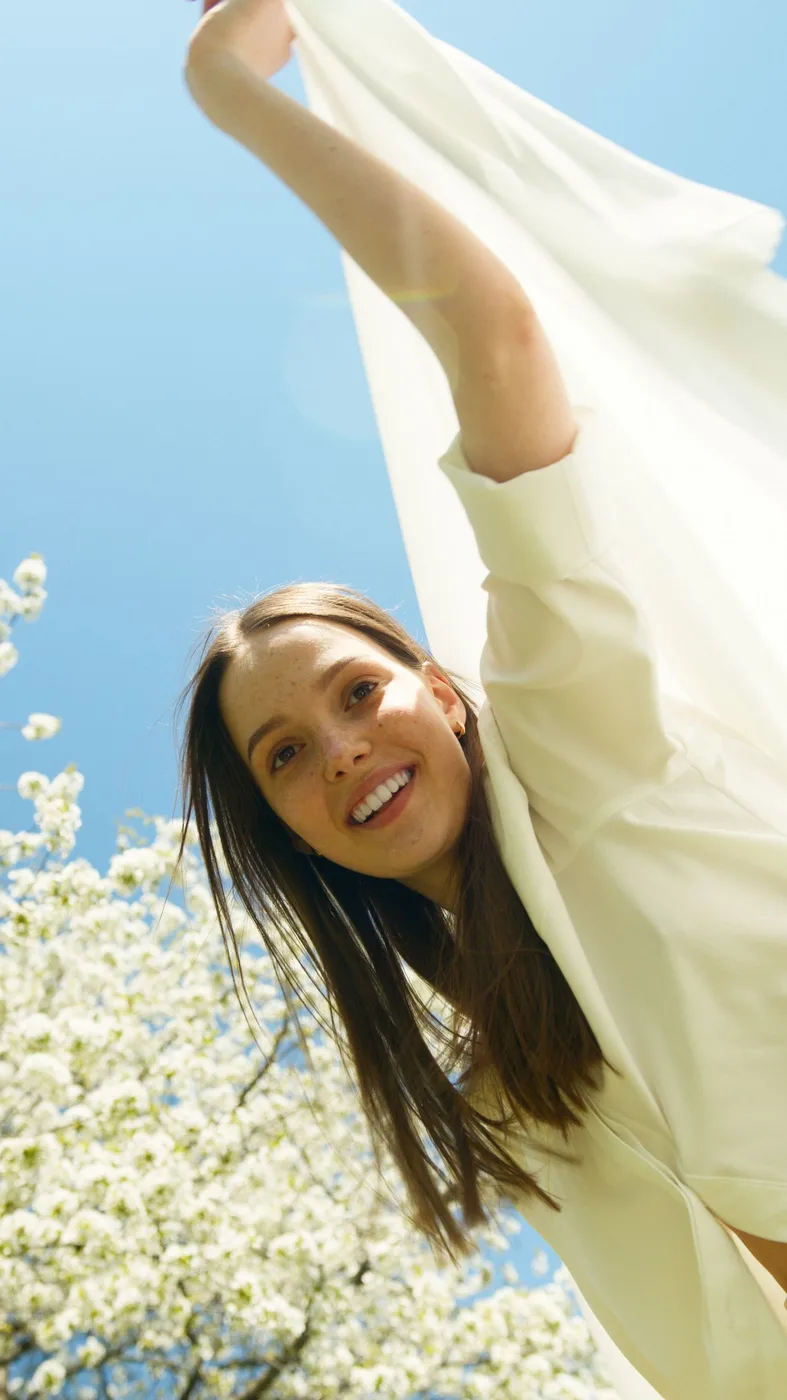
Editorial stock photograph · Source and photographer. Styling illustration; no product endorsement implied.
A flowing light garment can become the memorable part of an outfit photograph even when its exact shape is partly hidden. Bright light, movement and a cropped view can make a dress, shirt or layer difficult to distinguish. Keep that uncertainty visible before using the image as a shopping reference. Its appeal does not require a precise product claim the photograph cannot support.
Describe what is actually visible
Use neutral language for the visible garment and arrangement. A pale flowing surface can be observed without assigning a fabric or a specific garment type when the crop does not establish it. Keep your description tied to the image rather than an imagined complete outfit.
Notice what remains outside the frame. A hidden lower edge or opening cannot be recovered by assuming the construction of a familiar piece. A useful reference can have a clear missing detail instead of an invented answer.
Preserve source context
Keep the image’s source where appropriate and distinguish any supplied caption from your own observation. If the caption does not identify the actual product, do not treat a similar retailer image as confirmation without further evidence.
Save or share images only in a context you are entitled to use. A private inspiration note can remain modest and need not become a public product recommendation. Keep unrelated personal information out of the record where practical.
Separate visual interest from a purchase brief
Name the detail that attracts you: perhaps a visible layer relationship, a pale area against a background or the amount of movement in the image. That interest can guide an experiment with existing suitable clothes without requiring an exact duplicate.
If you want to buy a particular garment, read actual product information for the item under consideration. Material, dimensions and care need their own evidence. A bright photograph should not become a substitute specification merely because its mood feels clear.
Review your own clothing independently
Try familiar pieces in a suitable space and assess the actual outfit with ordinary movement. Include the intended shoes, bag and layer transitions. The reference records a visible moment rather than an account of daily use.
Look at colour in suitable light and retain the limits of screens and camera processing. A pale garment in one image does not establish a precise match with another product photographed under unrelated conditions.
Keep the resulting note honest
Record the actual pieces you tried and the specific image detail that helped. Leave product identity or construction questions unresolved where evidence remains incomplete. Another reference can answer a different question without making the first one more authoritative.
A limited light-garment note preserves useful inspiration while respecting what is hidden. It lets a bright styled image contribute to personal preference without turning its crop, motion or background into unsupported facts about clothing you may later choose.
Related reading
The Daylight Check for a Light-Coloured Shirt, The Summer Dress Checklist for Everyday Wear.
Check your wardrobe first, note the gap you want to fill, then compare fabric, fit, care instructions and the retailer’s current return terms.
Explore our retailer directory →