Choose the Visible Base beneath an Open-Textured Knit
Choose the visible base beneath an open-textured knit, comparing colour, neckline and the complete indoor outfit so the small gaps remain part of an understood layered arrangement.
Editorial stock photograph · Source and photographer. Styling illustration; no product endorsement implied.
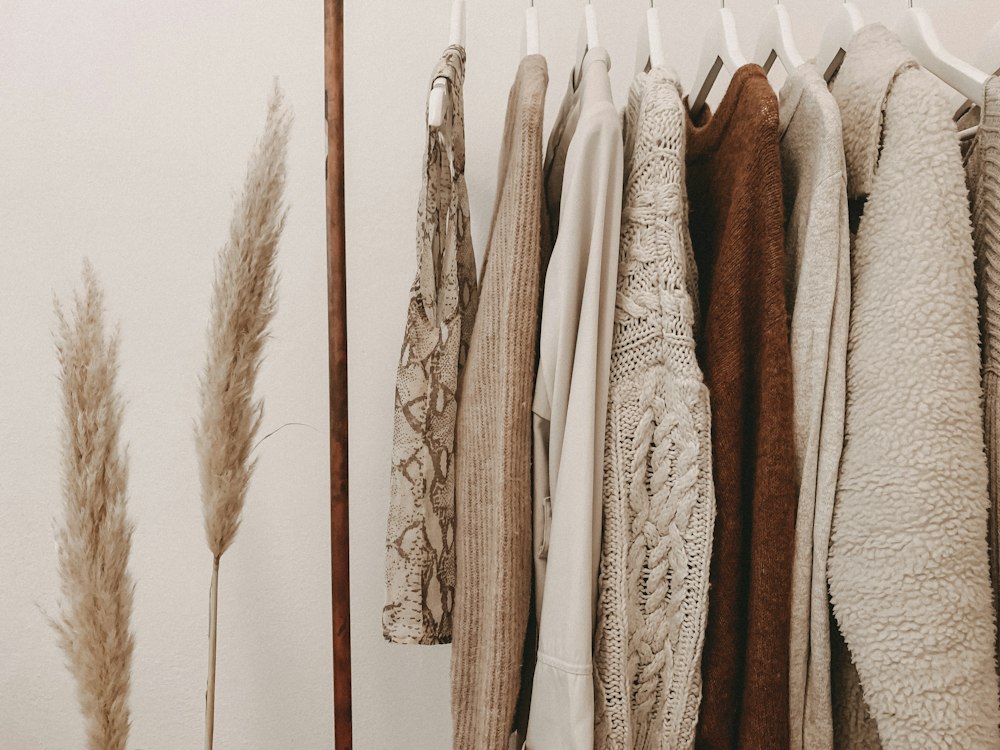
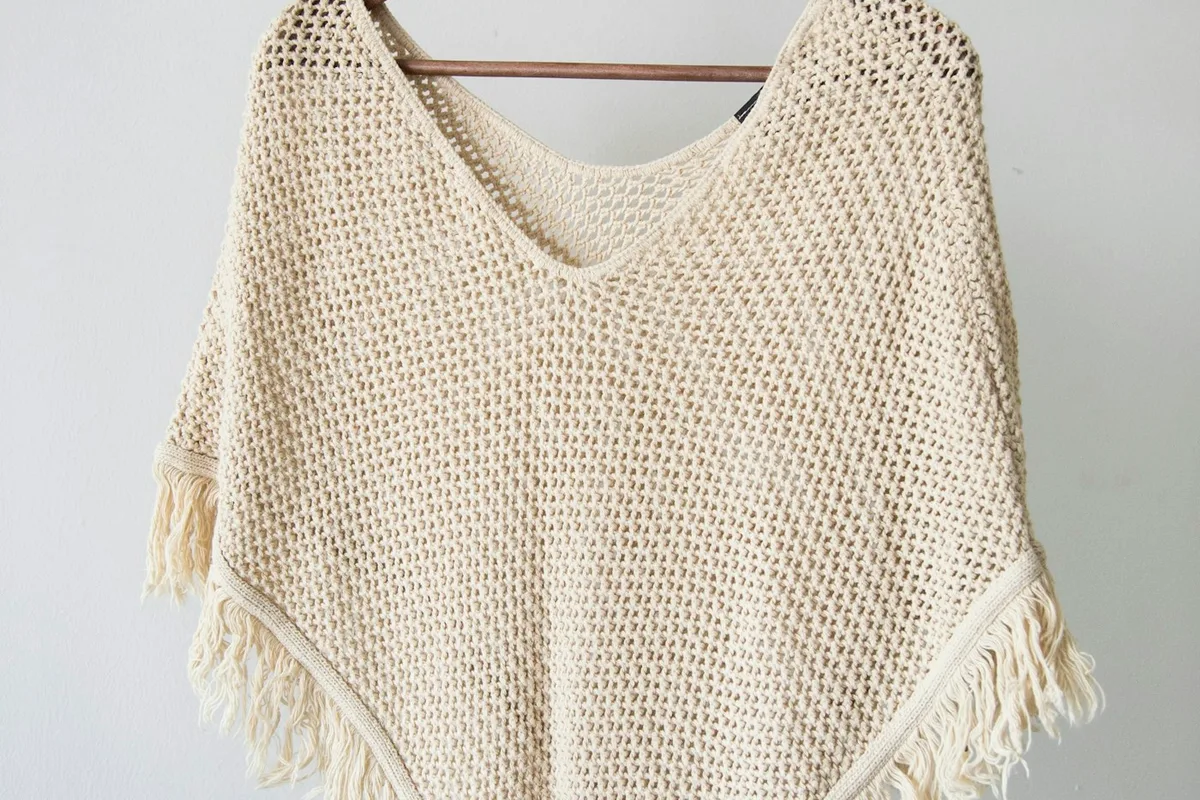
An open-textured knit creates a pattern from both yarn and the gaps between it. The base beneath therefore contributes to its appearance rather than disappearing as an invisible supporting layer. Compare actual garments already owned before buying another base top. A pale knitted piece on a hanger can suggest softness and texture, but only the complete outfit shows what will remain visible through it during ordinary wear.
Identify the knit you have
Look at the actual garment's openings, hem and intended construction. A loose fringed shape can behave differently from a fitted sweater. Use the item's known information for composition and care rather than assigning a material from its appearance.
Choose normal appropriate use and let the knit settle. Do not force an unfamiliar fold to conceal a gap for one picture. The useful comparison follows the arrangement likely to remain while moving through the day.
Compare a close and contrasting base colour
Try a suitable owned base near the knit's tone first. The gaps may become quieter because the two surfaces appear related. Then compare a darker or otherwise contrasting suitable base while keeping the rest steady.
The contrasting version makes the open structure more distinct. That can be the point of the outfit rather than an error. Decide whether you want the yarn shape or a softer overall area to lead, using the real items in ordinary available light.
Read both necklines together
Look at where the base edge appears inside the knit opening. A narrow line and a broad visible section create different shapes. Neither should be assumed from a product image of the outer garment alone.
Keep the base's role clear without the knit as well. If the outer layer comes off, the remaining top and lower garment should still form an understood outfit. This is especially useful when the knit is being carried as an optional layer rather than worn throughout the day.
Include sleeves and lower overlap
A base sleeve can create another visible edge at an arm opening, while its lower hem may appear below the knit. Check those areas in the complete outfit, not just a portrait around the neckline.
Use ordinary movement and let the clothes settle again. A seated view can reveal a different amount of the base. If one arrangement requires repeated adjustment, note that practical tradeoff separately from the attractive colour relationship.
Choose the simplest sufficient version
Keep jewelry out of the first comparison so the two fabric layers remain clear. An open texture already supplies repeated detail. Another necklace can be tried later if it has a role you prefer, rather than added to fill every visible area.
Record the actual base and knit combination with its useful contrast. A near-tonal base can remain quiet; a darker one can make the open pattern deliberate. Understanding that choice gives the knit more than one real option without assuming a new underlayer is required each time it is worn.
Related reading
Giving a One-Colour Outfit Depth with Texture, A Knitted Vest That Layers Comfortably over Shirts.
Check your wardrobe first, note the gap you want to fill, then compare fabric, fit, care instructions and the retailer’s current return terms.
Explore our retailer directory →