Books on Healthy Aging and Self Development Worth Reading
Life’s been feeling pretty full lately. Not always one big thing…sometimes it’s a few smaller things that just won’t take turns.
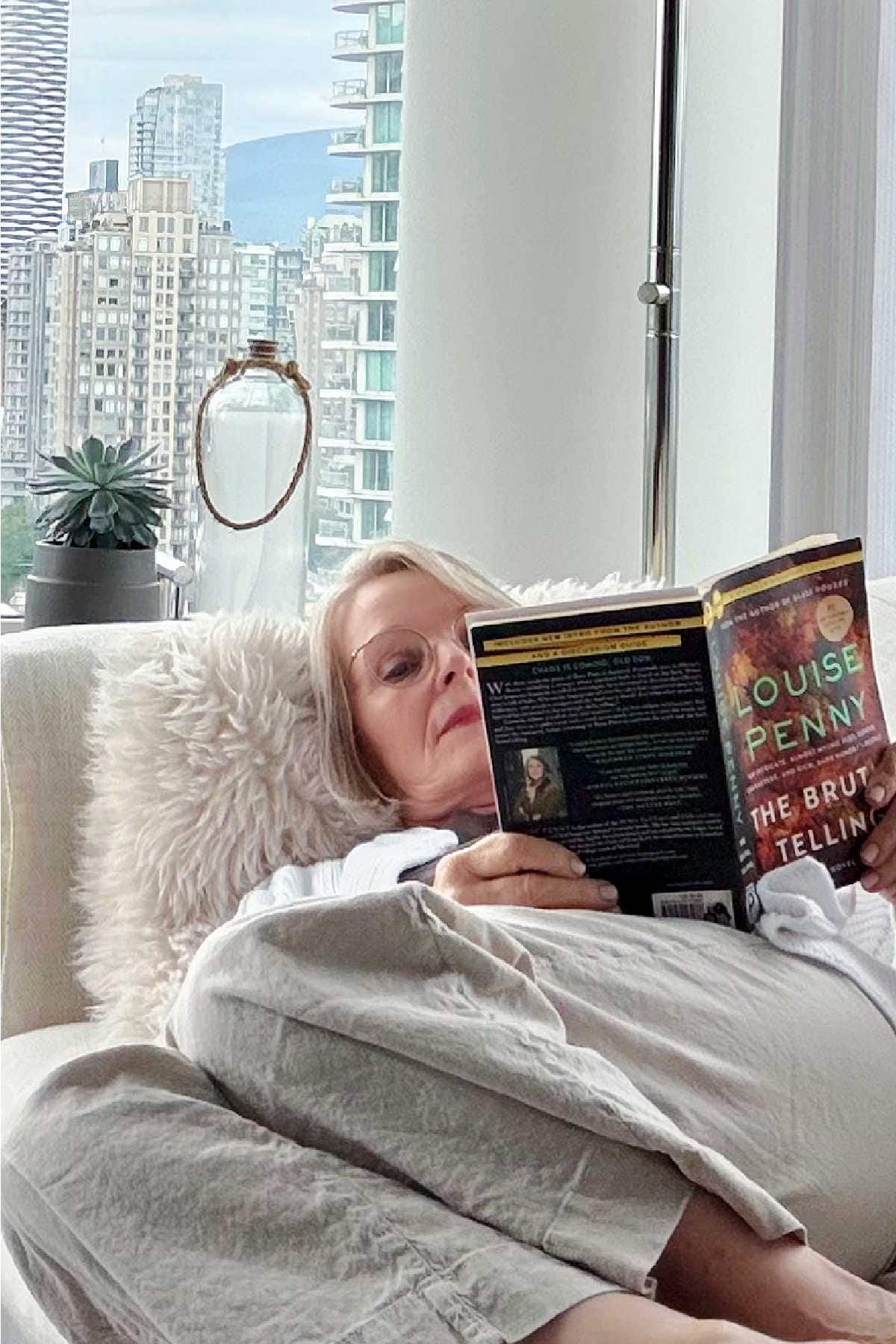
I’ve actually found the time to read, or maybe I’ve made the time. I’ve been working my way through Louise Penny’s Inspector Gamache series, and after a day spent online, sitting down with an actual book feels less like a hobby and more like a relief.
That’s probably why I keep landing back on healthy aging and self-development books, too. I’m not looking for a new me by Friday. I just want something that helps me steady out, rethink a few things, and feel a little less alone in it.
So I thought it was a good time to revisit this list. If you’ve read any of these, I’d love to know what you thought. And if there’s a book that changed the way you think about getting older, please share it with us.
14 Books on Healthy Aging and Self-Development Worth Reading
“The Gift of Years: Growing Old Gracefully” by Joan Chittister
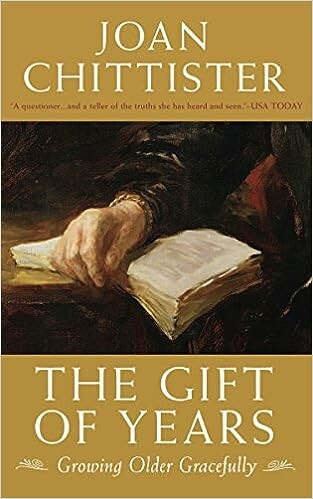
Joan Chittister treats aging like it’s actually giving you something, not just taking things away. The stories in here are small and specific, not the inspirational-poster kind, and that’s exactly why they land. You finish a chapter and find yourself thinking about your own life instead of just nodding along.
“Aging with Grace: Flourishing in an Anti-Aging Culture” by Sharon W. Betters & Susan Hunt
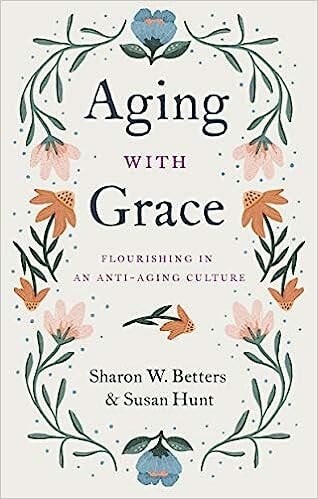
Aging Wth Grace is a direct shot at the anti-aging industry, the one that treats getting older like a problem you’re supposed to be fixing. Betters and Hunt argue the opposite: aging isn’t something to fight off, it’s something you can actually build on. That’s a different mindset from most of what’s out there, and it’s backed by real reasoning, not just a pep talk.
“The Age Well Project: Easy Ways to a Longer, Healthier, Happier Life” by Annabel Streets and Susan Saunders
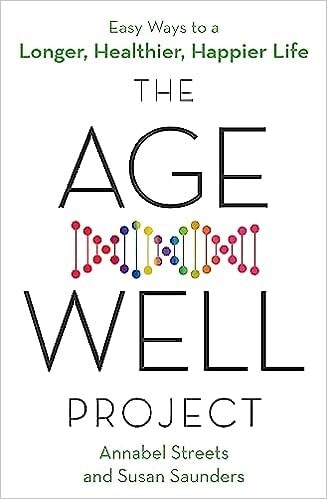
The Age Well Project came from reader Patricia, who actually tracked down a used UK copy on Amazon to get it. The two authors met at school pickup years ago, and each had a real reason to dig into healthy aging: one had a parent with Alzheimer’s, the other had breast cancer in the family. There’s a website to match, with a newsletter you can sign up for, and Patricia says the book covers a lot of ground with practical ideas for healthy living as you age. Her words: “Highly recommended!”
“The Grace in Aging” by Kathleen Dowling Singh
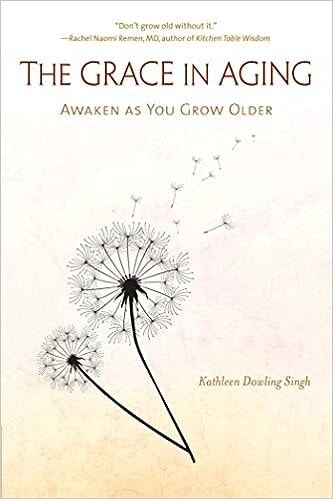
This one’s slow on purpose. Singh spends most of it on the later years, specifically, what actually shifts: the relationships that get deeper, the patience that shows up where it didn’t used to be, the way small things start mattering more than they used to. No big argument to follow, just one observation after another that makes you stop and think about your own life for a second.
“Life is in the Transitions: Mastering Change at Any Age” by Bruce Feiler
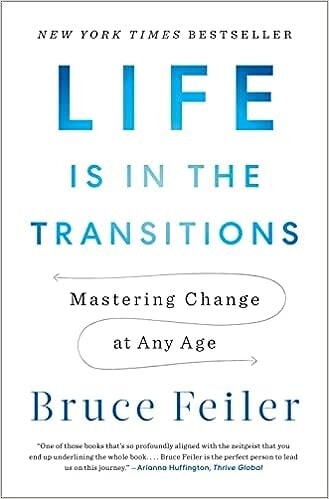
Life Is in the Transitions by Bruce Feiler would actually make a good gift for your adult kids, any age. Feiler interviewed a ton of people and used real research to map out how people move through big changes, and the takeaway is that the hardest, messiest part of a transition is usually where the actual growth happens, not before it, not after.
“Daring Greatly: How the Courage to Be Vulnerable Transforms the Way We Live, Love, Parent, and Lead” by Brené Brown
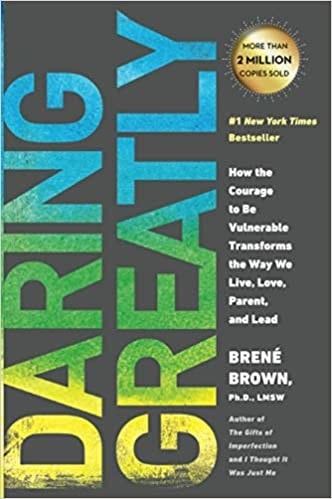
Brown’s whole case is that vulnerability isn’t weakness; it’s actually the thing that makes real connection, love, parenting, and leadership possible in the first place. I listened to this on Audible years ago and keep thinking I should revisit it. Some books you read once and move on. This feels like one you’re supposed to come back to.
“Atomic Habits” by James Clear
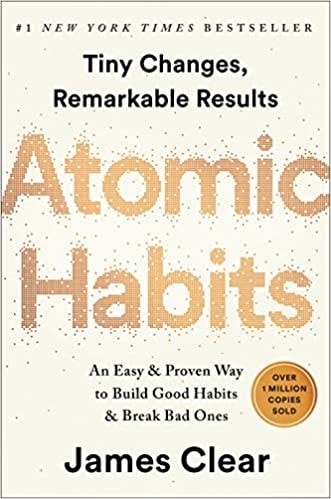
Not technically an aging book, but it’s on here anyway, and with over 25 million copies sold, plenty of people seem to agree. Clear breaks down why small, repeated habits move the needle more than big, dramatic overhauls ever do, and he actually explains the mechanics instead of just cheerleading. If you’ve ever started a new habit in January and dropped it by February, this explains why, and what to try instead.
“The Well-Lived Life: A 102-Year-Old Doctor’s Six Secrets to Health and Happiness at Every Age” by Gladys McGarey
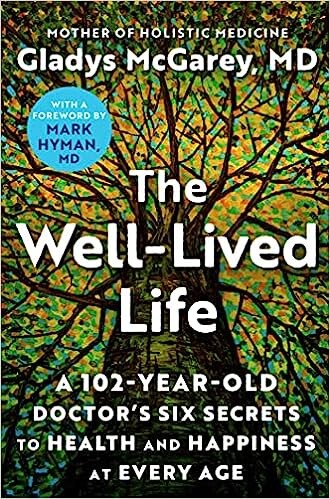
Written by a doctor who’s 102, which is reason enough to pay attention before you even open the book. McGarey’s been practicing medicine and living her own advice for decades, and what she’s landed on is that physical, mental, and emotional health aren’t three separate things to manage, they’re one system, and ignoring one throws off the other two. The six principles she lays out aren’t flashy, but they’re the kind of practical that holds up at any stage of life, not just the one she’s currently in.
“Untamed” by Glennon Doyle
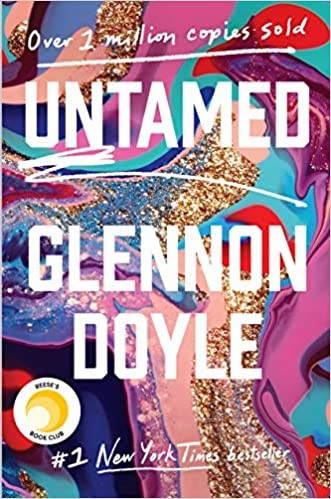
Doyle is blunt about how much of “who we are” is really just who we were told to be, and how much work it takes to figure out the difference. Not a gentle read. It’s the kind that makes you underline things and then sit there questioning a few of your own choices. One line that’s stuck with many readers: the braver we are, the luckier we get.
“Make Your Bed: Little Things That Can Change Your Life… and Maybe the World” by William H. McRaven
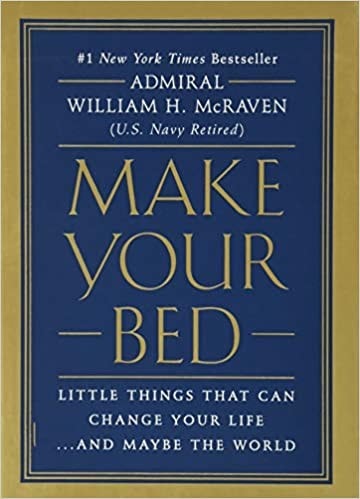
“Make Your Bed” by Admiral William H. McRaven is a concise yet powerful book that distills life lessons from Navy SEAL training into practical advice for personal growth and success. With each chapter centered around the simple act of making your bed, McRaven emphasizes the importance of discipline, resilience, and attention to detail in achieving larger goals. This book inspires readers to take control of their daily actions and, in doing so, create a positive ripple effect that can extend to their personal lives and beyond.
“Signs: The Secret Language of the Universe” by Laura Lynne Jackson
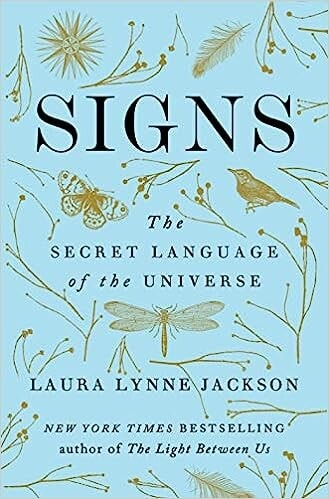
The outlier on this list, more spiritual than practical. Jackson writes about the small coincidences most of us brush past without a second thought, and makes the case for paying attention to them instead. I’ve listened to this one twice on Audible, which tells you something about how it sat with me.
“Breaking the Age Code” by Becca Levy, PhD
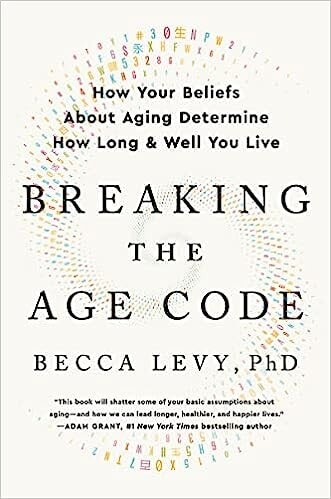
Levy’s research is the backbone here, and it’s genuinely eye-opening: how we talk and think about aging actually changes our health outcomes, not just our mood or outlook. This one reframes aging as something you have some say in, not just something that happens to you while you watch.
“Excellent Advice for Living: Wisdom I Wish I’d Known Earlier” by Kevin Kelly
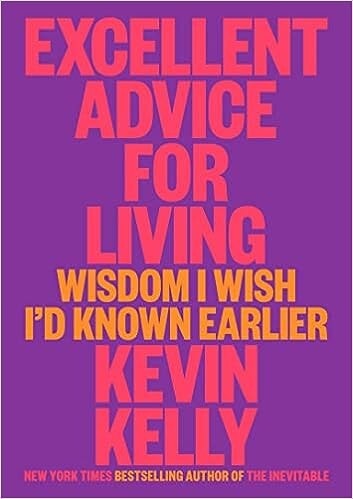
Short, plain-spoken lessons from someone who’s clearly made (and learned from) a lot of mistakes. Kelly’s not building an argument or laying out a system; he’s just handing over a few hundred individual lines, the kind you’d get from a smart older friend if they decided to write everything down instead of waiting for you to ask. Some hit immediately. Some you’ll read once, forget, and then remember at exactly the right moment a year later. No big theory, no roadmap with steps to follow, just the kind of advice you wish someone had handed you twenty years earlier.
You may enjoy the The Best New Books to Read for Summer 2026
If you’ve read any of these, I’d love to know what you thought. And if there’s a book that helped you think differently about aging, health, or simply getting through a full season of life, please share it with us. I have a feeling we could all use a few good recommendations.
I am loving “Joyspan” by Dr Kerry Burnight. The Art and Science of thriving in life’s second half! Highly recommend!
As I read your blog today it occurred to me that the Louise Penny books are an example of healthy aging—the supportive loving relationship Gamache has with his wife, the close friendships they have, their enjoyment of good food and their interest in their work.
Yes! Maybe that’s why we enjoy them so much.
The book From Age-ing to Sage-ing by Zalman Schacter-Shalomi came out in 1995 and made a great difference to how I perceive ageing. He likens it to a time of harvest-our personal harvest. Inspiring and life-changing. Well worth a revisit or a first time visit. thanks for bringing this topic “to life” Jennifer. Deanna in Victoria, BC
Thanks Deanna!
“How to Be Old” by Lyn Slater
I read that too.
Thank you for the great list! I love having an Audible book going and a Kindle book on my iPad. Signs sounds like one I will add to my Audible library. My readers will be here in two weeks so my eyes tire easily using my daily wear. Right now I’m listening to The Killing Stones by Ann Cleeves. If anyone else is addicted to BritBox and watches Shetland and Vera, great shows with mysteries you can’t solve and characters that you will love for their complexity. Ann Cleeves books and characters are the basis for these stories.
I loved British writer Diana Athill’s slender memoir of aging, “ Somewhere Towards the End.” She tells us what became unimportant to her as she got older and what she hung onto. Published in 2008, it’s easy to find in libraries and used bookstores.
Thanks Margaret
My church has offered a book club/discipleship group of sorts to go through “Aging with Grace” by Hunt and Betters, and it’s been so good! There are about 8 of us, we read a chapter a month between meetings, ponder the questions at the end of each chapter, then meet and discuss. I’ve learned a lot from the life experiences and thoughts of others rather than just reading the book on my own.
My husband was always reading these self help books but for some reason I never really did. I’m sure he has some on this list. Since he passed all I’ve been reading is articles and books on grief. But this list of books can actually help with making a new normal for someone who has lost a loved one. Maybe I’ll read some of those books now.
I love Louise Penny! Though I’m not much for self-help books, I do love the Oldster substack. It’s always fascinating.
I highly recommend “Successful Aging” by Daniel J. leviton. He has a Phd 8n Neuroscience. The book explains the current research on aging and individual differences and provides resilience strategies and practical cognitive enhancing advice. I really appreciate that extensive footnotes for respected peer reviewed journal articles.
That sounds wonderful!!
Thank you so much for this list! Just what I needed as I begin a new decade!
Happy Birthday!
Hi Jennifer, thanks for the shout out! I learned a lot from The Age Well Project and still follow a lot of their suggestions – like, for example, eating a square of dark chocolate and some walnuts every day! Thank you for your other recommendations too.
I have another suggestion – it’s not a book, it’s a YouTube channel with an accompanying weekly newsletter. Dr. Ruth Machin is a retired doctor who is retraining/has retrained as a nutritionist. Her channel is aimed at women in their 50s and beyond – she has a lovely screen presence (she’s English, very witty). She’ll talk about a subject – for example, visceral fat or gut health or strength training, etc. – and go into the science in a way that’s easy to understand. Also highly recommended!
I just looked up her channel and she seems terrific. Thanks for another great suggestion Patricia!
You’re welcome Jennifer – I get so much from your blog, so I was happy to pass this on!