
How to Advocate for Yourself at the Doctor’s Office: Especially As You Get Older
As I’ve gotten older, I’ve noticed how often symptoms like fatigue, joint pain, and a reaction to medication get waved off with a smile and a “That’s normal at your age.” Sometimes that’s true. But sometimes it’s not. I’ve learned the hard way how important it is to advocate for yourself at the doctor because being politely dismissed can have real consequences.
Years ago, I kept insisting that a small spot on my skin didn’t look right. Multiple doctors brushed it off, but I wouldn’t let it go. It turned out to be melanoma, and catching it early quite literally saved my life. You can read my experience here: How to Spot Skin Cancer and Melanoma
That experience shifted something in me. I’ve become so persistent about asking the right questions and pressing for clear answers that several family members have asked me to be their medical advocate. Apparently, I’ve built a reputation for not backing down when it comes to care. And honestly, I’m okay with that. Being calm, informed, and quietly relentless has served me and my loved ones well.
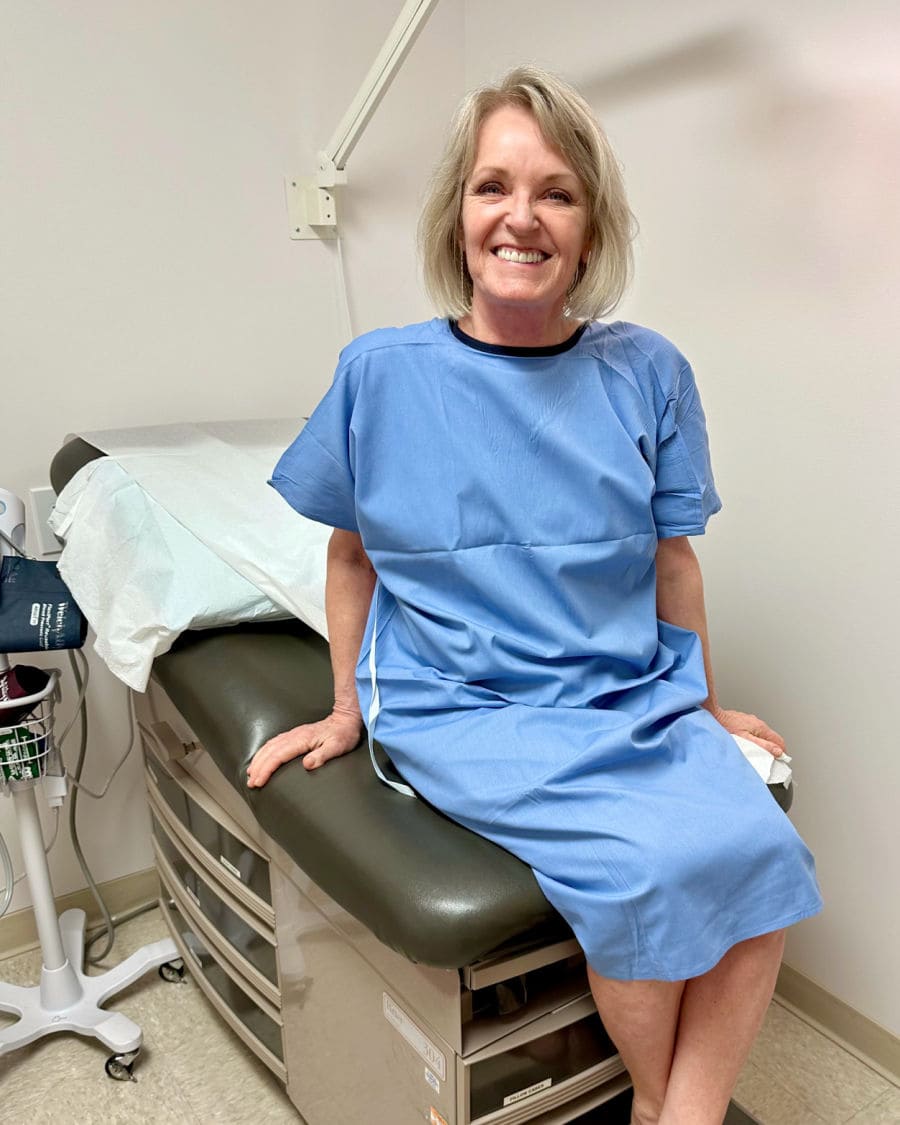
Dress the Part Because It Still Matters
Like it or not, how you present yourself at a doctor’s office can shape how seriously you’re taken. I’m not suggesting you wear a suit or heels, but what you wear does send a message.
Clothes that look polished and pulled together, even in a simple way, signal that you’re paying attention and expect the same in return. It helps shift the dynamic from “passive patient” to “informed adult seeking real answers.”
Personally, I avoid anything that looks too casual, sloppy, or overly comfortable…no leggings, workout gear, or anything I’d wear for cleaning the house. Instead, I choose pieces that feel sharp but easy: a tailored shirt, real pants, clean shoes, maybe a light jacket. I want to feel like the most grounded version of myself walking in that room.
This isn’t about looking stylish. It’s about being taken seriously before you ever say a word.

Before Your Appointment: How to Prepare and Advocate for Yourself
Get Organized
A little preparation can make a big difference, especially if you tend to feel rushed or flustered once you’re sitting in that chilly exam room. Here are a few simple things I do before every appointment to help me feel calm, organized, and in control.
Jot Down Your Concerns
It sounds obvious, but when you are face to face with your doctor, it is easy to forget half of what you wanted to say. I keep a running list in the Notes app on my phone. If something has been bothering me, whether it is a new symptom or a recurring one, I write it down.
Track Symptoms if You Can
For ongoing issues like joint pain, migraines, or poor sleep, tracking patterns helps. You don’t need a special app…just jot it down in a calendar or notebook.
Bring a List of Medications and Supplements
Every time. Even if you think they already have it. I include over-the-counter vitamins, herbal supplements, and any topicals I am using. They can interact with prescriptions or affect lab results.
Prioritize What You Want to Cover
Go in with a short list in order of importance. That way, if time runs short, you’ll at least address what matters most. If you have several things to discuss, let your doctor know at the beginning so you can both manage the time.
What to Say (and Ask) During the Appointment
It took me years to feel comfortable doing this, but I remind myself: this is my body, my health, and my time. Doctors are human and busy…so if I’m not clear about what I need, it’s easy for things to get glossed over.
Speak Up Without Minimizing
Avoid phrases like “This probably is not a big deal” or “It’s just a little thing.” If it is important enough to bring up, it is important enough to discuss.
Try saying:
- “I’ve been dealing with this for a few months, and it’s really affecting my day-to-day life.”
- “This has been worrying me.”
Ask Questions and Take Notes
Ask Questions and Take
Don’t be shy about asking:
- What does that mean?
- What are my options?
- Is this common for my age?
- What are the risks and benefits of that treatment?
Writing things down helps me stay focused and helps me remember what to follow up on later. I’ve even said, “Do you mind if I take notes while we talk or record our conversation?” Most doctors appreciate it.
Don’t Pretend to Understand If You Don’t
If something doesn’t make sense, ask for a simpler explanation. I’ll often say, “Can you explain that in plain English?” or “I’m not familiar with that, can you break it down for me?”

What to Do When You Feel Dismissed By Your Doctor
Unfortunately, this still happens. And yes, sometimes it’s related to age, gender, or both. If you feel brushed off, you don’t have to sit quietly and accept it.
Reframe the Conversation
If you’re not getting traction with your concerns, try explaining the impact. Instead of “My knees hurt,” say, “I’ve stopped taking my daily walks because of knee pain.” It signals that this isn’t just discomfort, it’s limiting your life.
Push Back (Gently)
You can still be respectful and assertive. Try:
- “I know this may not seem urgent, but it’s impacting how I feel every day.”
- “I’d really like to explore this further. Can we run some tests or try a referral?”
- “Is there anything else we can consider before assuming it’s just age-related?”
These aren’t confrontational—they’re collaborative.
Trust Your Gut
You know your body. And you know when a provider isn’t really listening. If you’re consistently feeling dismissed, it might be time to find someone new. That’s not dramatic, it’s wise.
Bring Backup if You Need It
Sometimes, just having another person in the room can shift the energy. Whether it’s your spouse, a friend, or a grown child, having someone there to help take notes or ask questions can be reassuring, especially for bigger or more emotional appointments.
After the Appointment: Following Up and Staying Involved
Once you leave, take a few minutes to go over your notes. Did everything make sense? Are there test results you’re waiting on? Mark your calendar and follow up if you don’t hear back.
And if a treatment doesn’t work or symptoms continue, don’t hesitate to go back. You’re not being difficult. You’re being diligent. Persistence is part of self-advocacy, too.
What to Bring to Your Health Appointment and Why I Never Go Without These
These are a few tools and habits that help me stay organized and prepared. I don’t use them perfectly, but they’ve made a real difference, especially in moments that feel overwhelming.
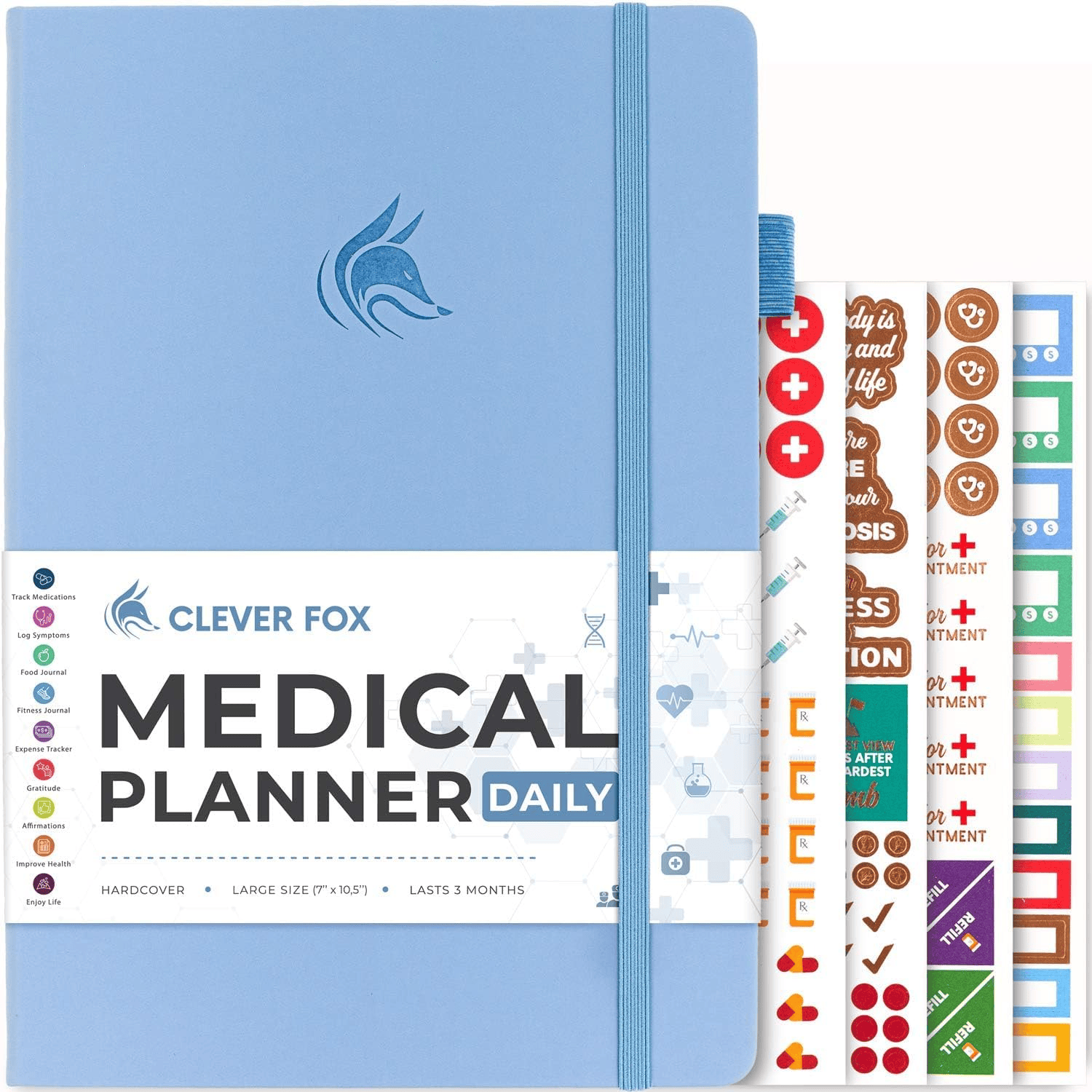
For those of us who prefer pen and paper, this little health log book makes it easy to track symptoms, blood pressure, medications, or anything else you want to bring up at your next visit. It’s also a nice way to spot patterns you might otherwise overlook.

I’ve started keeping my visit summaries and lab results in a simple accordion file. It beats trying to scroll through old emails or search through the kitchen drawer when I need something. This one is slim enough to tuck away in a drawer but holds a lot.

I keep a few essentials with me for appointments, and this structured tote helps me stay organized without digging through my bag. It has enough room for my notebook, glasses, water, and whatever else I need for the day.
Why Advocating for Yourself at the Doctor’s Office Matters More Than Ever
Speaking up at the doctor’s office isn’t always easy, especially if you’ve been taught to be polite and not cause trouble. But quiet patients often leave with unanswered questions.
Advocating for yourself isn’t being pushy. It’s being clear about what you need. I haven’t always made myself popular with doctors, but that’s never been the goal. I’m there for answers and the best care possible.
If you found this helpful, you might also like this post: Items to Make At-Home Recovery from Surgery Easier. It’s full of practical tools that can make a big difference after surgery or during any kind of recovery.
Have you ever had to fight to be heard, either for yourself or someone you love?
What helped you speak up, and what do you wish you’d known sooner?
Thank you for this post. I broke my ankle in June and find that I have to do my own Google research if I want to understand anything about the healing process and what to expect… Generally it seems like doctors today don’t explain things assuming that you’ll find out on your own. I suppose that once I make it to the physical therapy stage I will be better off. Surely more information is shared there, I hope.
Great advice overall, but a few things I would tweak based on personal advocacy for my mother and myself and working in healthcare for decades.
You recommend avoiding phrases like “This probably is not a big deal” or “It’s just a little thing.” Great advice, however, you then suggest saying, “I know this may not seem urgent, but it’s impacting how I feel every day.” I would leave out “this may not seem urgent,” because it can unintentionally signal to the doctor that the issue isn’t urgent. Also, you suggest saying, “This may seem small, but it’s been worrying me.” I recommend never saying “this may seem small.” Just state the issue and that it’s a concern.
Additionally, never say “Is this common for my age,” or “for a woman,” or “for [any group],” as it can give doctors an easy out to dismiss symptoms as normal aging or typical for that group. Instead, ask about possible causes or what else to watch for.
Thank you for this insightful and helpful article!
Great advice! I removed “this may seem small”.
Fabulous post. Thank you for all the great tips to help advocate for ourselves.
Great information, Jennifer. I also keep my medical file in my phone and make notes of questions to ask in my note app. Several years ago my husband had an unexpected quadruple bypass after not having any of the usual symptoms. After surgery, his hospital stay was expected to be 5 days but he became more and more confused and paranoid. I kept raising concerns and asking questions. They did an MRI to rule out a stroke. I researched on the internet what could cause this paranoia and changed behavior and one explanation was dehydration. They had him on a diuretic and a restricted water intake right after the surgery to lose the water they pump into you during surgery and 8 days later he was still on both. When I requested the Dr come to his room and asked about this, the nurses confirmed to him that he was still on both. He was shocked. They immediately started hydrating him with an IV. I insisted on bringing him home later that day. They were hesitant because they were worried about my safety, but I insisted once he was in familiar surroundings he would be fine. Less than an hour after getting home, he was his old self and talking to friends from long ago on the phone, talking coherently, as if nothing had ever happened! So yes, have an advocate, especially in the hospital!
That’s so disturbing Deby. I’m sure glad you were on top of things!
Very good article.Great advice.As a retired nurse I know that you are correct, how you present your self matters. It’s wrong to judge others based on their clothes but it happens every day. It’s very easy for an arrogant doctor to dismiss some patients based on their appearance. Often when people come in to the office they are sick and it’s all they can do to make it to their appointment. As a nurse I always tried to be an advocate for people. You are less likely to be dismissed if you bring someone with you.
Just having another person with you does help a lot.
Wow, tough subject for me. Some years ago, my (late) husband visited 2 different otolarnygolists (ENT Ear, Nose, and Throat) and was really brushed off with comments that his throat discomfort was nothing. The third one that he saw 9 months later was persistent in testing and diagnosing, and sure enough, it was throat cancer, which killed him within the year. I sometimes wonder, what if we had been more demanding…
I’m so sorry Sharon. We lost my brother in law way too early because they did not take his complaints seriously.
Thanks so much for sharing this well-organized and useful info, Jennifer!. The “How to Push Back Gently” section was especially helpful. I have wanted a way of dealing with comments along the lines of “This is to be expected at your age.”
Jennifer some ads just wiped out my comment! I would change to Safari but the comments don’t seem to show up only the blog. So I switched to Google so I can read the comments. They are all so good. The screen flashed and the comment disappeared. I’m using am iPad.
I totally agree with your suggestions and also recommend being very kind to the receptionist and nurses who check you in. They’re the gate keepers but not the decision makers. Exact same rules at the veterinary clinics. The vet technicians have horror stories about people bringing in their pets and demanding miracles when owners haven’t done what they need to do for their pets.
This blog really hit home for me. I am 4 wks po emergency radical hysterectomy. It was a process to be sure. I can’t count how many times I have had to push Dr’s for tests that I end up with a specialist for and yes, something is usually going on over a GP’s head. I now just tell them who I want to be referred to and try to have most of the testing done prior to being to the appointment with the specialist. It saves time in the long run. I do list questions and most of my Dr’s are linked with our major hospital and are all connected to a portal where you can contact them, a nurse, and read test results. I am well informed at visits from working in the medical field previously and asking informed questions. It makes a difference. When I had my hysterectomy the OBG ONC surgeon said “Most women don’t even know their own anatomy”. I like the medical planner you posted and will
check it out. Wishing your husband a continued healthy recovery! Thanks Again!
Thanks for this excellent post Jennifer – and to AWSL friends for comments. You have made us feel that much more empowered the next time we need answers. I have a Plaud device which I use and which records meetings (I am always transparent about using it). It uses AI to summarise the main points and I can even email the notes to my husband before I get home! It also works well with phone calls which sadly seems to be the go-to format for a doctor’s appointment where I live.
Thank you for this post. You are so right about advocating for ourselves. My doctor dismissed my concerns and said they were all in my head. I sort of blanked out after that. I called my gyn doctor and it turned out I had a kidney infection! Not only was I extremely embarrassed (he made his comment in front of several people in the waiting area) but the original doctor told me to just sit down and calm down. Another time with same doctor, I ended up in hospital 2 days after he’d given me a physical. I fainted and my iron count was very low at 4!
Found a new doctor but also found many doctors do not take new patients on Medicare. Usually only very new doctors do that.
I always dress appropriately to be taken seriously.
That’s beyond! There is no reason for you to be embrarassed, that doctor was way out of line.I would have told him off and none too politely.
Carolyn
Are you on a Medicare Advantage plan or traditional Medicare? I heard from a Medicare consultant that the reason docs won’t take Medicare Advantage patients is because the companies (and they are all insurance companies) are slow to pay.
I have traditional Medicare and my concierge doc will take that but not Medicare Advantage.
Very timely article for any of us who are dealing with issues large or small. Thank you for the recommendations, and even the medical journals, which I ordered for myself, hubby, and two cats.
I left my primary care doc because I knew my husband could not be my advocate if something happened to me. Hubby does not follow health/medicine anywhere near as extensively as I do. Nothing wrong with my long time PCP, hubby still goes to him, never felt rushed or dismissed by him…… But I wanted a concierge doc for the “advocate” aspect. That was 4 years ago. I never feel dismissed, can get an appointment quickly, someone always answers the phone and gets back to me shortly, he calls me when he receives any test results. And when I needed a neurologist, after back to back trips to ER with two symptoms that could have been stroke ( it weren’t) they got me into the head or neurology in a few days. Otherwise I’d have had to wait nearly a month to see her. Yes, it’s expensive and the older you are, the higher the annual fee.
Thanks for letting me know!
We recently moved to a new area and needed a new doctor. The GP has been great for my husband and my grown son. But I’d go in with similar complaints and get brushed off. I wanted to try another doc but the call center would not let me change. Not even my husband believed me until I had him listen to the call. I had a specialist for a colonoscopy consult and when I told him my concerns from my last colonoscopy he said “well that won’t happen.” But it had consequently I didn’t have one. And when I got my courage up to try with another doctor the call center would not allow me to change doctors. I pay for a PPO which allows me to pick my doctor. So frustrating!
Good info! I was seeing an oncologist that just wasn’t a good fit. I actually walked out of an appointment with him, went home and found a new Dr who was great. Had surgery with great outcome and I believe that if I hadn’t switched I would be dead. To top it off this first guy put me on RX known to cause clots. And no surprise I had a stroke. Always trust your instinct. If not a Dr you can work with find one you can!
That’s incredible! I’m glad you trusted your instinct.
Thanks you, Jennifer. These are all excellent recommendations, and I appreciate your providing the rationale and encouragement. Someone may already have mentioned that taking an iPad or small laptop to take notes and organize them is also helpful. I have done this for a number of years with my hustand’s doctors.
As a retired RN & Certified Case Manager I am in total agreement with your recommendations. I worked with my clients to become their own self advocates navigating our health care system. The majority of Managed Care Health companies now monitor the doctors time spent with each patient unfortunately. They are also using on line Patient Portals to communicate your health care information. You may use this as a powerful tool and ask questions concerning your health. A dedicated office staff member is required to monitor the Portal & work in collaboration with the doctors to respond. The activity is monitored by the Quality Management team behind the scenes.
I always told my patients you are the CEO of your health. The Doctor & Nurses are on your team. Thank you for bringing the information to light Jennifer!
Great post, Jennifer. So many points to remember when going to my primary care physician. I have got to write down my concerns. I can’t tell you how many times I have forgotten to mention something that was bugging me.
I was being treated for something I had studied up on, old Doc moved away, my first appointment with a different specialist in his office. I kept nodding and I thought I was indicating total understanding with what he was saying. Finally he said, “I am not sure if you totally understand everything I am saying or if you don’t understand any of this and are just bring agreeable!”
Jennifer – these are great and insightful tips (I also appreciate your caregiver guidance). I’ve made more experience than I care to admit dealing with the health care system helping my elderly parents as well as dealing with my husbands Type 1 diabetes. I’m sad to see the decline in private and family practices. Most services are from big providers such as Kaiser, Sutter etc. I’ve noticed a big difference as doctors have become employees, and not for the better – hence it is harder to find the good ones. If they spend all of their time looking at a screen doing data entry, that is a bad indicator for me. I’d rather they use AI to take notes so we can have a real conversation.
Your comments and suggestions are excellent I’m a retired RN who worked in long term care and with elder/memory care for many years
I use all the practices you mentioned
and advocate in the same manner
Looking for a Dr who is collaborative and respectful is so important but not easy to find I recently moved and am experiencing search for different specialists Definitely challenging, but necessary
Thanks so much for your honesty and personal sharing
Good luck with your search Bonnie. I had a heck of time replacing our doctors when we moved. I still miss my old primary care Dr. She was one in a million.