
How to Advocate for Yourself at the Doctor’s Office: Especially As You Get Older
As I’ve gotten older, I’ve noticed how often symptoms like fatigue, joint pain, and a reaction to medication get waved off with a smile and a “That’s normal at your age.” Sometimes that’s true. But sometimes it’s not. I’ve learned the hard way how important it is to advocate for yourself at the doctor because being politely dismissed can have real consequences.
Years ago, I kept insisting that a small spot on my skin didn’t look right. Multiple doctors brushed it off, but I wouldn’t let it go. It turned out to be melanoma, and catching it early quite literally saved my life. You can read my experience here: How to Spot Skin Cancer and Melanoma
That experience shifted something in me. I’ve become so persistent about asking the right questions and pressing for clear answers that several family members have asked me to be their medical advocate. Apparently, I’ve built a reputation for not backing down when it comes to care. And honestly, I’m okay with that. Being calm, informed, and quietly relentless has served me and my loved ones well.
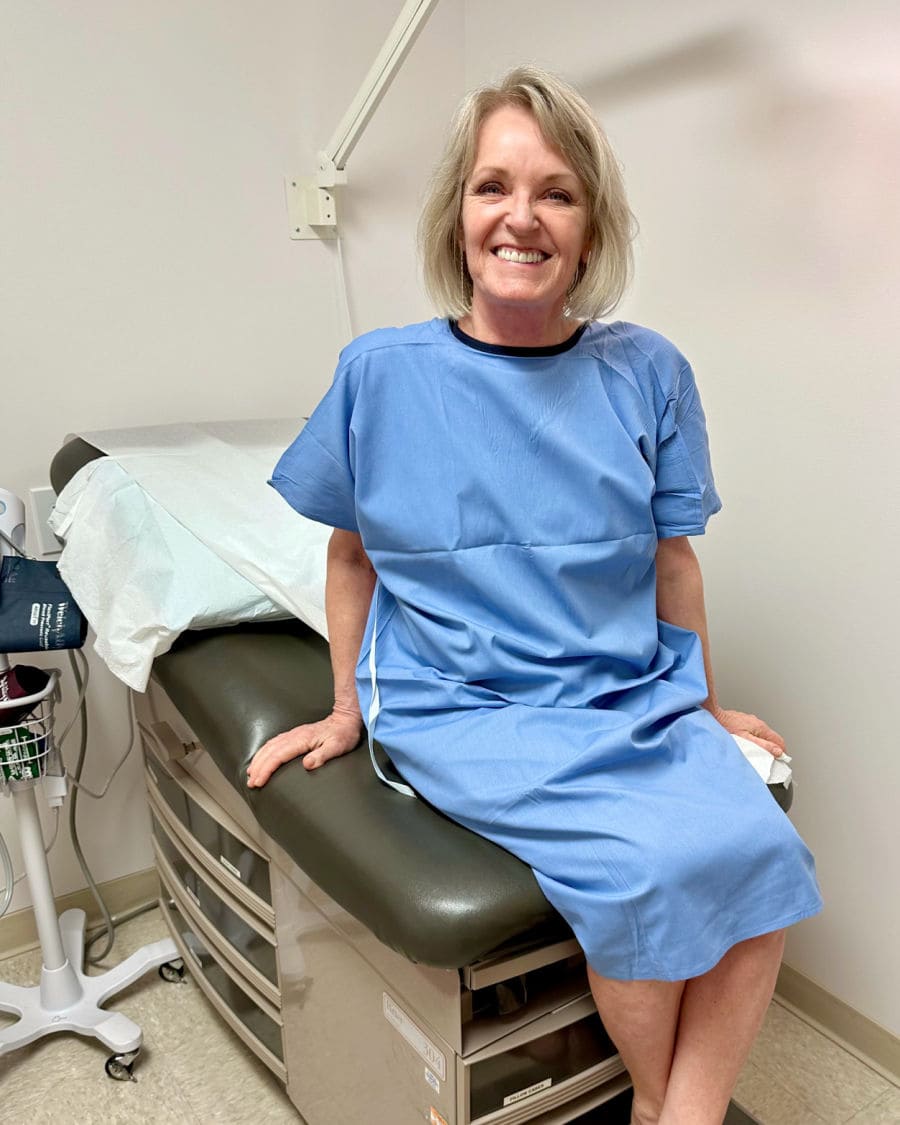
Dress the Part Because It Still Matters
Like it or not, how you present yourself at a doctor’s office can shape how seriously you’re taken. I’m not suggesting you wear a suit or heels, but what you wear does send a message.
Clothes that look polished and pulled together, even in a simple way, signal that you’re paying attention and expect the same in return. It helps shift the dynamic from “passive patient” to “informed adult seeking real answers.”
Personally, I avoid anything that looks too casual, sloppy, or overly comfortable…no leggings, workout gear, or anything I’d wear for cleaning the house. Instead, I choose pieces that feel sharp but easy: a tailored shirt, real pants, clean shoes, maybe a light jacket. I want to feel like the most grounded version of myself walking in that room.
This isn’t about looking stylish. It’s about being taken seriously before you ever say a word.

Before Your Appointment: How to Prepare and Advocate for Yourself
Get Organized
A little preparation can make a big difference, especially if you tend to feel rushed or flustered once you’re sitting in that chilly exam room. Here are a few simple things I do before every appointment to help me feel calm, organized, and in control.
Jot Down Your Concerns
It sounds obvious, but when you are face to face with your doctor, it is easy to forget half of what you wanted to say. I keep a running list in the Notes app on my phone. If something has been bothering me, whether it is a new symptom or a recurring one, I write it down.
Track Symptoms if You Can
For ongoing issues like joint pain, migraines, or poor sleep, tracking patterns helps. You don’t need a special app…just jot it down in a calendar or notebook.
Bring a List of Medications and Supplements
Every time. Even if you think they already have it. I include over-the-counter vitamins, herbal supplements, and any topicals I am using. They can interact with prescriptions or affect lab results.
Prioritize What You Want to Cover
Go in with a short list in order of importance. That way, if time runs short, you’ll at least address what matters most. If you have several things to discuss, let your doctor know at the beginning so you can both manage the time.
What to Say (and Ask) During the Appointment
It took me years to feel comfortable doing this, but I remind myself: this is my body, my health, and my time. Doctors are human and busy…so if I’m not clear about what I need, it’s easy for things to get glossed over.
Speak Up Without Minimizing
Avoid phrases like “This probably is not a big deal” or “It’s just a little thing.” If it is important enough to bring up, it is important enough to discuss.
Try saying:
- “I’ve been dealing with this for a few months, and it’s really affecting my day-to-day life.”
- “This has been worrying me.”
Ask Questions and Take Notes
Ask Questions and Take
Don’t be shy about asking:
- What does that mean?
- What are my options?
- Is this common for my age?
- What are the risks and benefits of that treatment?
Writing things down helps me stay focused and helps me remember what to follow up on later. I’ve even said, “Do you mind if I take notes while we talk or record our conversation?” Most doctors appreciate it.
Don’t Pretend to Understand If You Don’t
If something doesn’t make sense, ask for a simpler explanation. I’ll often say, “Can you explain that in plain English?” or “I’m not familiar with that, can you break it down for me?”

What to Do When You Feel Dismissed By Your Doctor
Unfortunately, this still happens. And yes, sometimes it’s related to age, gender, or both. If you feel brushed off, you don’t have to sit quietly and accept it.
Reframe the Conversation
If you’re not getting traction with your concerns, try explaining the impact. Instead of “My knees hurt,” say, “I’ve stopped taking my daily walks because of knee pain.” It signals that this isn’t just discomfort, it’s limiting your life.
Push Back (Gently)
You can still be respectful and assertive. Try:
- “I know this may not seem urgent, but it’s impacting how I feel every day.”
- “I’d really like to explore this further. Can we run some tests or try a referral?”
- “Is there anything else we can consider before assuming it’s just age-related?”
These aren’t confrontational—they’re collaborative.
Trust Your Gut
You know your body. And you know when a provider isn’t really listening. If you’re consistently feeling dismissed, it might be time to find someone new. That’s not dramatic, it’s wise.
Bring Backup if You Need It
Sometimes, just having another person in the room can shift the energy. Whether it’s your spouse, a friend, or a grown child, having someone there to help take notes or ask questions can be reassuring, especially for bigger or more emotional appointments.
After the Appointment: Following Up and Staying Involved
Once you leave, take a few minutes to go over your notes. Did everything make sense? Are there test results you’re waiting on? Mark your calendar and follow up if you don’t hear back.
And if a treatment doesn’t work or symptoms continue, don’t hesitate to go back. You’re not being difficult. You’re being diligent. Persistence is part of self-advocacy, too.
What to Bring to Your Health Appointment and Why I Never Go Without These
These are a few tools and habits that help me stay organized and prepared. I don’t use them perfectly, but they’ve made a real difference, especially in moments that feel overwhelming.
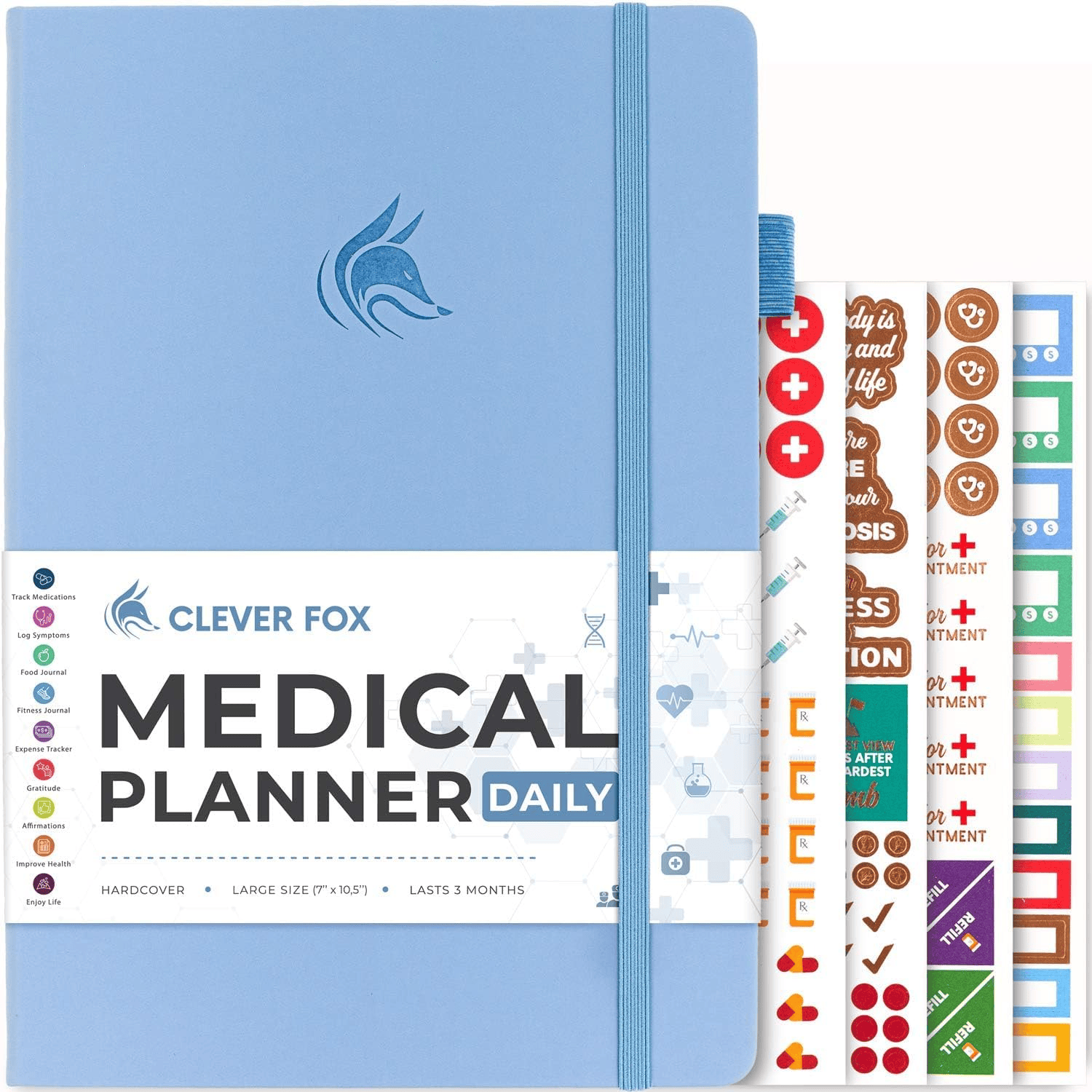
For those of us who prefer pen and paper, this little health log book makes it easy to track symptoms, blood pressure, medications, or anything else you want to bring up at your next visit. It’s also a nice way to spot patterns you might otherwise overlook.

I’ve started keeping my visit summaries and lab results in a simple accordion file. It beats trying to scroll through old emails or search through the kitchen drawer when I need something. This one is slim enough to tuck away in a drawer but holds a lot.

I keep a few essentials with me for appointments, and this structured tote helps me stay organized without digging through my bag. It has enough room for my notebook, glasses, water, and whatever else I need for the day.
Why Advocating for Yourself at the Doctor’s Office Matters More Than Ever
Speaking up at the doctor’s office isn’t always easy, especially if you’ve been taught to be polite and not cause trouble. But quiet patients often leave with unanswered questions.
Advocating for yourself isn’t being pushy. It’s being clear about what you need. I haven’t always made myself popular with doctors, but that’s never been the goal. I’m there for answers and the best care possible.
If you found this helpful, you might also like this post: Items to Make At-Home Recovery from Surgery Easier. It’s full of practical tools that can make a big difference after surgery or during any kind of recovery.
Have you ever had to fight to be heard, either for yourself or someone you love?
What helped you speak up, and what do you wish you’d known sooner?
This is such an important and helpful post. I have used many of the techniques myself for doctor visits, but you included a few that I haven’t tried (but I will!). Thank you.
I’m a little late to the discussion, but as a 12 year cancer patient, I can’t emphasize enough how important this topic is! Patients absolutely must learn to advocate for themselves in non-confrontational ways. Thank you for an important post, Jennifer!
Hi Jennifer– I love your column and advice. You make excellent points and I find my own health care journey can be difficult at times. For me, its battling insurance–I have chronic back pain and have undergone years of physical therapy, chiropractic care, and ongoing home exercise routines, weight lifting, etc. but the pain is always there. There is a procedure that the pain specialist I see has recommended, an out patient light surgery–is there such a thing? that sounds ideal. As of now, its been over three months of back and forth assertion with my insurance providers–numerous rejection. I have a team of advocates from the pain specialist taking this to an appeal system. I am upset because the decision seems to be about dollars spent, not the health and well being of the patient (me).
I feel sometimes that better wellness is determined by how much $$ you can spend, not how well you live your life, and decisions rest with insurers, who value those $$ not doctors, who value wellness. My prayers are that this can be approved, but who knows. In any event, staying as active and positive as possible are my coping strategies and I really like your blog, as it helps me to read of your wellness journey and the readers who contribute great ideas. Thank you for all that you do, Jennifer.
That is so frustrating and I fear you are right in too many instances. I hope and pray you can get the treatment you need! We are at the mercy of those making decisions based on cost.
What an excellent and informative post!! I also keep a notebook and jot down any problems or questions. There is always a bit of anxiety when going to the doctor and having everything written down helps me stay focused on my issues. I really appreciate how open and honest you are about so many personal things.
I’m happy to share because we are all stronger together.
Excellent post today, Jennifer. I have a list of all medications (mine & my husband’s) on my phone (Notes) and also keep a list in Notes of any particular issues. We are blessed to have an excellent, caring GP (Internal Medicine). We need to advocate for ourselves.
Everything you state is so important and a great reminder. Thanks to all the great comments.
Dear Jennifer
Your post on being your own medical advocate is the most important and meaningful of your posts that I have read. From personal experience, I agree with everything you said and all your suggestions.
Thank you
Hedi
I’m so glad it was helpful
My husband has several different doctors. I keep a notebook and for every visit I have the lab work, visit summaries, and my notes all together. Any question at the next visit or at another doctor, I can flip back to previous visits. This year I’m using a notebook with dividers. Each doctor has their own section. This has really helped us.
Great idea Sue
Very good advice. One funny thing, at my last appointment my doctor told me he liked my shoes, which were a kind of light tan driving moc – they are looking at what you wear, or at least he was (probably checking for sensible shoes that wouldn’t put me at increased fall risk at my advanced age, ha, ha!)
You may be right about the shoes. My physical therapist always remarks on mine.
Thank you SO much for yet another thoughtful and informative article!
As a retired RN, I applaud today’s post Jennifer! Excellent advice. I keep a lot of my medical information on my phone and laptop. List of allergies, medications and supplements, vaccinations, surgical history, family history, lab results, X-ray/CT/MRI reports, etc. It makes it much easier when that information is at my fingertips and I don’t have to try to remember it all. If at all possible, I feel a hospital patient should have someone with them as an advocate. When my husband was first receiving chemotherapy, the RN brought in the bag of chemo to be infused and set it down on his bedside table and then went on to another patients room. I got up and looked at the bag of chemo and it had a different patients name on it. When the RN came back to hook it up, I told her it wasn’t meant for him. She looked at it and turned white as a ghost and thanked me for noticing. That was a long time ago, before all the electronic scanning, but mistakes can and do happen.
Wow! That is scary, Kim.
Excellent post! Lots of valuable information. We do have to look out for ourselves as no-one else will if we are going to an appointment alone. I also find not talking about nonessential items keeps the Doctor on track for dealing with what is important, and he/she knows you mean business. It also helps to have investigated an issue before you go … makes it look like you are very interested in a solution. Thanks again Jennifer.
I agree with you. No point in distracting the doctor from the important things. I do a lot of researching before I go in.
As a retired RN, I recommend taking someone with you as an advocate and if you know someone in the medical field that can go with you, it’s a bonus. I am always shocked at what some of my relatives misinterpret or the details they forget. There are important questions that lay people have no idea to ask. My husband can no longer go to any appointments without me! Ask me how I know! Also any printouts are helpful for detailed instructions. Seen a lot of errors in taking meds or following advice because it was given to the patient in a printed form. Especially get all test results in writing!
Yes, I totally agree.