
How to Sleep Better in Your 60s (and Why It Matters More Than Ever)
No one really warns you, but sleep gets a little… finicky in your 60s. I used to fall asleep the second my head hit the pillow and stay there until morning. Now? I lie awake wondering if I forgot to water a plant I gave away six years ago. Whether I’m waking up too warm, tossing for no good reason, or mentally redecorating the guest room at 3 a.m., I’ve had to get more intentional about how to get better sleep in my 60s. And I have a feeling I’m not the only one navigating this nighttime circus.

Many women in their 50s and 60s find themselves in the same boat, and the truth is, it’s more important than ever that we figure this out. Good sleep isn’t just about feeling rested because it also affects our memory, our mood, and even how we age.
Here’s what I’ve learned about sleeping better in midlife and why I’m making it a priority.
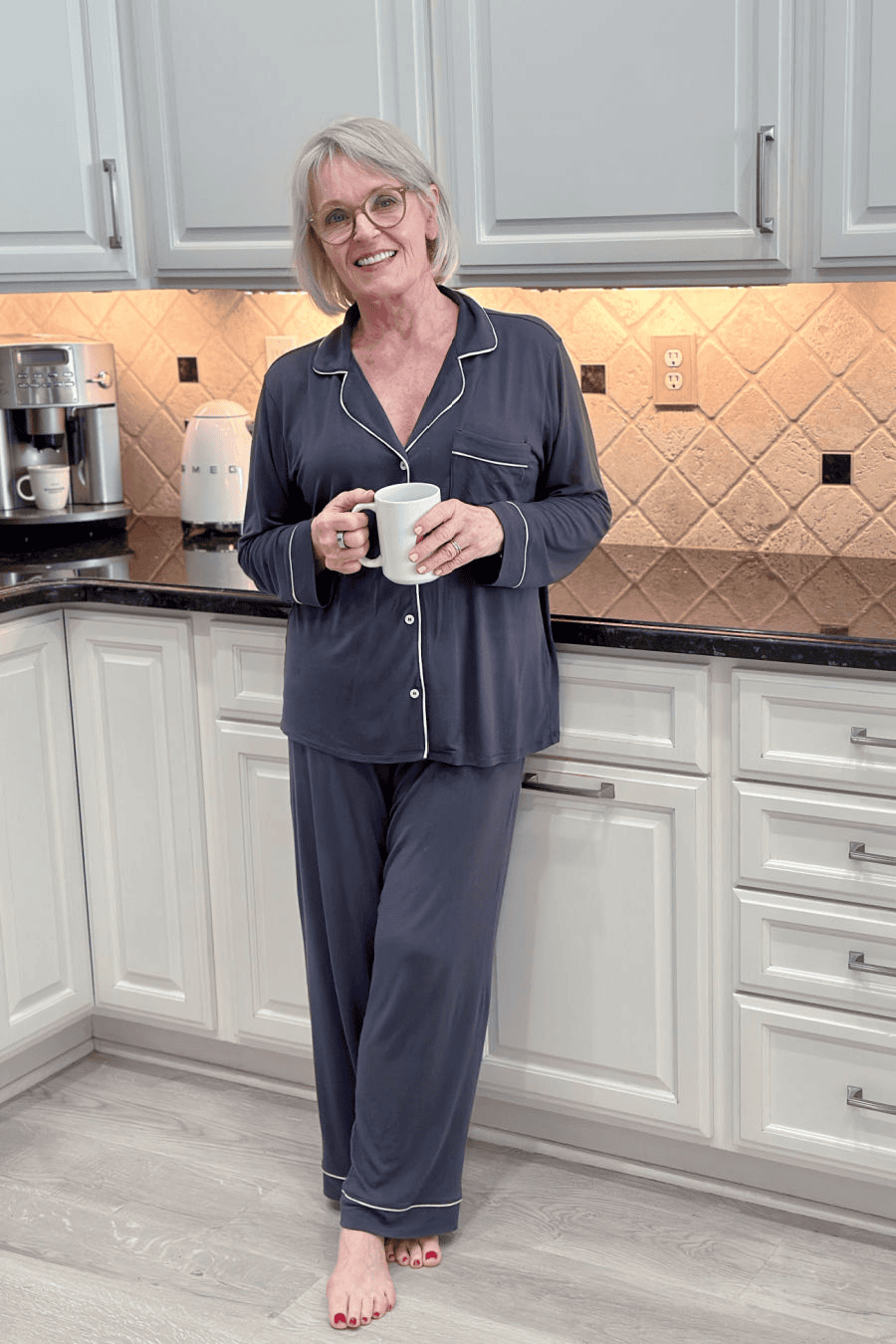
Why Sleep Gets Harder As We Age
The reality is, our bodies change with time, and so does our sleep. Hormones shift during menopause, circadian rhythms adjust, and we don’t spend as much time in the deeper, restorative stages of sleep. It’s not unusual to wake up more frequently, have trouble falling asleep, or feel less refreshed in the morning, even after what used to be a full night’s rest.
Add in things like joint pain, way too many nighttime trips to the bathroom, or the occasional racing mind, and it’s no wonder so many of us are struggling.
The Real Cost of Poor Sleep in Midlife
It’s easy to brush off a few rough nights, but chronic sleep disruption can take a toll. Poor sleep has been linked to:
- Increased risk of heart disease and high blood pressure
- Mood swings and heightened anxiety
- Memory and focus issues
- Weight gain and insulin resistance
- Weakened immune function
- Changes in skin texture and elasticity
I’m not sharing this to scare anyone…it’s just a reminder that prioritizing our sleep is a form of self-care, just like eating well or staying active.
How to Sleep Better in Your 60s
1. Your Bedroom Might Need an Update
As our bodies become more sensitive, the environment we sleep in matters more than ever.
- Keep it cool: A room that’s too warm can make sleep impossible, especially if you’re dealing with hot flashes or night sweats. I aim for somewhere around 70°F. In the summertime, I make sure I have AC and a fan available to help me keep the temperature comfortable.
- Bedding counts: Natural fibers like cotton or bamboo breathe better and feel more comfortable against the skin.
- Mattress and pillows: These don’t last forever, and what worked a decade ago may not offer the support you need now. If you’re waking up sore, it might be time for a change.
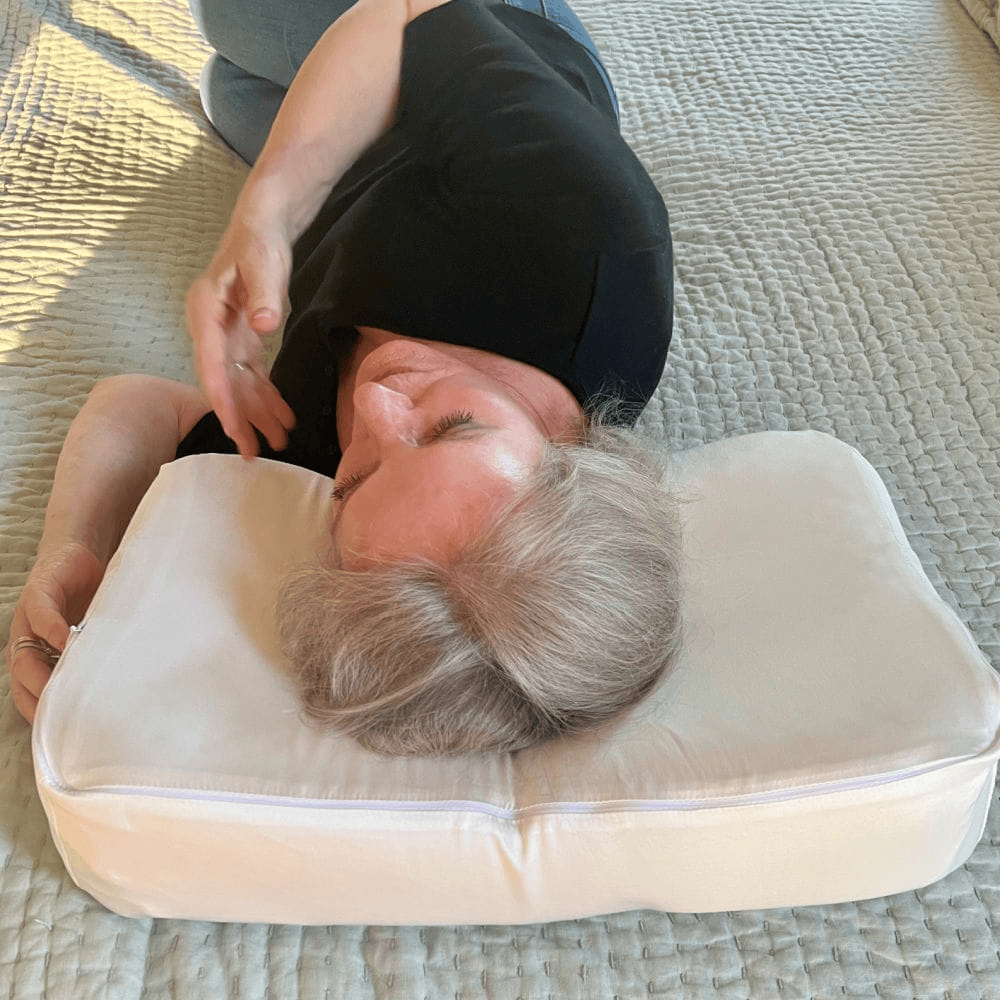
I shared last week while chatting about posture that I replaced my old pillow with this envy pillow, which supports the curve of my neck. I love it so much I bought the travel size, which I use in our apartment. I also sleep with a small pillow under or between my knees, which helps my hips and lower back feel better in the morning.
2. Build an Evening Routine That Works for You
I’ve come to realize that a bedtime ritual is pretty important. Our bodies respond to gentle cues that it’s time to slow down, and I’ve had to be more intentional about creating those signals.
Here are a few things I do to create a healthy evening routine:
- Switch to softer lighting. I turn off the overhead lights after dinner and rely on lamps to create a calm, relaxing atmosphere that helps my body ease into rest mode.
- Step away from screens. I also try to avoid scrolling on my phone at night because i know it stirs up my thoughts instead of quieting them. Watching the news late in the evening will do the same thing.
- Set the stage for rest. I keep the bedroom as cool as possible, use blackout drapes, and play white noise to block out distractions that might wake me during the night.
- Stick to a gentle bedtime. I try to get in bed early enough to turn out the light by 10, even if I don’t fall asleep right away, it helps anchor my routine. Reading in bed is one of my favorite pastimes.
None of this is fancy, but together, it tells my body it’s time to rest.
Here are a few products I’ve added to my routine that help me get better quality rest:
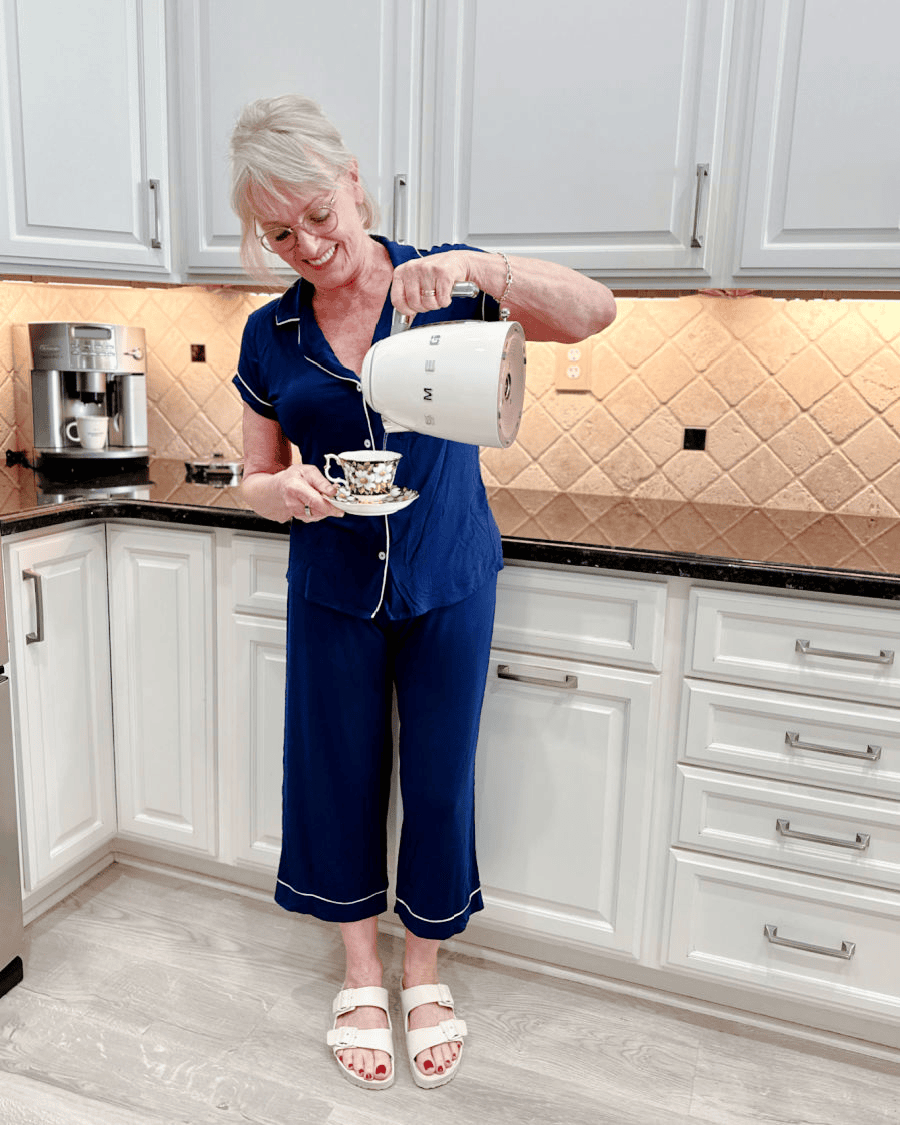
These Eberjay Cropped modal pajamas are silky smooth and super breathable, and they’ve quickly won the award for my favorite pair of pajamas! I love them so much that I now own them in both cropped and full-length styles. You can find more of my favorite pajama styles in this post.
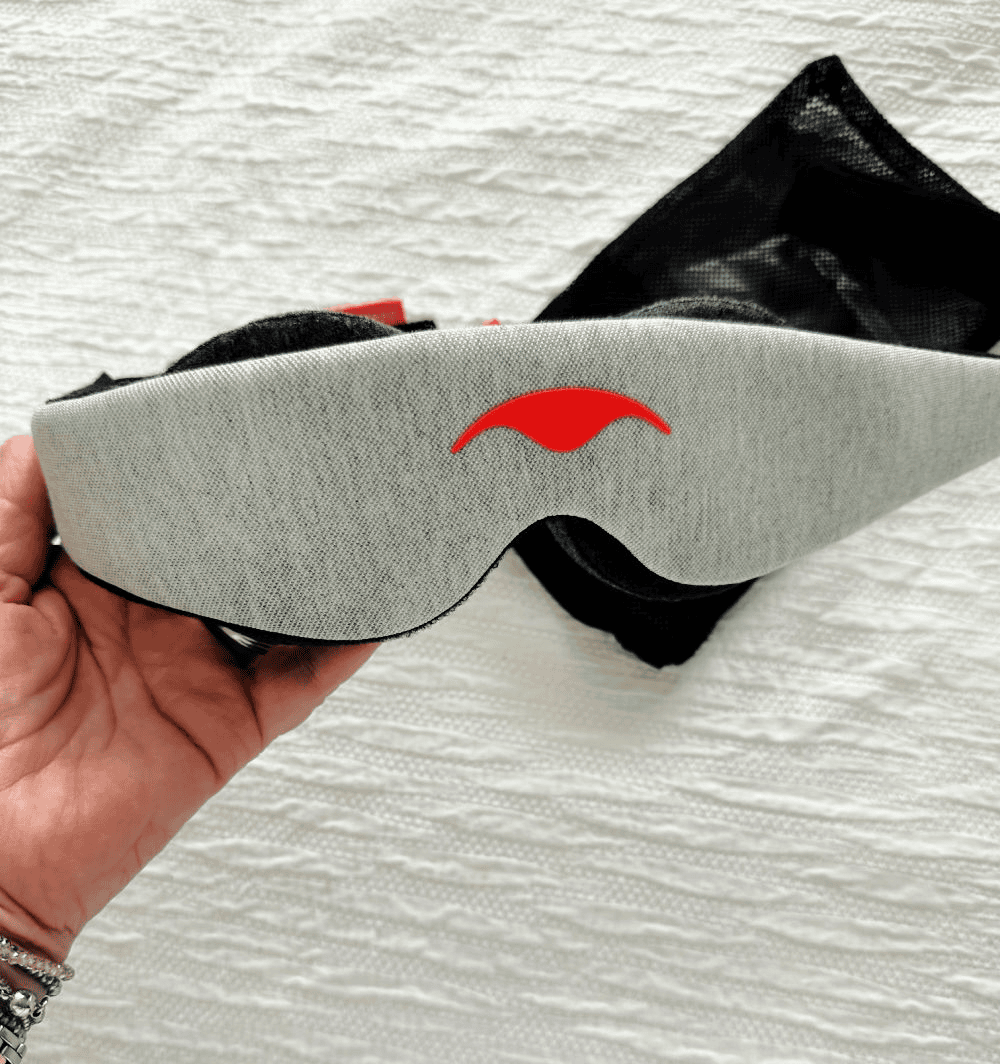
I’ve started wearing a sleeping mask just in case my eyes aren’t closing all the way when I sleep. I assumed there would be a break-in period to get used to sleeping in this, but I slept right through the night the first time I tried it. It’s also a 100% light-blocking and zero-eye-pressure mask that’s very helpful for the summer when the sun comes up at a nauseatingly early hour. I’m sure I look goofy in this, but I don’t give a hoot because it helps me sleep better and keeps my eyes from drying out. Here’s what else I do for my chronic dry eyes.
3. Be Mindful of What You’re Eating and Drinking
Certain foods and habits can have a bigger impact on sleep than we might realize.
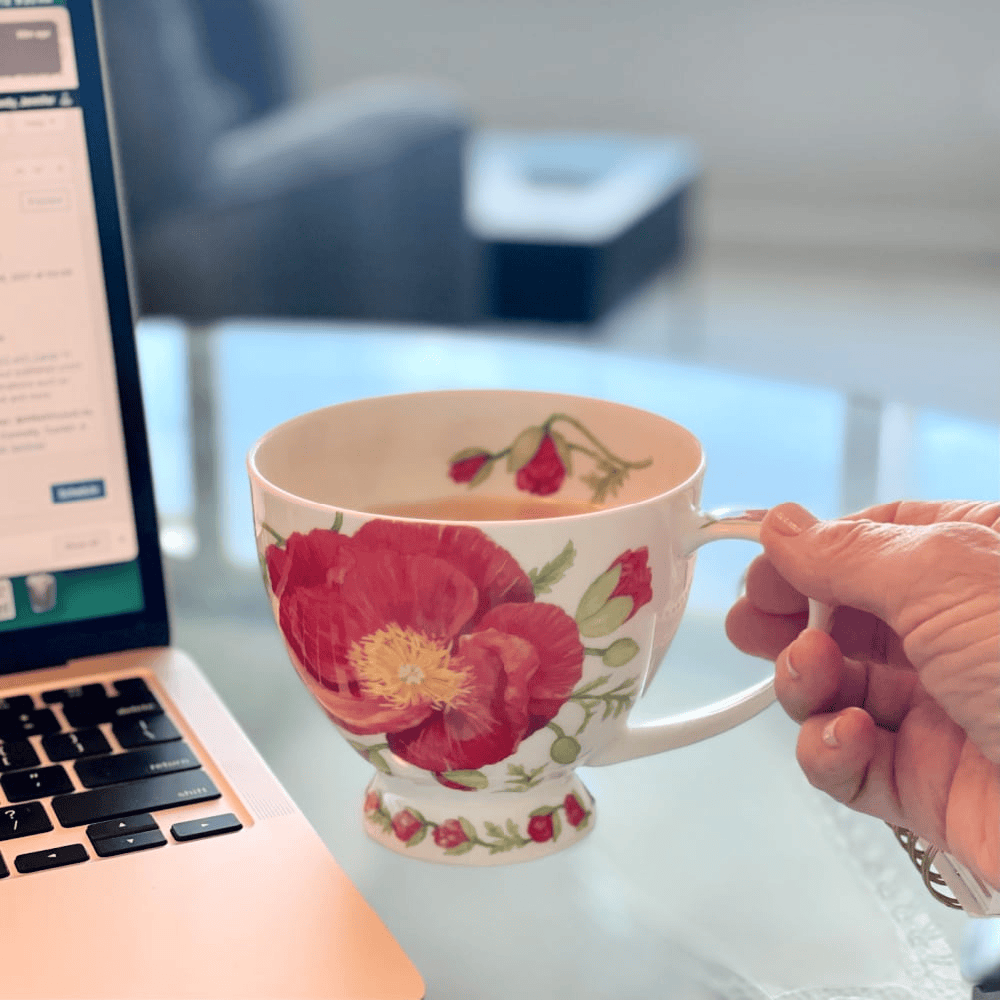
- Caffeine: I love my morning tea, but I try to stop by early afternoon and switch to Matcha which never gives me that jittery feeling. If you find yourself craving something warm in the evening, reach for a cup of Chamomile or valerian root tea instead.
- Alcohol: A glass of wine might feel relaxing, but it often disrupts sleep later in the night.
- Late-night snacks: I’ve read that a small protein-rich snack before bed can help avoid blood sugar dips that could wake you in the night. I try not to eat close to bedtime, so I can’t speak to this theory.
None of this means giving up the things you enjoy. It’s about paying attention to how your body responds and adjusting accordingly.
4. A Calm Mind Supports a Calm Body
Midlife brings a lot of mental noise…family, health, finances, aging parents, growing kids. It’s no wonder our minds don’t always want to settle down.
Here are a few things you can do to calm your mind before bedtime:
- Try a quick brain dump. Taking five minutes to journal before bed can help release thoughts and emotions from the day so they don’t keep circling as you’re trying to fall asleep. A gratitude journal is great for this too.
- Use calming techniques. A short meditation, deep breathing, or progressive relaxation can help signal to your body that it’s safe to let go and rest.
- Don’t force it. If I still can’t sleep, I’ll get up and read for a bit rather than lying there frustrated. Sometimes just taking the pressure off is enough to get me drowsy again.
5. Gentle Movement During the Day, Not Late at Night
Movement has become essential for me, not just for physical health but for better sleep. A long walk, a short Pilates session, or an at-home yoga class helps regulate my energy and makes it easier to fall asleep at night.
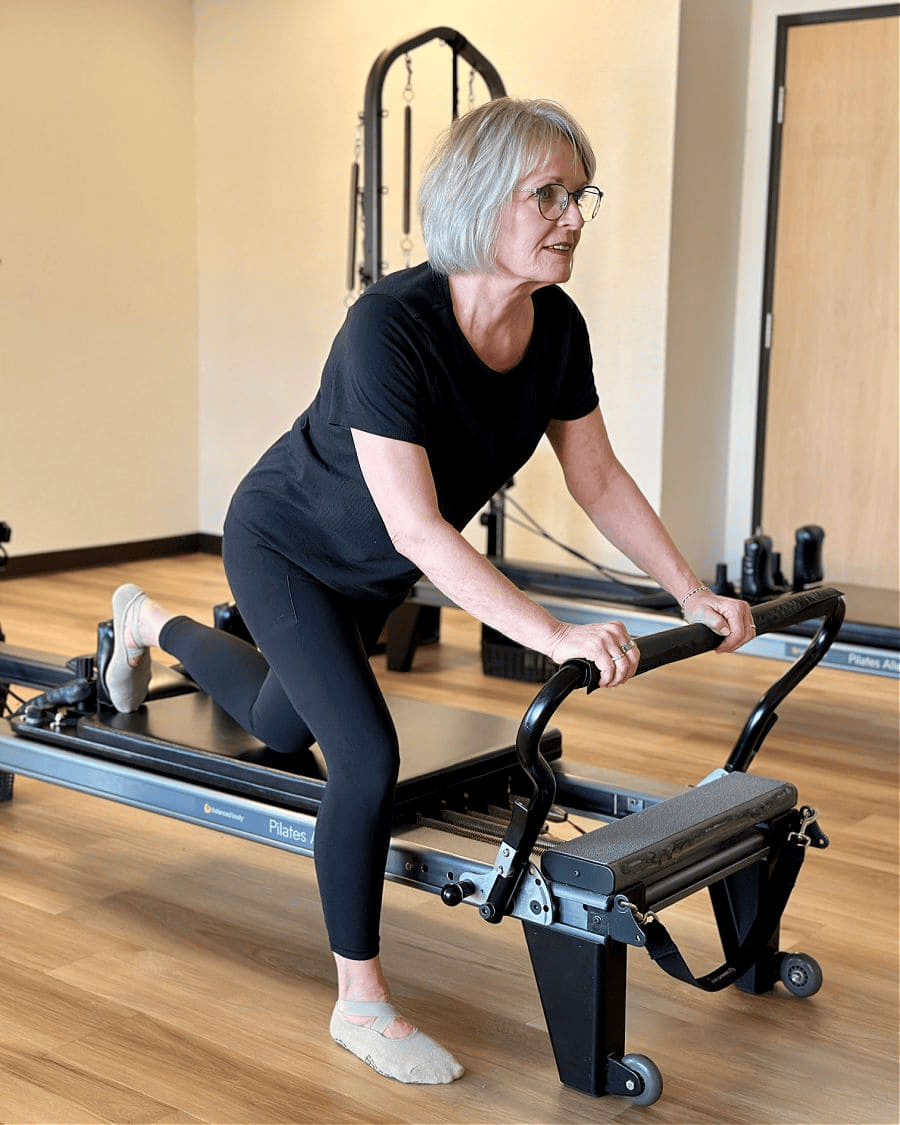
That said, I’ve learned that if I exercise too close to bedtime, I end up feeling wired instead of sleepy, so I don’t exercise too close to bedtime.
6. Know When to Ask for Help
If you’ve tried all the usual tricks and still can’t seem to get a good night’s sleep, it might be time to dig a little deeper.
Sleep apnea, restless legs, thyroid issues, and chronic pain are just a few of the medical reasons women struggle with sleep in midlife. Talk to your doctor. There are solutions available, and sometimes just knowing what’s going on is a relief in itself.
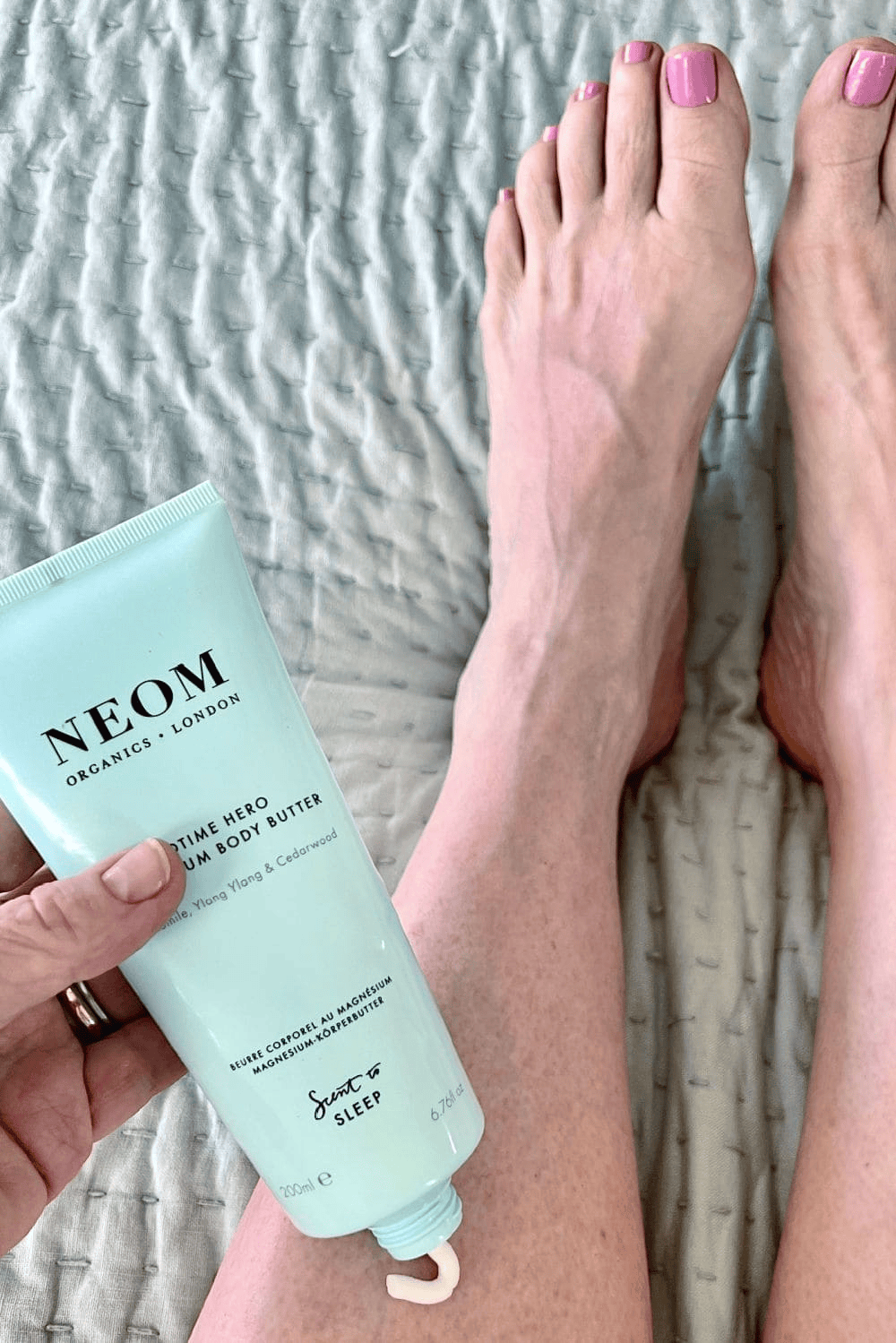
I struggle with restless legs syndrome, which tends to drive me crazy! It’s funny, or not so funny, but I can still remember my mom complaining about hers. When I’m really struggling, I’ll rub a healthy-sized squeeze of this magnesium body butter on both legs from my knees to the tips of my toes. It smells heavenly, and it seems to help calm down that jumpy, restless leg feeling. I don’t know if it’s the placebo effect that’s helping, and I don’t care…help is help ☺️.
7. Supplements and Natural Sleep Support
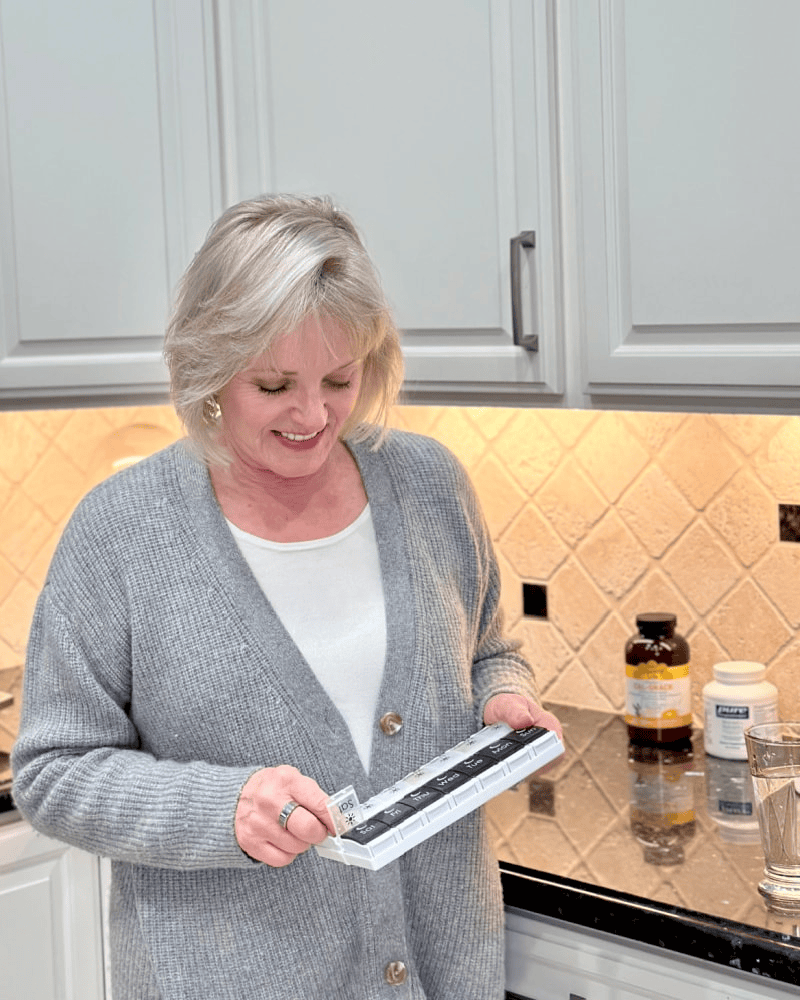
I’m not a doctor, but I do know that some gentle options can help when used thoughtfully. A few that have worked for me or others I trust:
- Magnesium: My cardiologist had me start taking this Magnesium Glycinate before bed for my heart health, and I find it also helps me unwind in the evening, especially if my muscles are tight.
- Melatonin: Melatonin levels naturally decrease with age, which may contribute to sleep difficulties in older adults. Melatonin can help improve sleep quality and duration, so I am all over it! It’s widely used to treat sleep issues and is particularly effective for jet lag or sleep problems related to shift work. My husband and I take Pure Encapsulations 3mg of Melatonin every night.
- Valerian: Valerian is a non-habit-forming herb that helps with sleep. My husband takes this tincture, which smells pretty nasty, so I prefer to take one of these Wild Harvest Capsules right before bed. It still smells absolutely revolting but seems to help me sleep, so I just toss it down quickly.
- I also take this Cortisol Manager in the evening because I learned that Ashwagandha supports calm and restful sleep.
- Herbal teas: Chamomile or valerian root tea is a calming way to end the day. Valerian tea is an “acquired” taste, so I stick with the Chamomile and like this one.

Again, always check with your healthcare provider before starting anything new—especially if you’re on any medications.
You can find my full list of supplements and vitamins here.
8. Let Go of “Perfect” Sleep
I have been concerned about my sleep, or lack of sleep, for the last several years and decided to buy an Oura ring to help me pay closer attention to it. I absolutely love my ring! It helps me track my sleep, exercise, and now my glucose levels in conjunction with this Stelo monitor.
Some nights will be better than others. I used to get frustrated when I couldn’t fall asleep right away, but I’ve learned that’s counterproductive. Rest is still valuable, even if it’s not eight uninterrupted hours. If I wake up, I try not to check the time or start counting how little sleep I’ll get. Instead, I focus on getting cozy, breathing deeply, and reminding myself that rest in any form is still restorative.
What are you doing to make sure you get restful, quality sleep? I’d love to hear your ideas.
Missing your voice today , Thursday , and rereading this blog. Thanks for all the great information on your posts. I look forward to all your blogs!
Hope all is well.
Have a great day!!
Thanks Sherri! I will be back tommorrow!
Soma Lingerie’s “Cool Nights” pajamas are WONDERFUL! Keep you from sweating. I’m almost 76 and have been wearing them for at least 20 yrs.
I use Magnesium butter in the soles of my feet and behind my knees every night at bedtime. Helps me fall asleep fast.
I also listen to “green” noise …. that seems to quiet my racing brain.
I listen to white noise. What is green noise?
Also try Yogi Tea Bedtime Tea. It has ashwagandha in it and you can double up in tea bags. I don’t use it every night but it seems to help after bathroom trips to allow me to go back to sleep.
I suffered with restless legs for years. I couldn’t sleep or even stay in bed. A friend suggested I try Theraworx spray on my legs. I have been using that for several years and it works like magic for me. I also take magnesium morning and night at my doctors suggestion. Both of those have helped me tremendously. I very rarely have an issue with my legs now.
I will check it out Beth, thanks!
I find that if I don’t stress over not getting to sleep, or if I don’t sleep well, or not at all I don’t worry about it because I don’t have to work the next day. Knowing this I know that I will sleep better the next night and sounder. And I do!
Thank you so much for all that information, Jennifer.
As a result I’ve just ordered a Magnesium Body Butter which is manufactured here in New Zealand and has great reviews. I have MS so some of my sleeplessness may be because of that and the body butter even has good results for those of us living with MS.
I really enjoy your posts/blog and follow many of your tips.
Warm regards, Chris B
I hope it helps Chris!
I have had trouble sleeping all my life. I have taken Lunesta for years and now another drug to help my mind stop going 90 miles an hour. I found an app called “Slumber”. I really love it. It connects to a bluetooth earbud and helps you fall asleep and stay asleep. I also have sleep apnea and use a CPap. The sleep doctor said everyone should take magnesium. He recommended “Slow Mag”
I take similar supplements as you in the evenings. My functional medicine doctor prefers to recommend mostly third party tested supplements. Many supplements that are not third party tested most likely contain fillers and may not have in them exactly what they claim to have. I heard recently on a podcast that there are over 200,000 supplements on the market now. I rely on my fx med Dr to select the best ones for me. I also find that getting off screens 1/2 hr- 1 hr before bed helps my brain calm down. I often do light stretching on the floor in the evenings as well along with deep breathing. What I find doesn’t help me sleep is anxiety, especially if one of my adult kids calls with a problem right before I go to bed.
Anxiety is a sleep killer for me too, Mary
My doctor told me that my restless legs were from being iron deficient. Whenever I am struggling with it, I take an iron supplement or eat iron rich foods, depending on what time of day I am feeling the effects. It has been very effective so far!
Interesting. I’ve had it for many years.
What bed sheets do you recommend? Great article on sleeping. Thank-you!
I’ve just ordered some linen to try but I’ve always liked soft cotton
My doctor has me drinking Tonic Water for my legs. A bit of gin, maybe a teaspoon or less, will cut the taste but I just eat a few Saltines with it.
I’ve heard of that!
My husband doesn’t drink alcohol, but he likes plain tonic with a squeeze of lime!
Great topic to address. I have trouble falling asleep and have done many of the recommendations you’ve made. I find using sleep patches (which contain only natural ingredients) helps me fall asleep. I usually get up to use the bathroom but then fall back to sleep. You can find them on Amazon.
I’m no longer midlife but late life at 80 years young. Like you, I turn the lights down to soft light which help begin my evening routine. My husband gos o bed at ten and reads briefly and turns over and is gone. He also doses during the 6 pm news! I worked nights for three decades as a nurse so my clock is still different from his. First we had to go to twin beds about ten years ago. I’m always too warm and he is cold. I have to sleep with my bed elevated at the head for gastric reflux. It really helps me with that but it was an adjustment to sleep on my back like I’m in a lounge chair. I also don’t like to eat anything after eight. We try to eat our biggest meals between four and five and only a light snack at eight. Then clean up, teeth etc. pajamas on and I like to read or watch house shows on HGTV as they relax me. I have chronic pain so I schedule my pain medication an hour before actually going to bed. We do have night blinds and a ceiling fan on year round. I do have a night light in our bathroom and the door is cracked open for the cat to get to her litter box. She is 19 years old and still with us. Our little dog has her bed next to my husband’s bed but towards morning she is up on his bed down by his feet curled next to his legs. He is a side sleeper. I tend to get up twice in my nine hours of sleep to urinate. Brent says he has to get up more often but he is 83. It is turning hot here but I also try to keep my sleep room about 68-70 in winter and 72-74 in summer. I’ve lived with ac since I was ten years old so don’t do well without it. First world problem, I know. I don’t nap so try to get nine every night to feel my best. Reading is my best solution. I’m allergic to lavender, valerian and melatonin so can’t take them. My blood work showed high magnesium and D3. So my doctor told me no extra that isn’t in my daily Centrum Silver. It is best to take only under monitoring of lab work and doctors orders. As we age we metabolize these things differently.
Finicky? That’s a lovely word for the soul-sucking problem of sleep issues as we age. I don’t know any woman in her 60’s or 70’s who isn’t struggling with that. I have a touch of Restless Leg Syndrome so I’m going to purchase the magnesium body butter today and see if it helps. I also take Melatonin when it’s really bad, but I hate to take it every night. The one thing that I refuse to do is to lay awake in the dark trying to sleep. When I’m having a bad sleeping night, I turn my kindle on low light and read. Eventually that will relax me and I can usually get back to sleep. Ugh! It gets to the point where I dread going to sleep. Hopefully some of your ideas will give me some relief, and thanks for addressing this issue that plagues so many of us!
If I’ve been trying to go back to sleep for too long, I’ll just get up and make some herb tea. It is soul sucking.
Hi Jennifer. Thanks for all the tips. I used to suffer with hot flashes and insomnia but I can honestly say it’s getting better as I age into my 70s. I’m a big fan of Lake pajamas. They are the softest, breathable cotton and so comfy. Faith is very important to me and I try to turn it all over to God when I lie down. Blessings to you, friend.
I will check those out! Have a beautiful day Laura
Jennifer
I fall asleep easily but wake up at 3 AM most days. Getting back to sleep is the problem.
I did want to mention something though you are probably aware.
My dry eyes have been a real issue and cataract surgery recently makes it worse. Drops several times a day But…Dr told me sleeping with a fan is no good for dry eyes. It’s so hot where I live the AC is always on, the ceiling fan and a smaller fan near my bedroom door. I guess those are all bad ideas.
Air gets into the eyes so your sleep mask may be the answer!!
That’s one of the reasons I started sleeping with an eye mask! My husband loves the fan and my eyes do not!
My problem is night-time bathroom visits…ugh! Thankfully I fall asleep right away but the interruptions are a “pain.” I can fall asleep even if I nap before/after dinner so that’s not a problem. I’ve used lavender oil on the bottom of my feet and that helps if I wake up and can’t go back to sleep.
I love the scent of lavender oil, it is so relaxing
Good pointers here! I also use magnesium before bed and feel it has helped and also helps with restless leg syndrome. I’m just about finished a certificate in hypnotherapy and hypnosis can assist with the relaxation piece needed to fall asleep.
I developed a terrible fear of insomnia when I was in high school, but did overcome it. Long ago I learned that listing the almost 100 counties in my state in alphabetical order helped and I still do that once in a while. But I have now developed a bad habit of waking up at 3 AM, drinking a Diet Coke and doing the NYT word puzzles that are released for the day about then. I try to avoid screens at that time (other than the phone with the puzzle), and maybe read for a while and eventually get tired and sleep for a couple more hours. I know this is terrible sleep hygiene and I am always happy when I see 3:00 AM on the clock and I lay back down…
I also use a Manta eye mask and love it! I’ve found that I get a better night’s sleep if I go to bed earlier and turn the TV off to calm me down. It has really improved my sleep and I’m feeling much better lately! I love watching the late shows but it’s harder for me to sleep after I watch them so I try not to.
It’s so hard to turn my thoughts off after I watch TV