
How to Prepare Your Home When a Loved One Is Coming Home from Surgery
There’s nothing like post-surgery recovery to remind you that caregiving is not for the faint of heart, or the easily grossed out. When my husband had hip surgery in April, I became a full-time nurse, part-time waitress, and reluctant home safety coordinator. At one point, I found myself reading Amazon reviews for bottom-wiping tools at 11 p.m., which is a sentence I never expected to type.
Recovery takes time, and the little things like getting dressed, climbing out of bed, and sitting on the toilet suddenly require the coordination of a small pit crew and the patience of a saint. (Spoiler: I am not a saint.)
If someone you love is preparing for surgery, I won’t pretend it’s easy. But I can share a post surgery recovery list of items that actually made our lives easier. Some were suggested by medical professionals. Others we learned about after a few missteps (and a couple of bruised shins). Either way, they helped. And when you’re sleep-deprived and stressed, helpful is worth its weight in gold.
You may also enjoy How to Help Boost Your Immune System to Keep Healthy
Helpful Items for At-Home Surgery Recovery
Sock Aid Tool
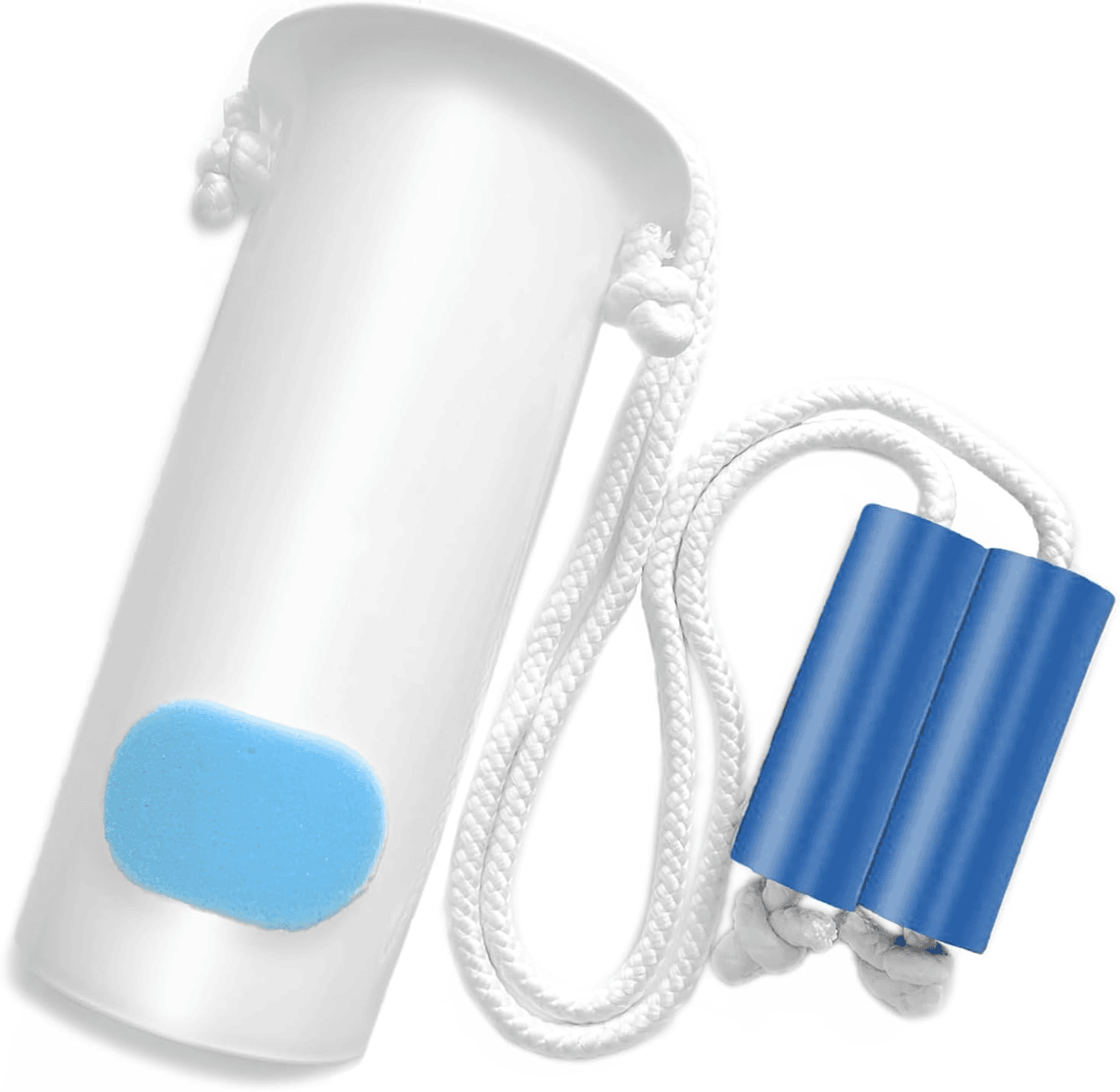
Getting socks on after hip or knee surgery is no small task, especially when bending is off the table. This sock aid tool makes the process so much easier. Foam handles offer a better grip, and it works with most types of socks. It’s not glamorous, but it’s effective. My sister-in-law saw it and thought it looked like a fabulous idea so I bought one to give her for Christmas.
Pill Bags
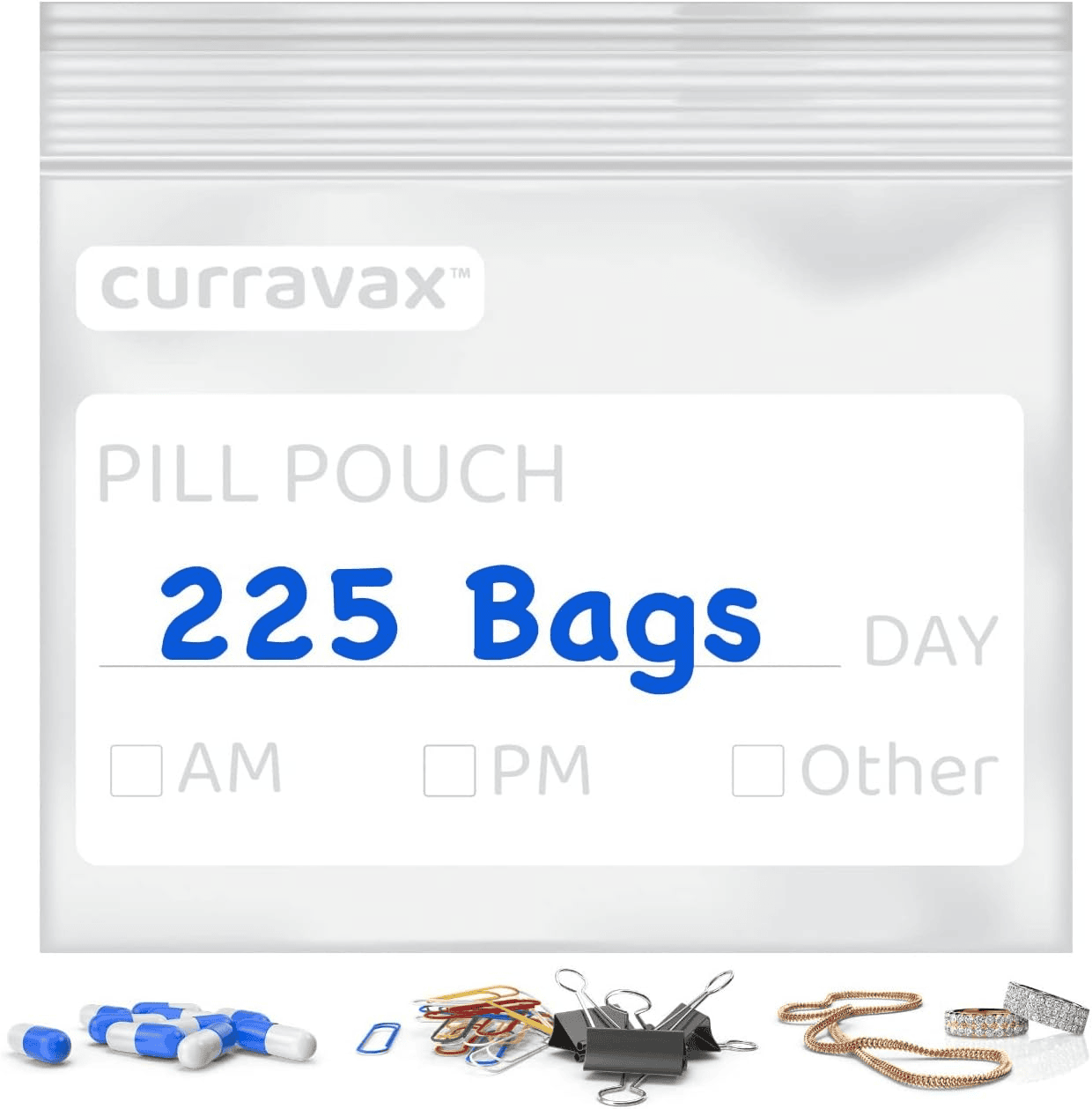
Keeping track of medication can get overwhelming fast, especially if multiple prescriptions are involved. These small pill bags are easy to label and great for staying organized, whether you’re managing a daily schedule at home or prepping doses for a short trip. I always travel with these now because it’s more compact and easier to pack than my weekly pill organizer.
Bottom Wiping Tool
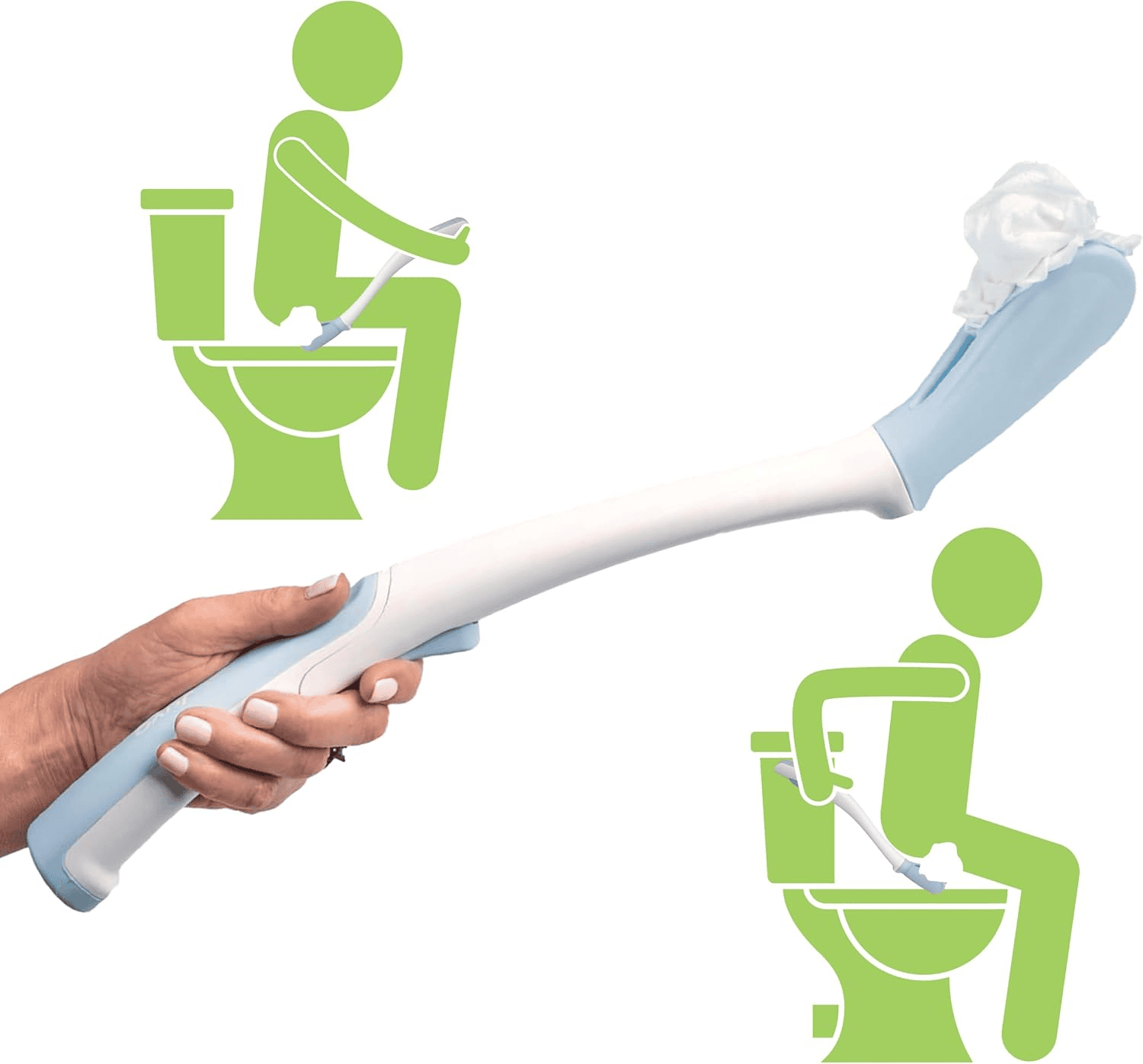
Not something most people want to talk about, but if you’ve had surgery or limited mobility, this bottom wiping tool is a game changer. It extends your reach so you can maintain independence and dignity in the bathroom. It’s discreet, easy to use, and frankly, a sanity saver.
Flushable Wipes
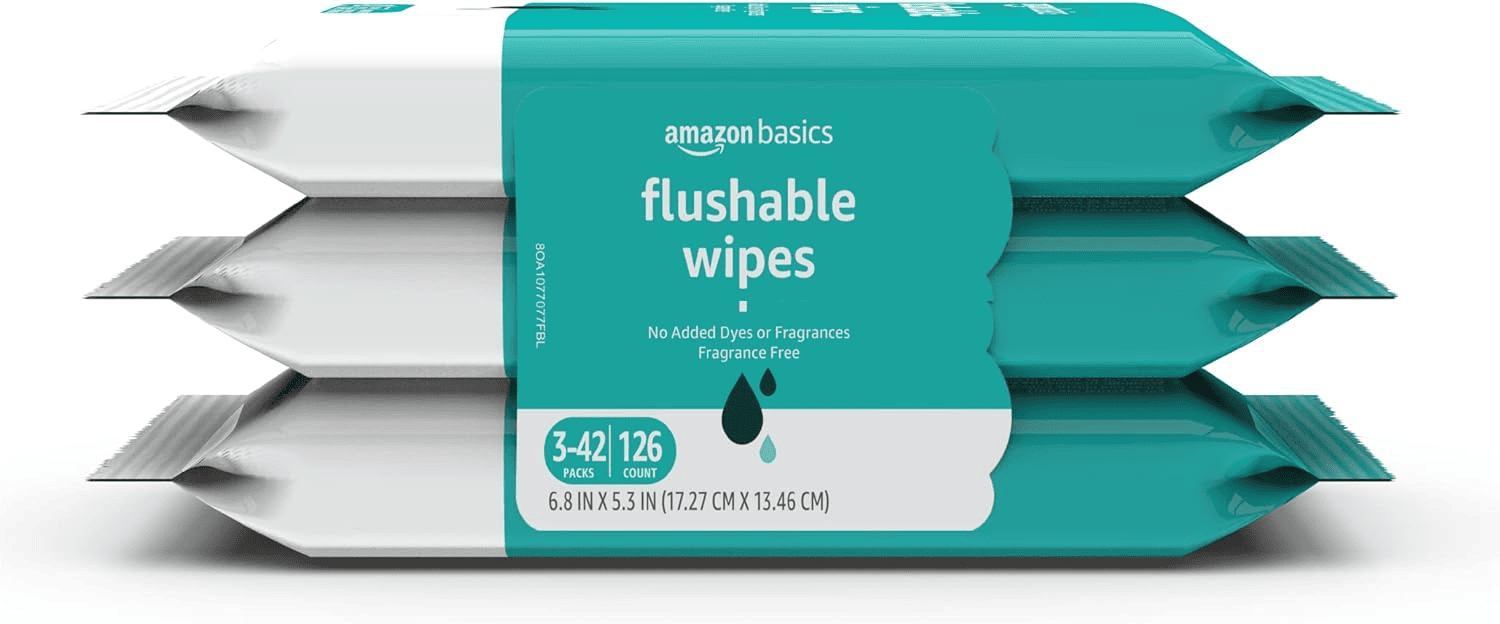
After surgery, comfort matters… and that includes in the bathroom. These fragrance-free wipes are gentle and easy to use. Not fancy, but appreciated.
Grippy Socks
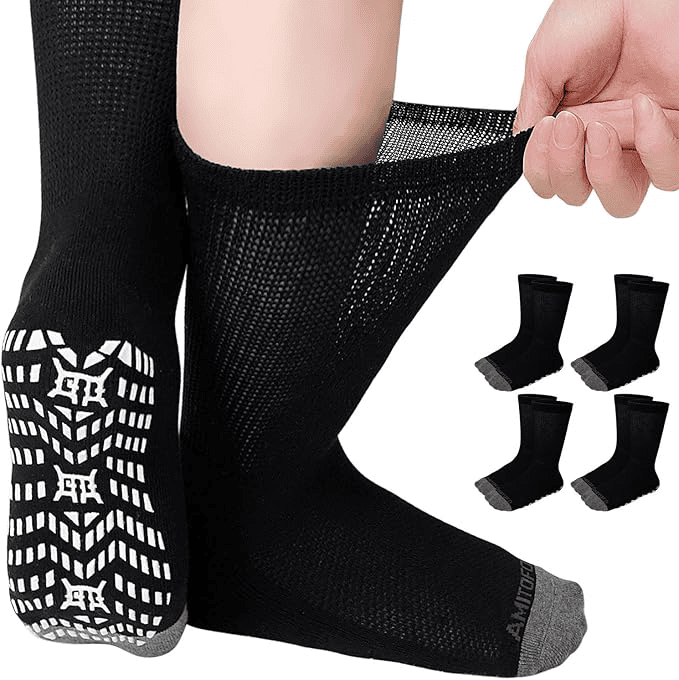
Hospitals usually send you home with one pair of grippy socks, but it’s smart to have extras. These socks stay put, offer good traction on slick floors, and don’t pinch or bind. A small thing that makes a big difference.
Reusable Ice Packs

These gel packs stay flexible even when frozen and are large enough to cover the back or legs. They come in a pack of two, so there’s always one that’s cold. They hold their chill longer than most and are sturdy enough to last through recovery.

If your loved one is dealing with hip surgery or inflammation, like my husband was, this wrap helps deliver cold therapy exactly where you need it. It stays in place and conforms to the body in a way that loose ice packs never do.
Raised Toilet Seat
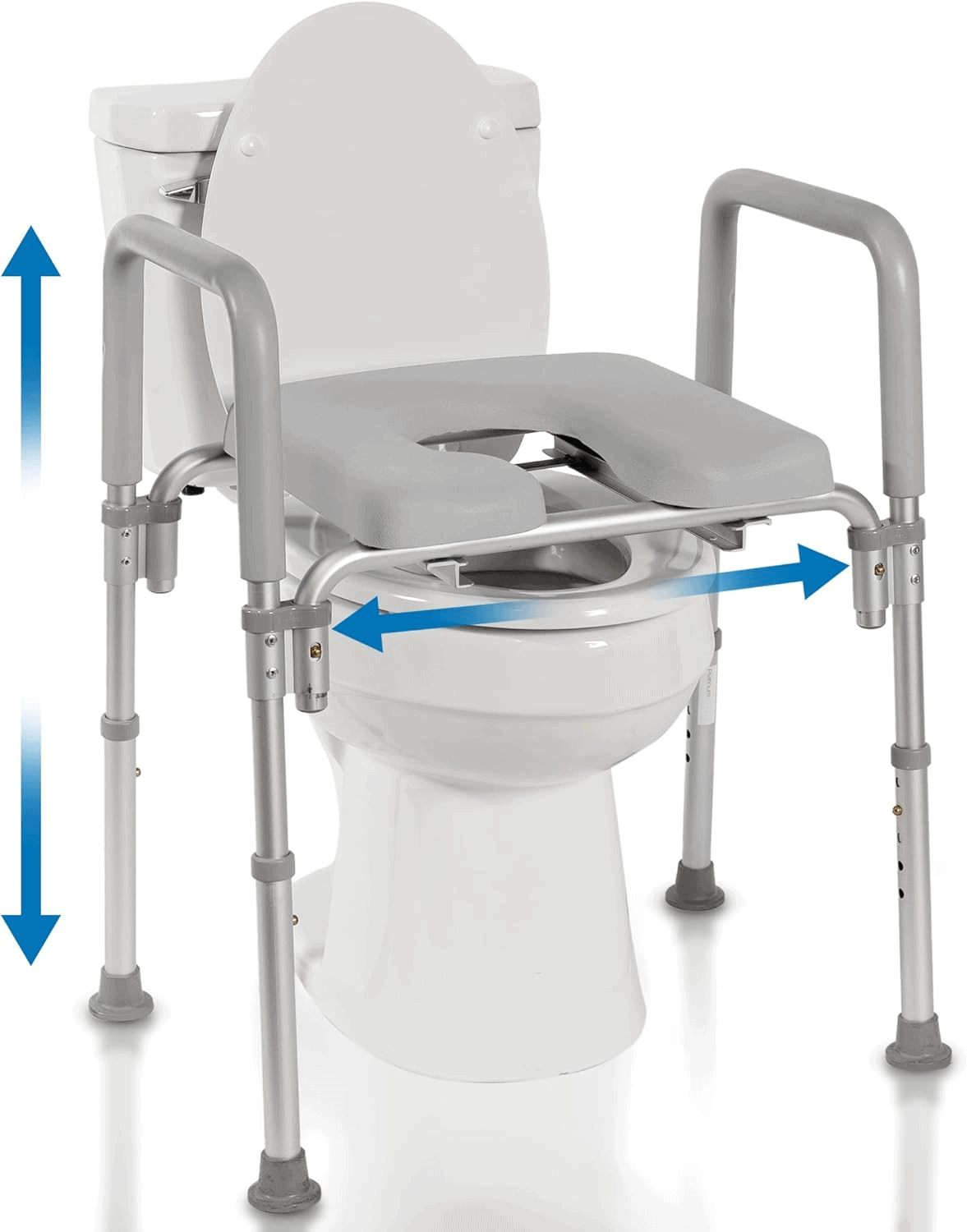
It’s not something you think about until you need it, but this raised seat makes bathroom trips so much easier. The added height and padded arms help with balance and support, especially when sitting and standing are a challenge. We jokingly called ours the “platinum throne”.
Grabber Assist Tool
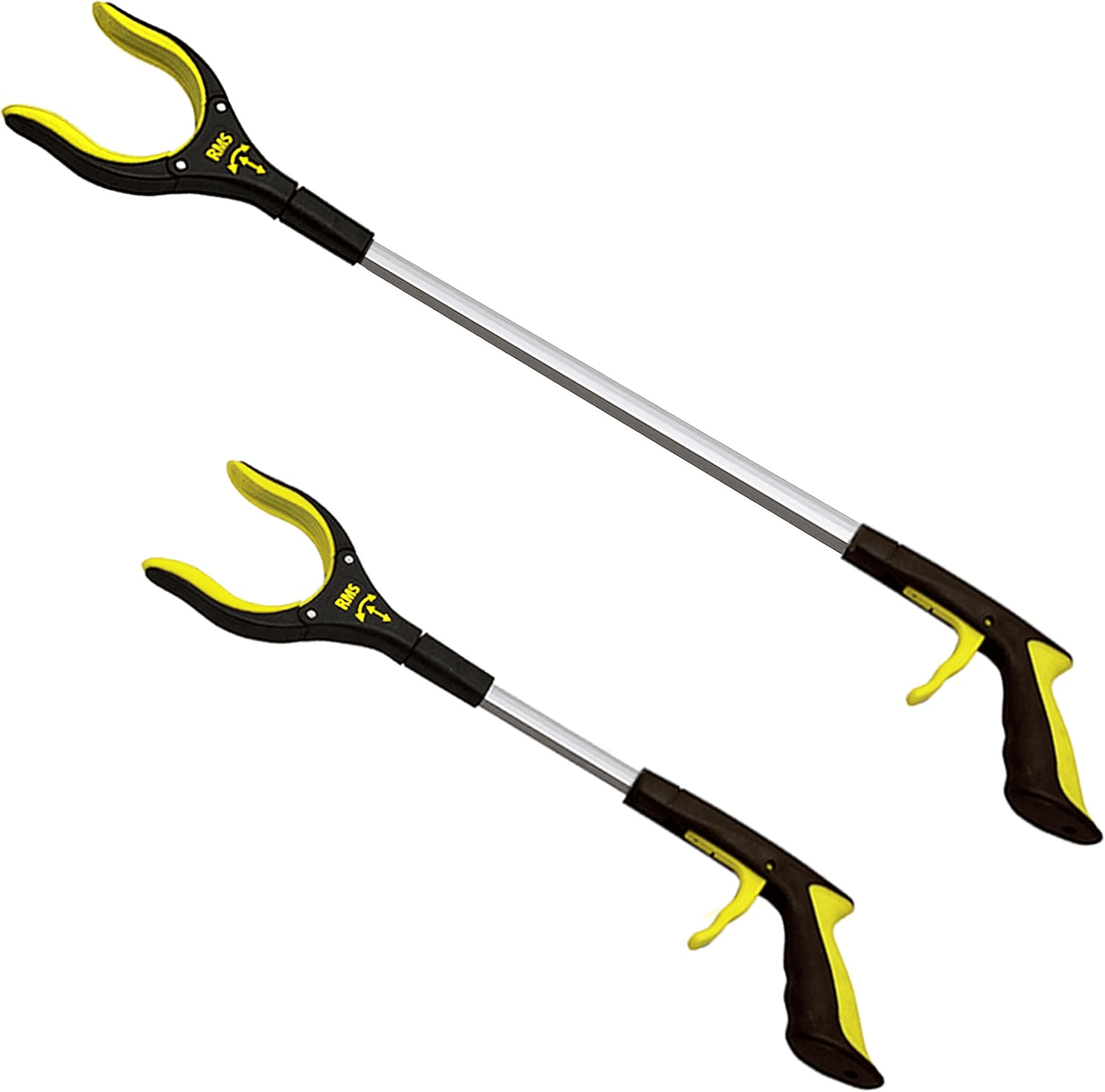
These grabber tools let you pick things up or reach high shelves without bending or straining. Handy doesn’t begin to cover it. We made a parlor game out out seeing just how well these worked and discovered they will even grab and pick up a thin dime.
Wedge Pillow
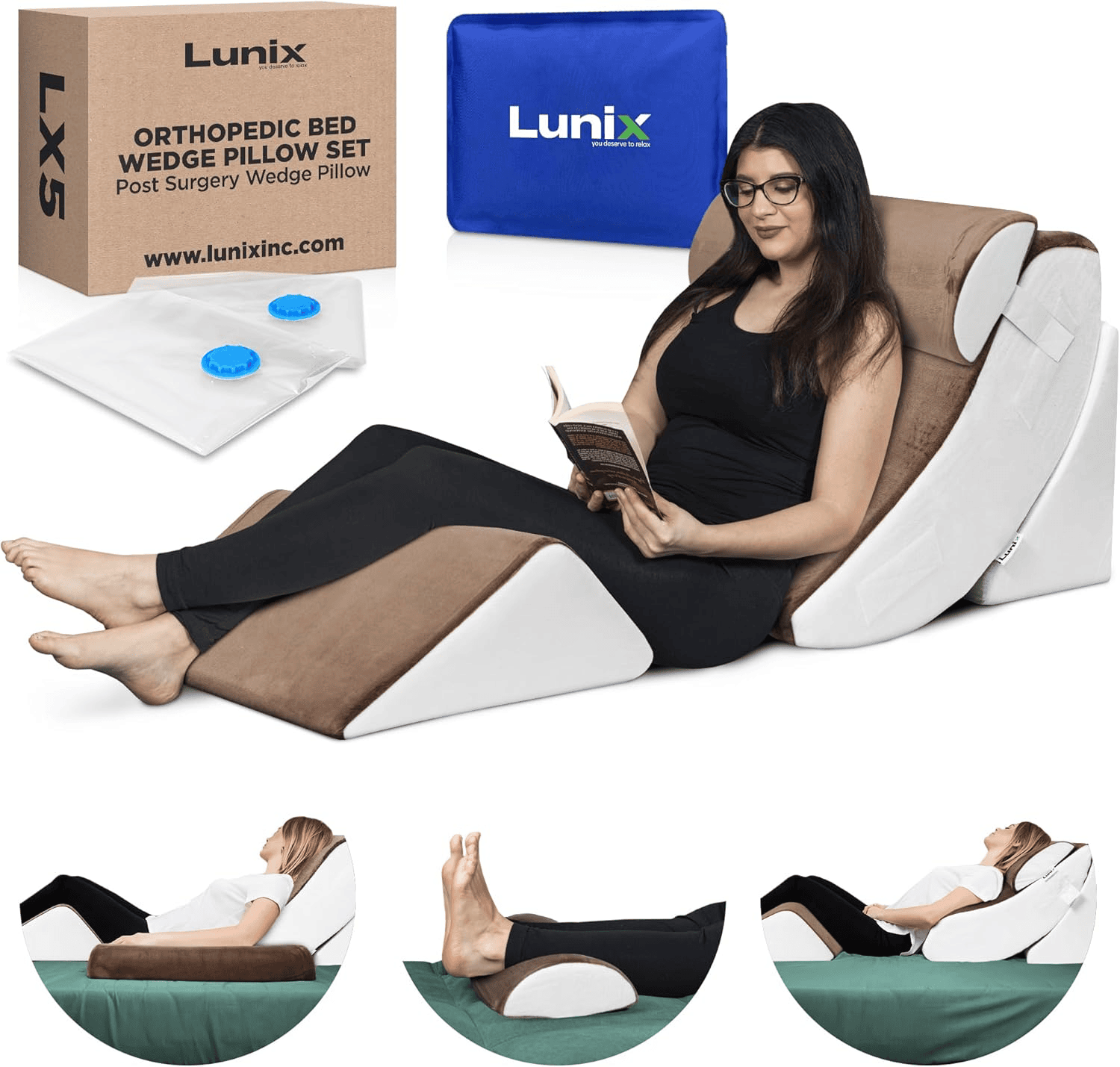
Sleeping after surgery can feel impossible without the right support. This wedge set helps you elevate your legs, knees, or upper body depending on your needs. The memory foam holds its shape well, and the setup is surprisingly versatile.
Caregiver Pager System
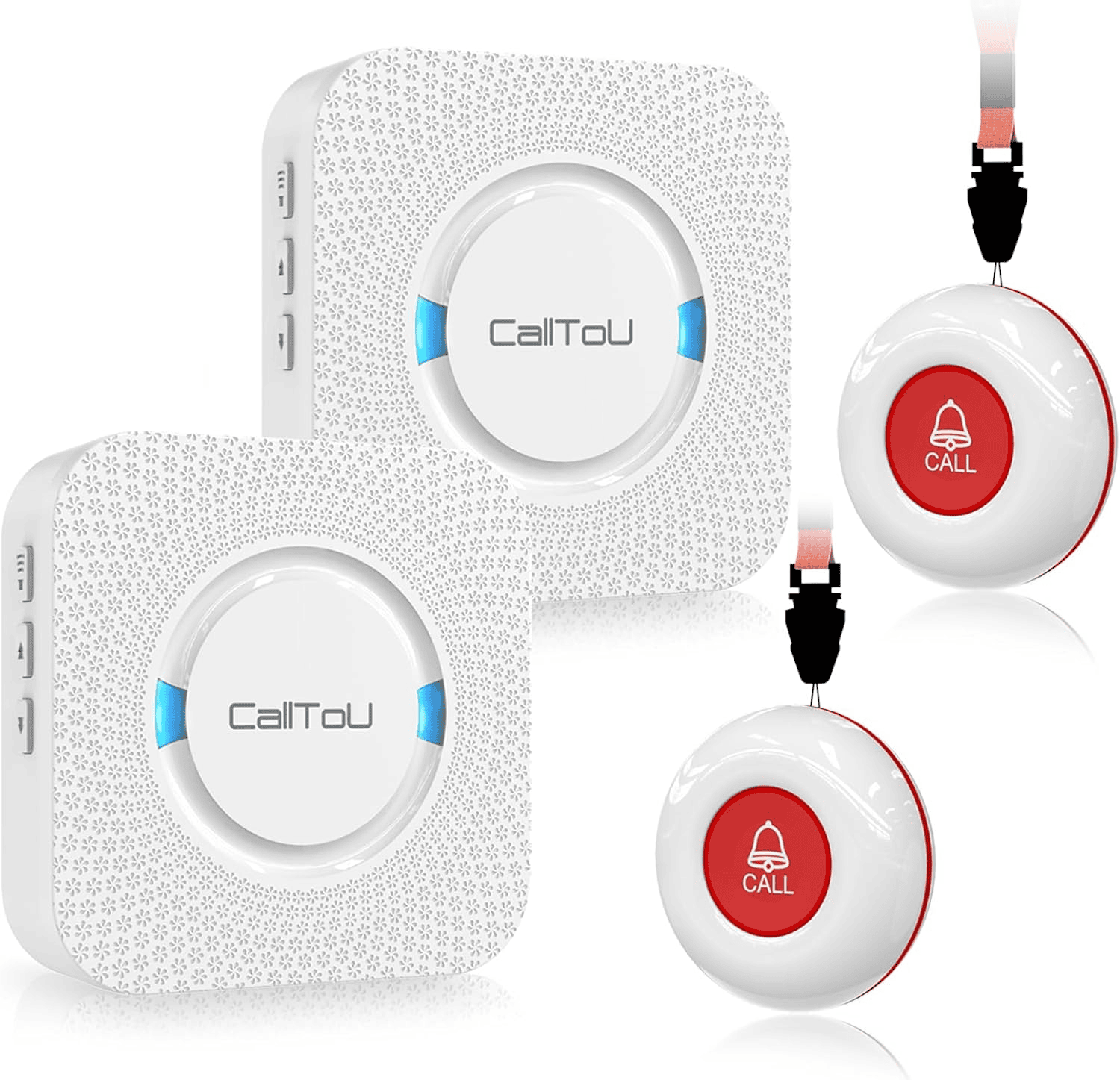
If you can’t be within earshot every moment, this little pager system is a lifesaver. No shouting across the house. Just a gentle call button for when they need water, meds… or help finding the remote. We do have a bell he could’ve rung, but something about that rubbed me the wrong way. It felt a little too “Downton Abbey” meets “nursing home”—and not in a charming way.
Rolling Bedside Table
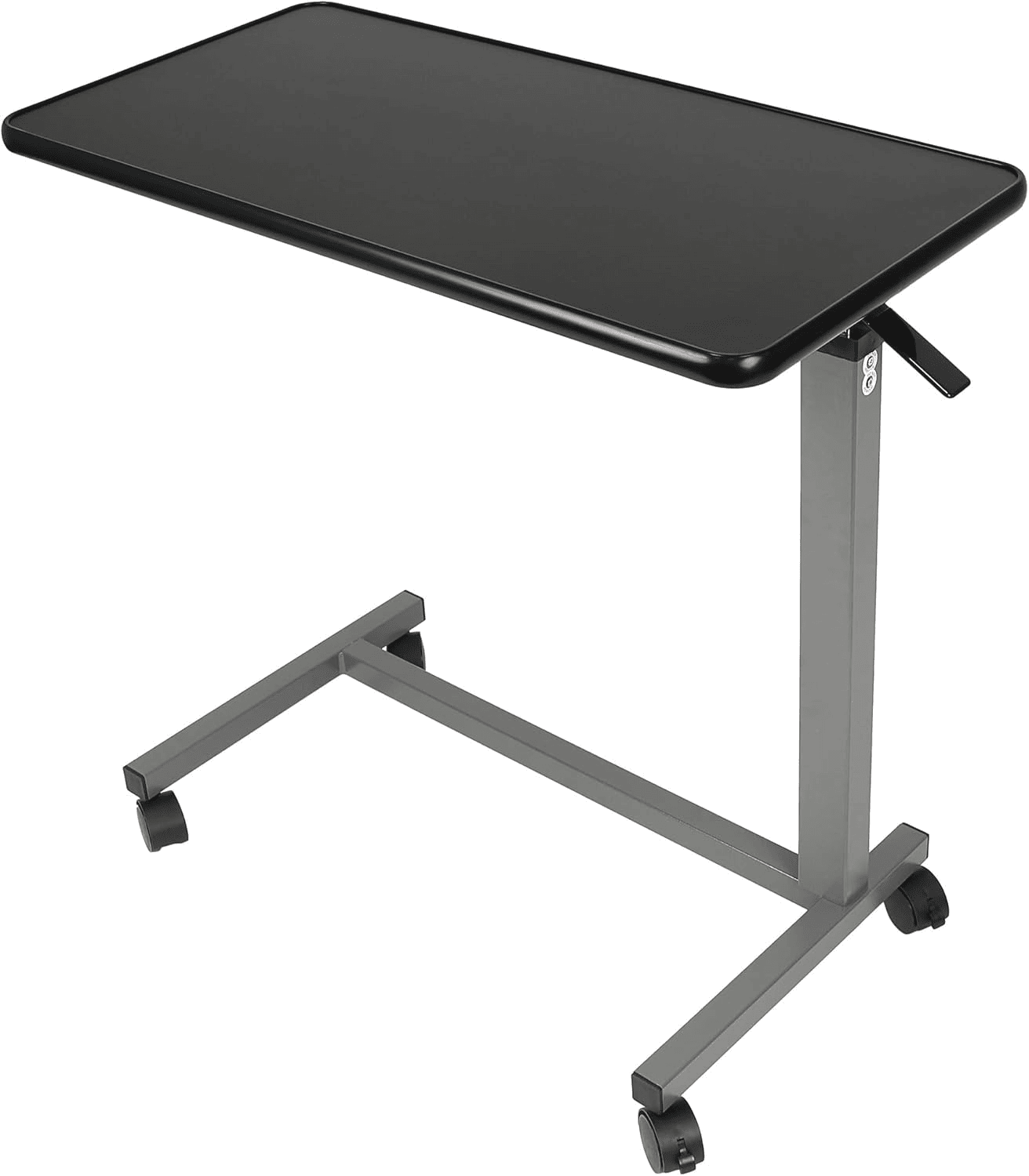
It’s a simple thing, but having a rolling bedside table means your everyday essentials like meals, water, reading glasses, medicine, etc., are all in reach. This makes day-to-day tasks a little more manageable for both the patient and the caregiver.
Adjustable Bed Rail
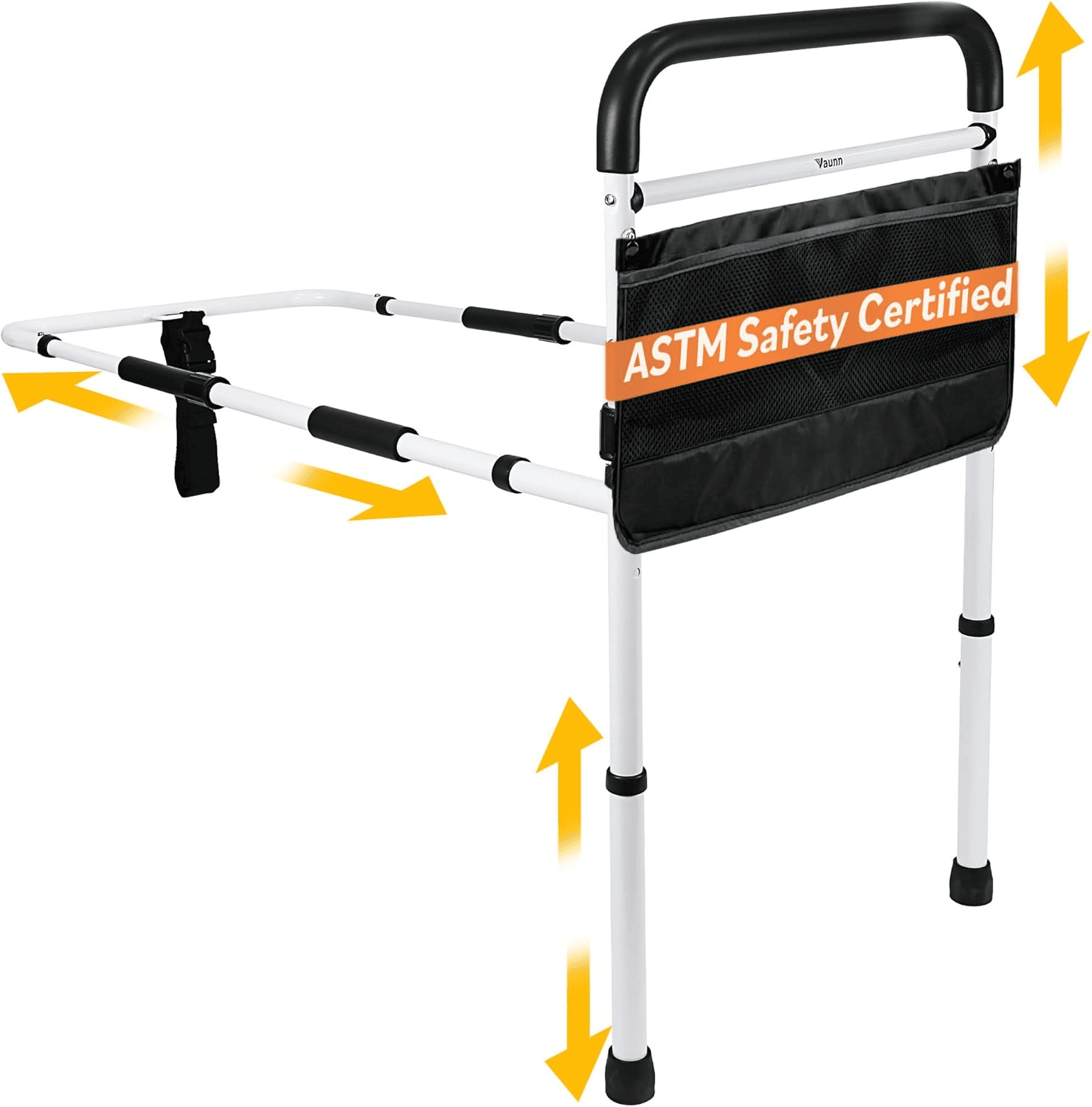
Getting in and out of bed becomes more complicated after surgery. This adjustable bed rail offers steady support and helps prevent falls. It installs without tools and doesn’t look too clinical.
Car Handle Assist
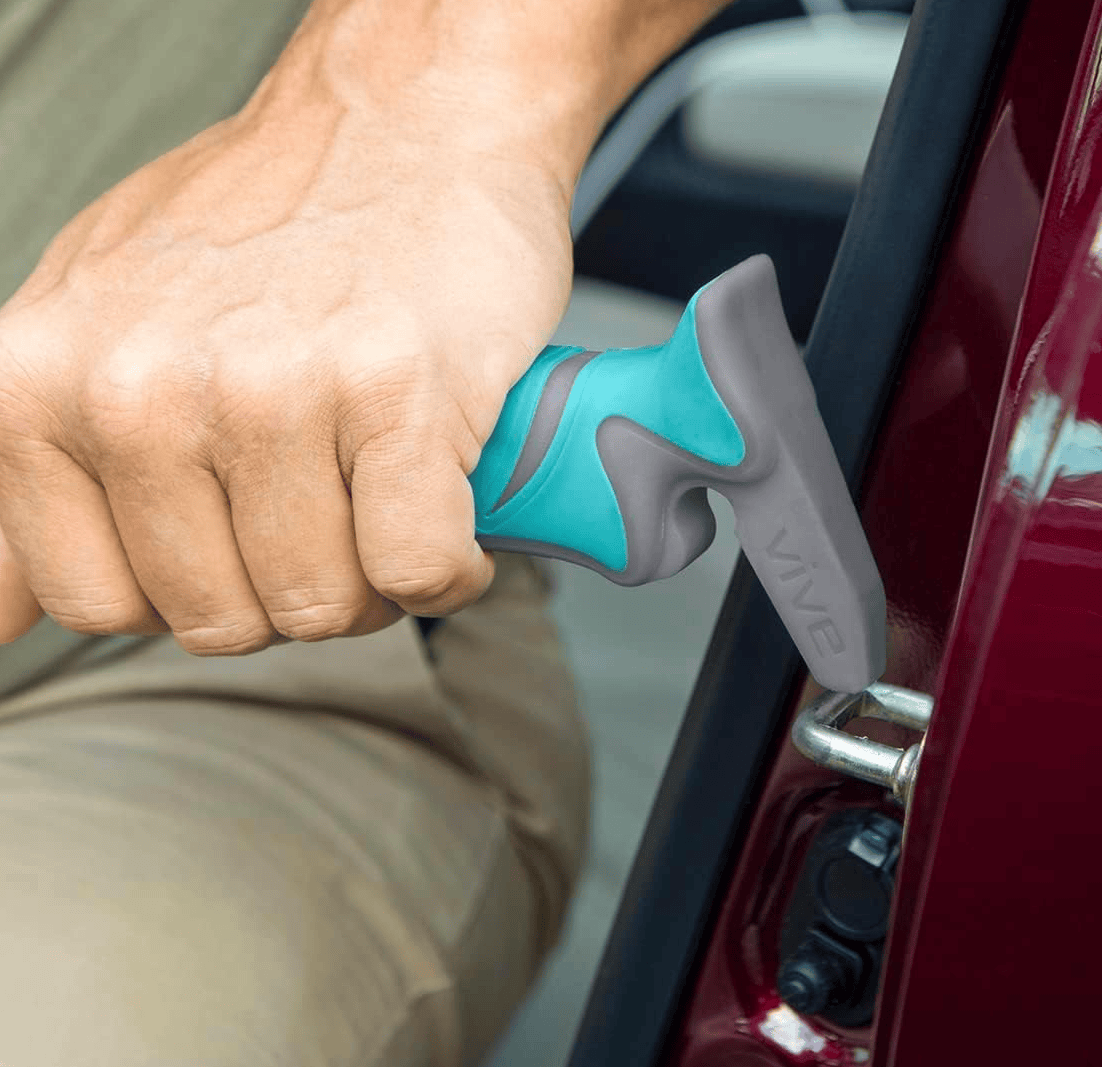
Car seats are low, and car doors are not stable supports. This tool slides into the door latch and gives you a solid handhold to push up from. It’s small enough to keep in the glove box and makes outings a little easier.
Temporary Grab Bars
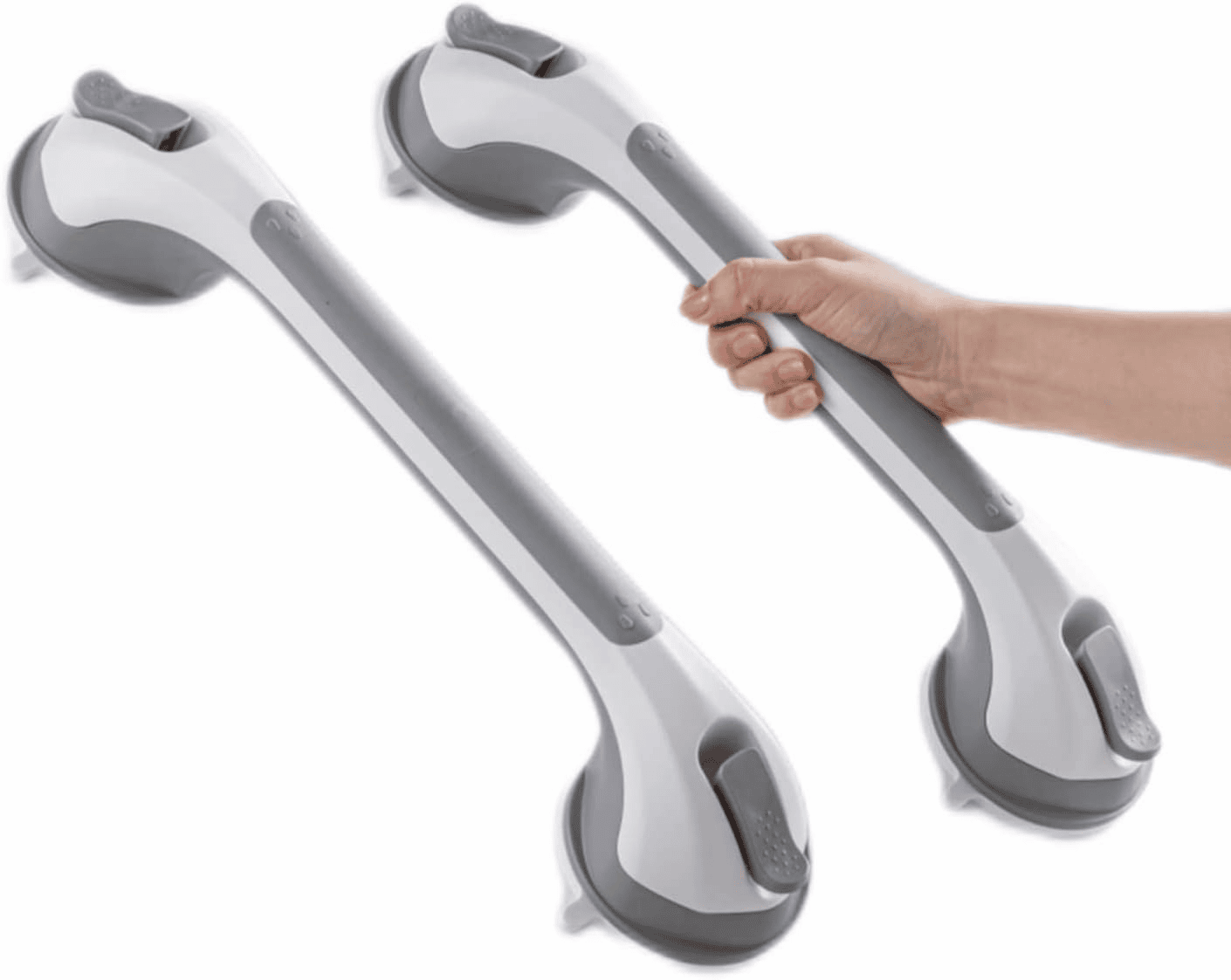
These temporary grab bars attach to tile or glass without drilling. Perfect for helping with balance in the shower, and they’re quick to install and easy to remove.
Adjustable Shower Stool
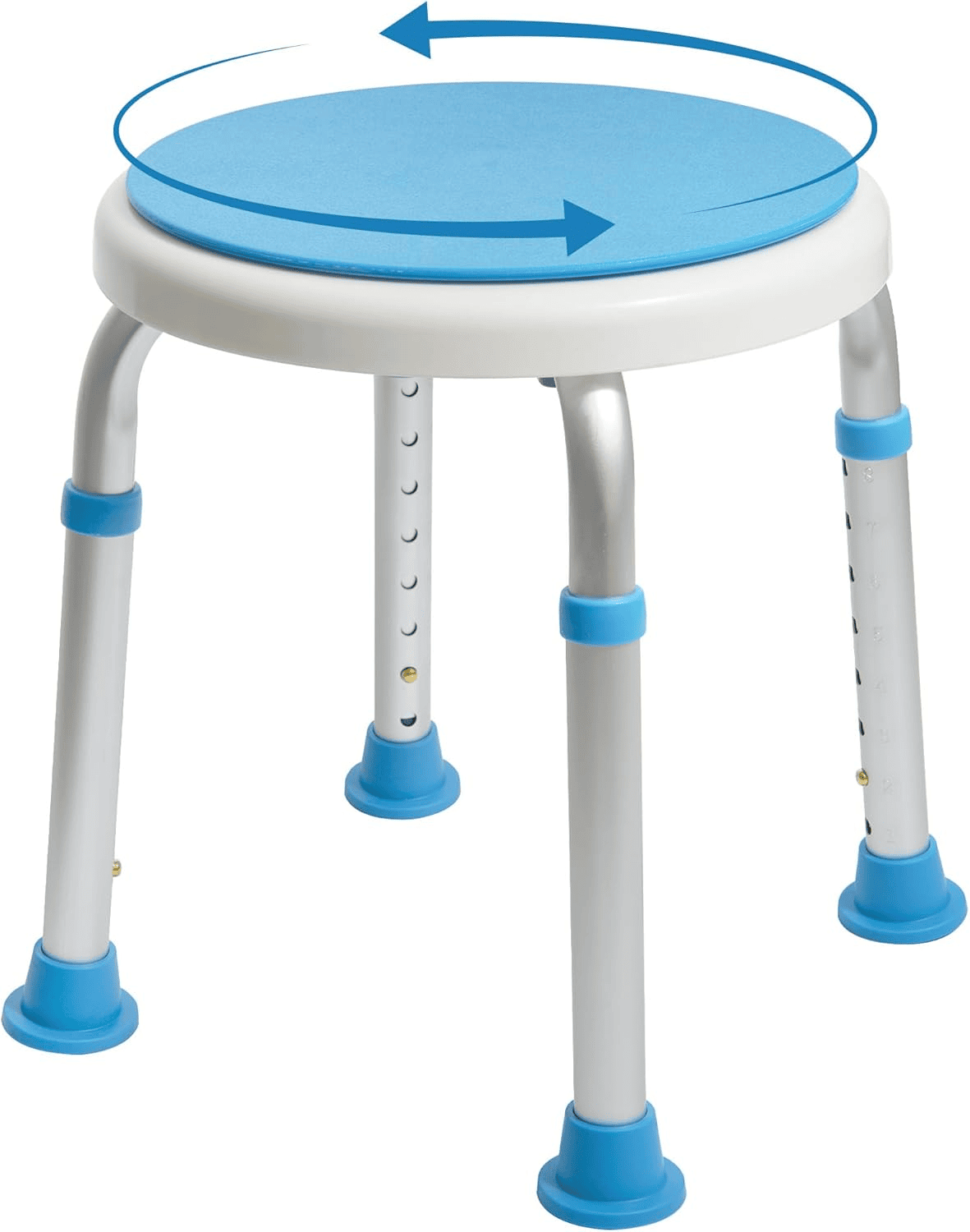
Standing for long showers isn’t always practical during recovery. This chair is lightweight but stable, and it swivels so you can move without twisting. The rubber tips help keep it in place even on wet tile.
Other Tools That Might Be Helpful for Post-Surgery Recovery:
- No-Rinse Bathing Wipes: A quick way to feel clean without the hassle of a full shower.
- Pulse Oximeter: Handy for keeping an eye on oxygen levels during recovery.
- Back Scratchers: Because there’s always an itch you suddenly can’t reach.
- Swivel Seat Cushion: Makes getting in and out of chairs or the car a little smoother and less awkward.
- Support Cane: Choose one with good grip and wrist support for better balance and control.
- Waterproof Leg Cast Cover: Keeps foot and ankle dressings dry in the shower without a struggle.
- Pill Tracker Stickers: A simple way to remember if you actually took your medication today.
- Motion-Activated Night Lights: Helpful for late-night bathroom trips or moving safely in the dark.
- Seat Belt Pillows: Adds comfort and protection over tender chest or abdominal surgery areas.
- Bio-Oil Skincare: Gentle and effective for soothing dry or sensitive post-op skin.
Having even a few of these items ready before surgery can make a stressful time feel more manageable…maybe not easy, but a little less overwhelming. Caregiving doesn’t come with a manual (though it probably should), and no two recoveries are exactly the same. But the right tools really can take the edge off for both of you.
Have you gone through a home recovery with a spouse, parent, or friend? I’d love to know what helped or what you wish you’d known before you were suddenly in charge of ice packs, meds, and bathroom logistics.
What a helpful article!
I had rotator cuff and biceps tendon repair surgery 2 years ago and have saved a document with helpful tactics.
It’s not easy and helpful tips are so welcome!
When updating our bathrooms, we put in “boomer toilets” (higher seats). It’s perfect for aging boomers!
Wow, this post looks like a lifesaver! My parter had both shoulders replaced (a year apart), and then broke his neck last year (he’s doing pretty well now). It would have been brilliant to know about some of the gadgets and solutions you mentioned above. I’m going to save your post for the next time we need extra help. Thanks so much for putting it together. As someone who knows how grueling it can be to be a caretaker, I’m glad to hear your husband is recovering–and especially glad that you’ve recovered from his recovery!
Wow! That’s very scary.
So helpful, Jennifer. I’m saving this.
Thx for the info…..and the great wit!
My tall active hubby. Had two hips done six wks apart and then a knee a year later . ( had a long demanding paratroop military career ))
He went from walker to a tritipped bottom cane ( better balance ) to one tip rubber tip cane .to nothing , ..good to have those canes on hand .for rehab !
Most drug stores ,walmart , or online have them .. shower chair or stool and tall toilet seat .too.
and a portable foot cycle the pt recommended after knee surgery .walmart had one.
We eventually moved to home with no stairs .
He still needs hand rails for balanceand avoids low seats or stairs and has given up laddders and roof cleaning haha !
Also helped to put our bed on leg risers to make it taller so he he didnt have to push to get out of or into bed ..
Now 10 yrs later still walks a mile or two and golfs with cart
Knee rehab is importsnt !
Amazing Susan!
Jennifer, thank you for sharing. I am a home health nurse and I learned a few tips and tricks from your post.
Wonderful!
Thanks Jennifer this list is saved. Hope I don’t have to need but life is unpredictable.
Bed risers: https://www.amazon.com/Best-Sellers-Bed-Risers/zgbs/home-garden/3732271
These are the little plastic “cups” that fit under the legs of your furniture to elevate them. Not just for beds. When I had a double hip replacement we used them on beds, sofa, chair. Made it much easier to get up and down….and easier on the caregiver’s back as well! They come in varying sizes so you can customize to your needs. If you’ll be relying on a walker, go ahead and set it up (in advance) with a basket (on the inside, facing you), a cup holder, tray, etc. Purchase a bariatric walker, even if you’re not overweight. They are sturdierDon’t forget you can use your Amazon Alexa devices as intercoms and for the “Call my buddy” function.
Consider at least one week or two would be better at a good rehab center after knee surgery. It is more painful than a hip surgery. They will work with him on walking, sitting and bending that new knee. Your husband is considerably taller and larger than you are and as a nurse for 30 years, I can tell you professionally that it isn’t a good idea for you to do the initial post op care after a knee. If your insurance allows that extra care then do it. They can also teach you whatever PT exercises he must do for a complete recovery. I wish we would have done this after my total knee joint replacement surgery in 2013. I agree about the wipes. Just put a wastebasket liner in a small wastebasket beside the toilet and empty it daily. Do not flush wipes no matter what it says on the packaging. A home health aide could help during the second or third week of recovery and after that he should be pretty mobile and able to take care of himself.
Hi–This was a helpful article. I live alone, have rheumatoid arthritis and have had many surgeries on various parts of my body. Right now I am recovering from having my battery replaced for my implanted pain control device called a neurostimulator. It was a simple surgery but can’t bend or do any lifting beyond a quart bottle of milk for 6-8 weeks. The grabber device is wonderful! I’ve had one for years. I have a sock device but it doesn’t work for me- same with the grabber bar. I got a permanent grabber bar and am thankful for that. The rotating shower stool is something I’m going to look at. This article will be saved–excellent advice!
Feel better soon Brenda!
Thank you so much for this thoughtful and well researched post. When I had both my knees replaced (yes, at the same time!) years ago, I looked high and low for this kind of information. Not to be found all these things that make your life easier. My husband was my caregiver and I’m surprised he didn’t divorce me, because we had to learn all this the hard way! Bless you for sharing your ideas, we are all at or nearing the age where these things are happening to us or those we are helping. So glad your husband is on the road to recovery!
Wow, I didn’t know they would do both knees at the same time! That must have been rough.
Just a heads up- knees replacements are harder than hip replacements. All of these are very good ideas- esp the socks-reachers- temp grab bars-wiper. The toilet raiser/ chair is better than the toilet seat riser I think they are more stable and have the handles to push up. The one I would use caution with- the wedge under the knees- most ortho surgeons will tell you nothing that will put pressure to the back of the knee area as it may cause blood clots (or at least a higher risk and that risk is already high having surgery on a lower extremity). You can flip the wedge the other way so the knee is extended or straight- it will still elevate the legs/ feet- so it helps with swelling but will not put pressure behind the knees
I will ask about the wedge, thank for the heads up.
I broke my back a couple of years ago (fully recovered 🙏🏼) and one of the main things I needed & finally found was that washing my hair while in bed was all but impossible. I found on Amazon shower caps that were for a waterless shampoo! It wasn’t ideal, but sure made me feel more human. There are several varieties & the cost is reasonable.
Ouch! Thanks for sharing that resource Gina
I was fortunate enough to have hairdresser friends that allowed me to come to their salons 2x a week to have my hair washed!🥰
I always appreciate your honest and informative posts. My husband has undergone 2 hip replacements and is still recovering from a hip revision( removing an infected hip implant and replacing with a temporary) on May 28th.
So this is not our first rodeo, but I still found helpful tips in your post. We have so much medical equipment, we joke that we could open a medical supply store. However, I discovered we could use the bedside table, swivel seat cushion, and pager system(lots of shouting here). We were so happy to find the grippy socks and threw away the hospital ones immediately. I noticed that I have been using “We” as I wrote because, truly, you are both experiencing the trials of recovery. Thank you for such a helpful post. Good Health to you and your husband.
I hope he’s recovered soon. We had a friend who needed the same revision as your husband.
Jennifer Thank You!!!! My sweetie is looking to schedule both knees and an ankle in the near future..Sequence of events/surgieries not in place yet. I’m keeping your very thoughtful and comprehensive blog for reference. His townhouse is two stories and I’ll be moving between my home and his..should be exciting times. We’ve already survived an emergency shoulder replacement surgery…….
Ouch, that emergency shoulder replacement sounds scary…and painful.
Hello Jennifer
I was so glad to see your list. As we get older things happen we may not expect so having most of the things on your list is good to have on hand.
Not only needed for hip or knee surgery but any type of surgery makes your ability to take care of yourself difficult. I had breast surgery and used quite a few of the items you listed.
Caregiver’s need all the information and help to make their jobs easier!
Thank you for getting the information out there.
I have had both knees and both hips replaced. Wish I had known about some of these things. When they replaced my last hip, they fractured my ankle. That was my worst recovery. Wish I had had some of those items to help. I need to have my shoulder replaced but I am waiting until I can’t use my arm (not really).
Thanks for all your suggestions.
Wow, that sounds just brutal! I’ve just learned my shoulders are both bone on bone so I don’t know what the future holds forn them.
I had to laugh when you said you were recovering from your husband recovering. My husband had bi lateral knee replacement in 2023 and I took on a month long assignment as a substitute when he was able to get around on his on, just so I could get away. Haha.
So many of the items you listed also worked for me and my husband and I’m so glad you shared this post so others can benefit from them.
Some levity….those of us that aren’t natural nurses may relate … my sister in law once said to her ailing spouse….”I’d like to put you out of MY misery…” !!
LOL, that’s hilarious!
Thank you so much for this information! I know you have said it before, but did your husband have a hip replacement? Was it an anterior or posterior surgery? I asked because I am anticipating have to have a hip replacement with the anterior approach.
His doctor went in from the side for the hip replacement. I understand that means less muscles to cut.