
How to Prepare Your Home When a Loved One Is Coming Home from Surgery
There’s nothing like post-surgery recovery to remind you that caregiving is not for the faint of heart, or the easily grossed out. When my husband had hip surgery in April, I became a full-time nurse, part-time waitress, and reluctant home safety coordinator. At one point, I found myself reading Amazon reviews for bottom-wiping tools at 11 p.m., which is a sentence I never expected to type.
Recovery takes time, and the little things like getting dressed, climbing out of bed, and sitting on the toilet suddenly require the coordination of a small pit crew and the patience of a saint. (Spoiler: I am not a saint.)
If someone you love is preparing for surgery, I won’t pretend it’s easy. But I can share a post surgery recovery list of items that actually made our lives easier. Some were suggested by medical professionals. Others we learned about after a few missteps (and a couple of bruised shins). Either way, they helped. And when you’re sleep-deprived and stressed, helpful is worth its weight in gold.
You may also enjoy How to Help Boost Your Immune System to Keep Healthy
Helpful Items for At-Home Surgery Recovery
Sock Aid Tool
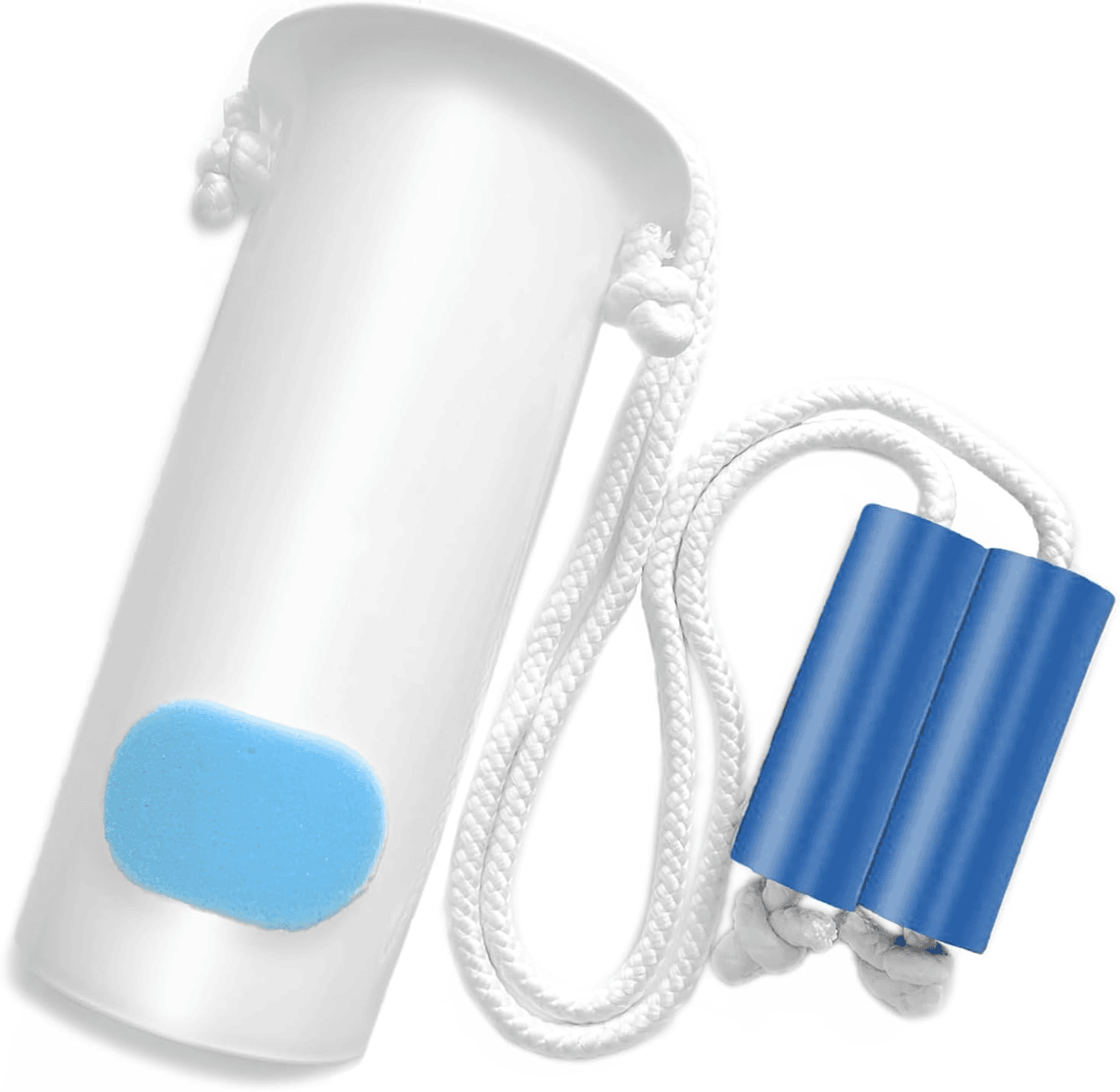
Getting socks on after hip or knee surgery is no small task, especially when bending is off the table. This sock aid tool makes the process so much easier. Foam handles offer a better grip, and it works with most types of socks. It’s not glamorous, but it’s effective. My sister-in-law saw it and thought it looked like a fabulous idea so I bought one to give her for Christmas.
Pill Bags
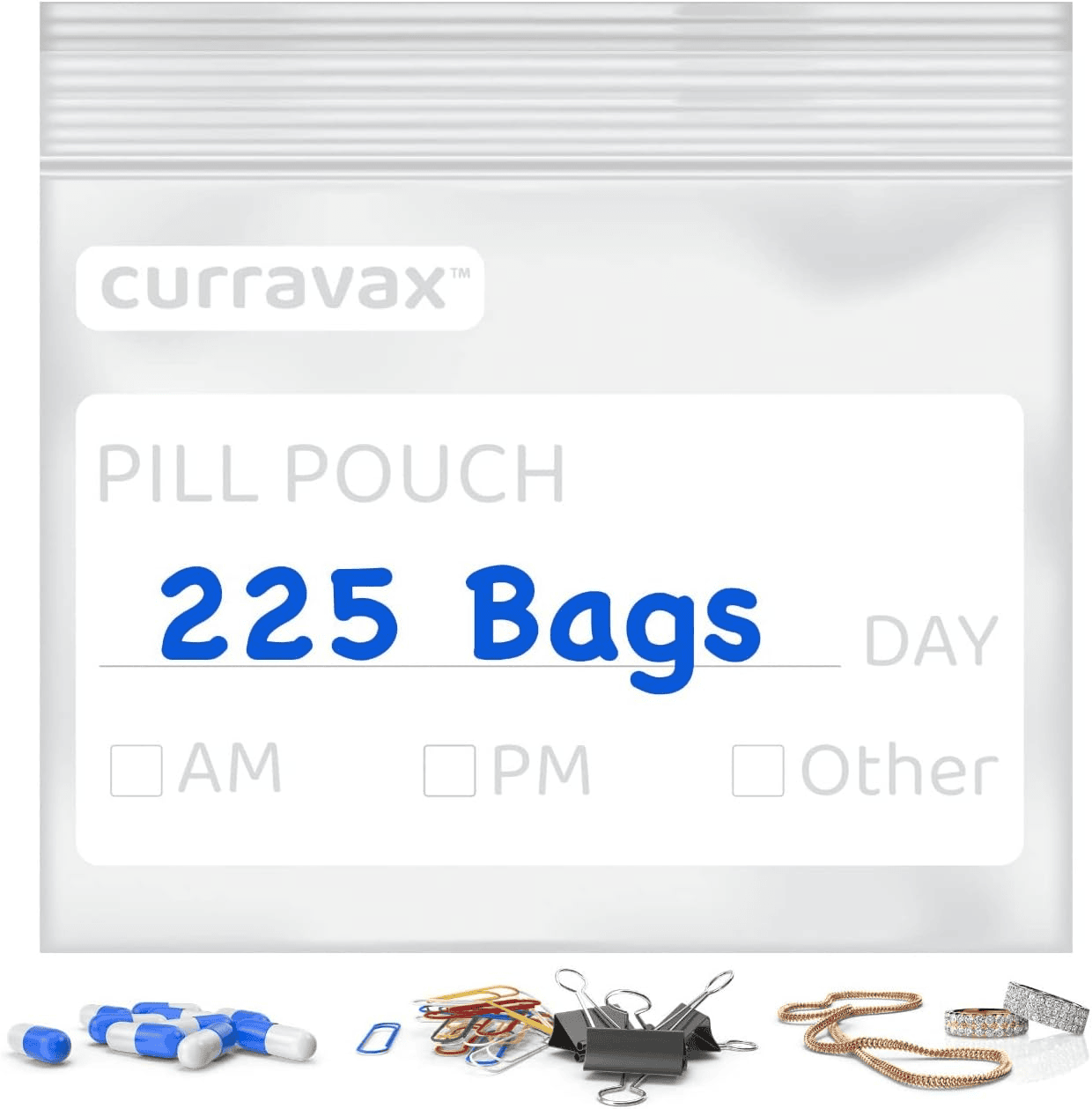
Keeping track of medication can get overwhelming fast, especially if multiple prescriptions are involved. These small pill bags are easy to label and great for staying organized, whether you’re managing a daily schedule at home or prepping doses for a short trip. I always travel with these now because it’s more compact and easier to pack than my weekly pill organizer.
Bottom Wiping Tool
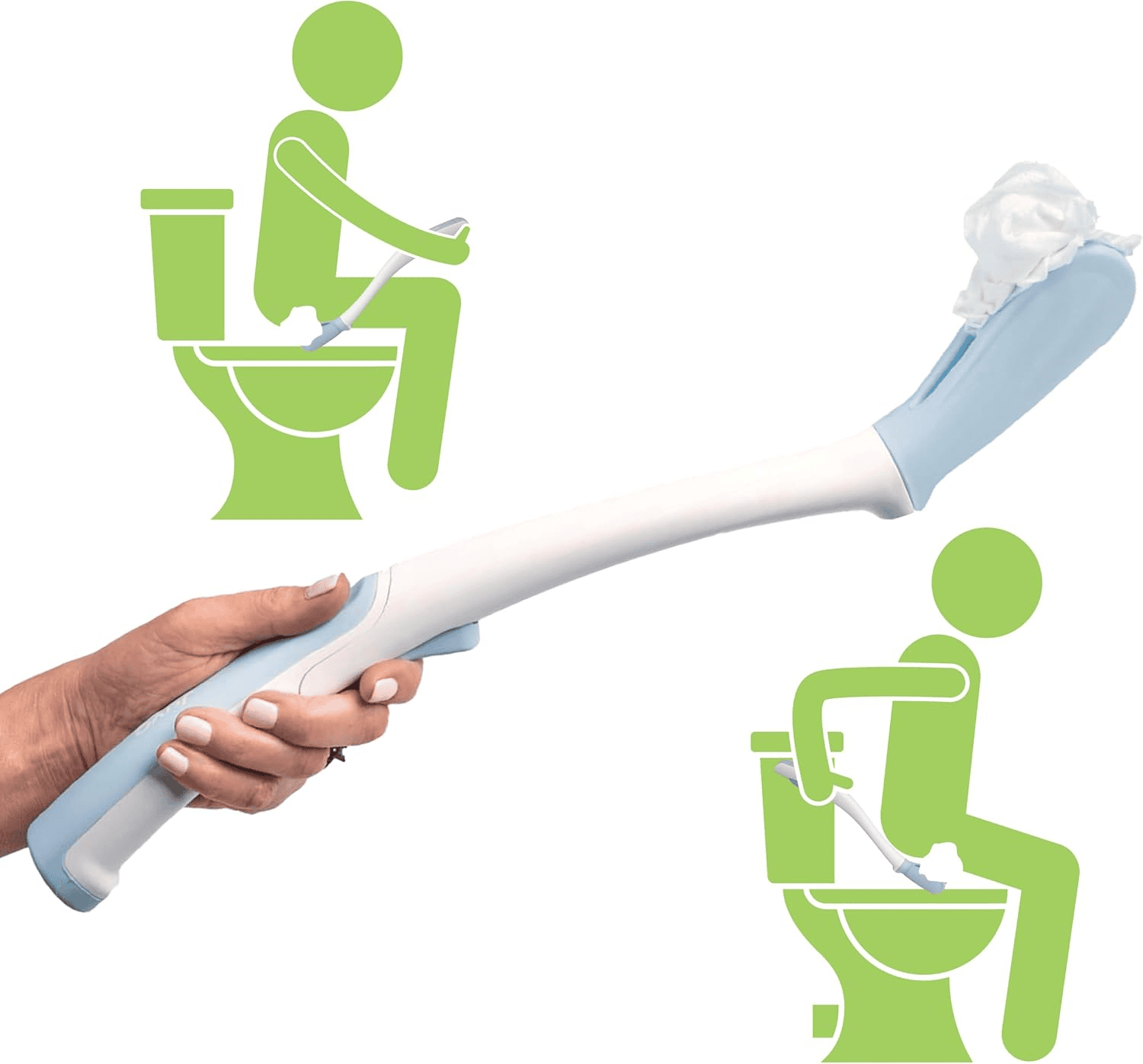
Not something most people want to talk about, but if you’ve had surgery or limited mobility, this bottom wiping tool is a game changer. It extends your reach so you can maintain independence and dignity in the bathroom. It’s discreet, easy to use, and frankly, a sanity saver.
Flushable Wipes
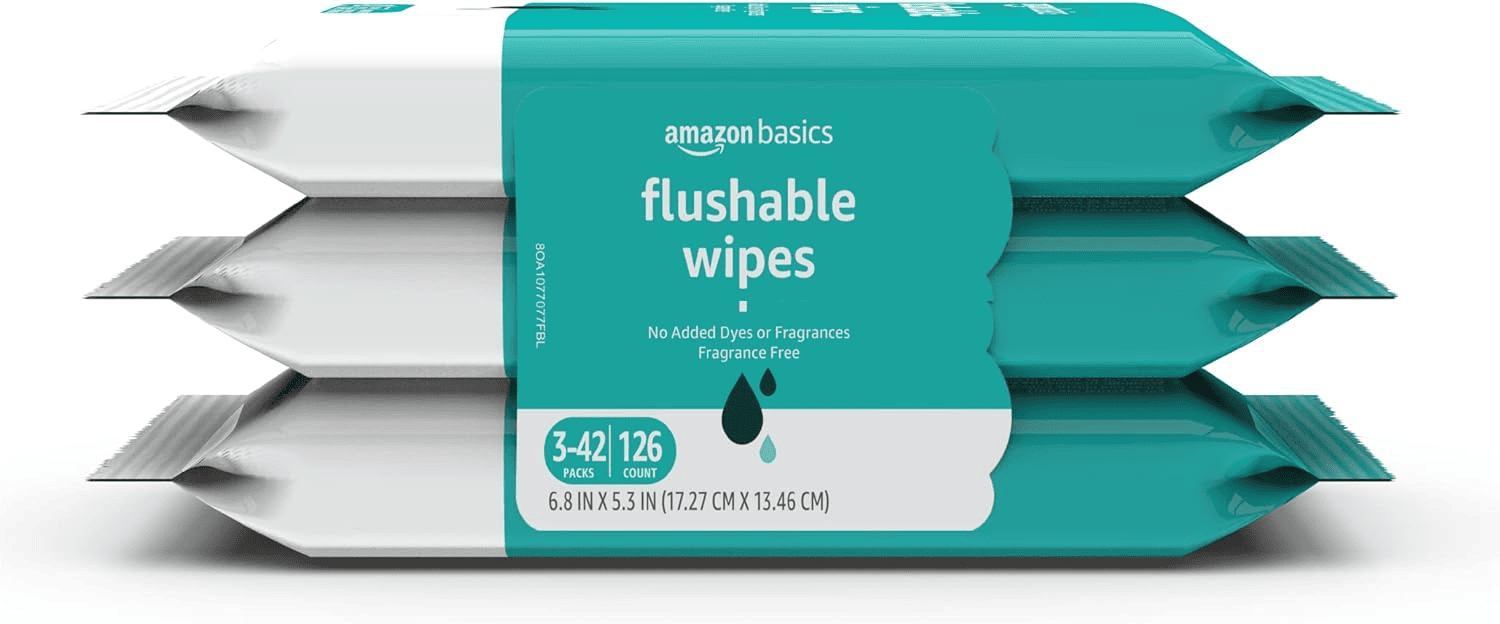
After surgery, comfort matters… and that includes in the bathroom. These fragrance-free wipes are gentle and easy to use. Not fancy, but appreciated.
Grippy Socks
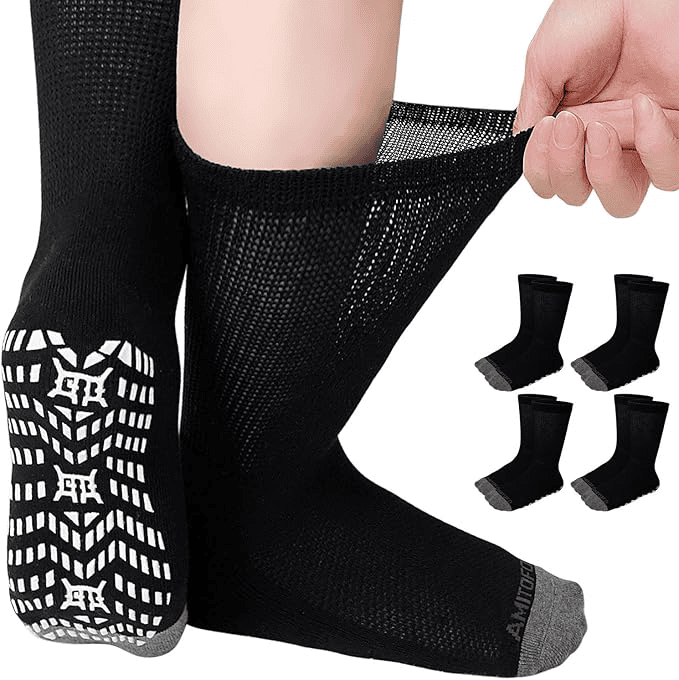
Hospitals usually send you home with one pair of grippy socks, but it’s smart to have extras. These socks stay put, offer good traction on slick floors, and don’t pinch or bind. A small thing that makes a big difference.
Reusable Ice Packs
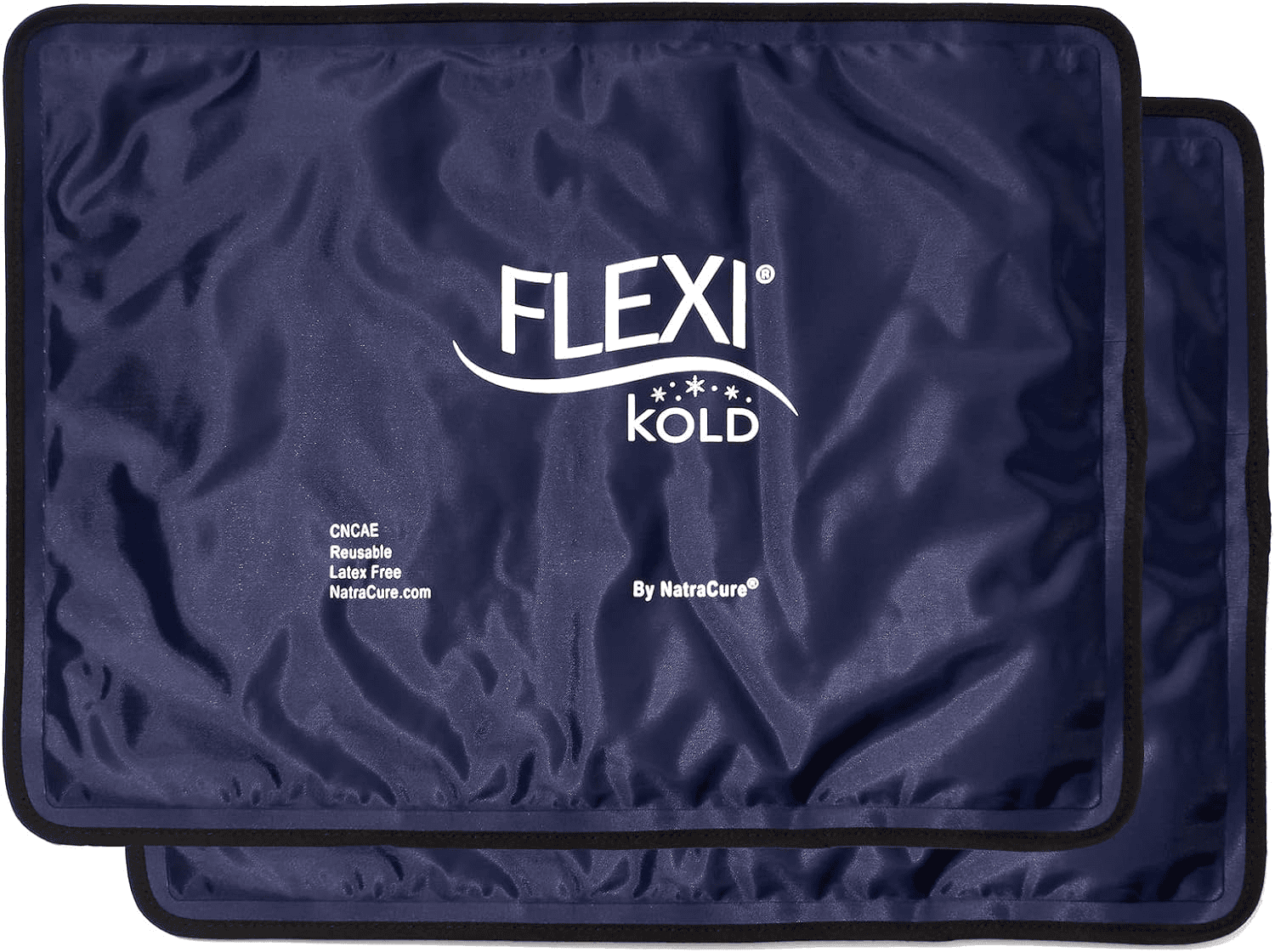
These gel packs stay flexible even when frozen and are large enough to cover the back or legs. They come in a pack of two, so there’s always one that’s cold. They hold their chill longer than most and are sturdy enough to last through recovery.
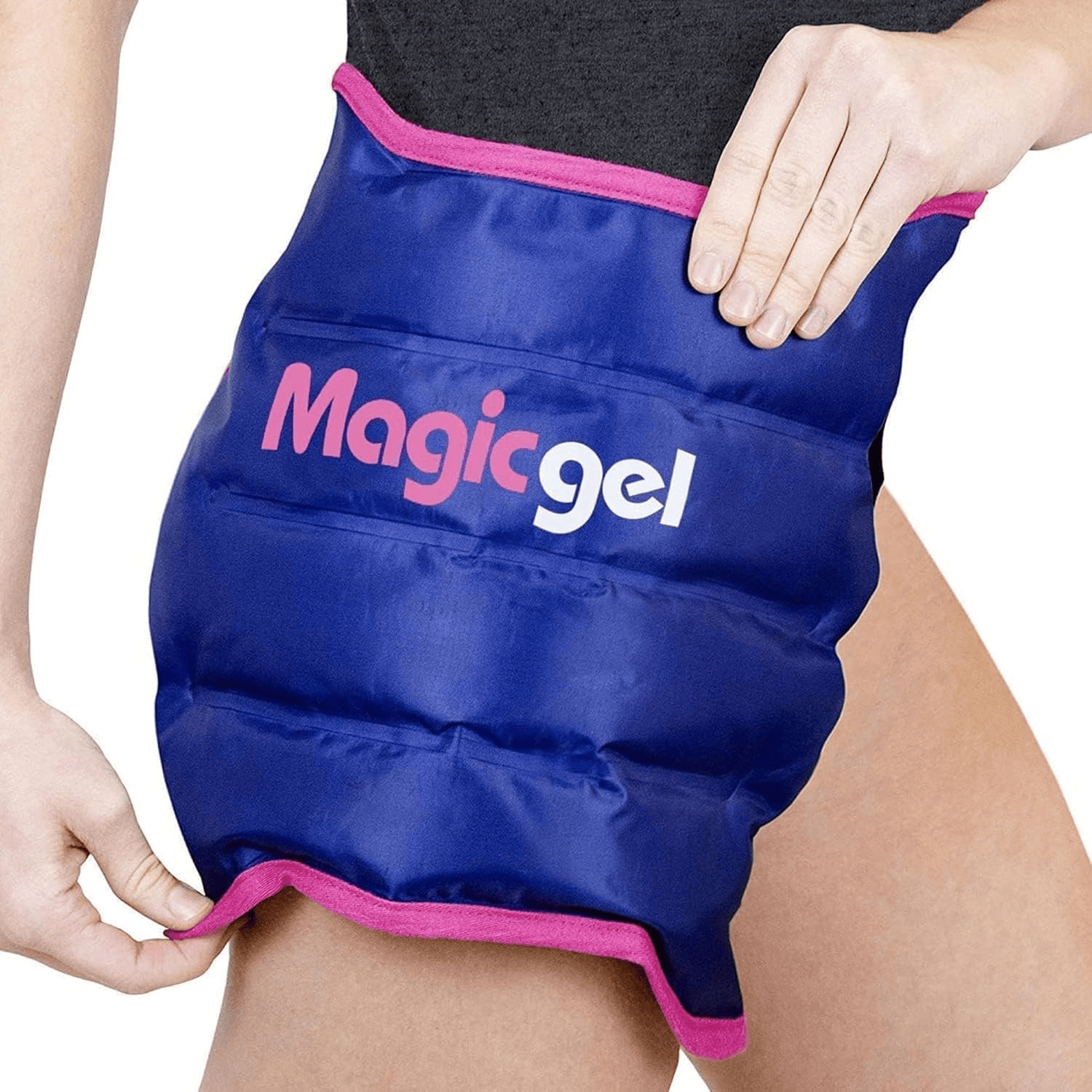
If your loved one is dealing with hip surgery or inflammation, like my husband was, this wrap helps deliver cold therapy exactly where you need it. It stays in place and conforms to the body in a way that loose ice packs never do.
Raised Toilet Seat
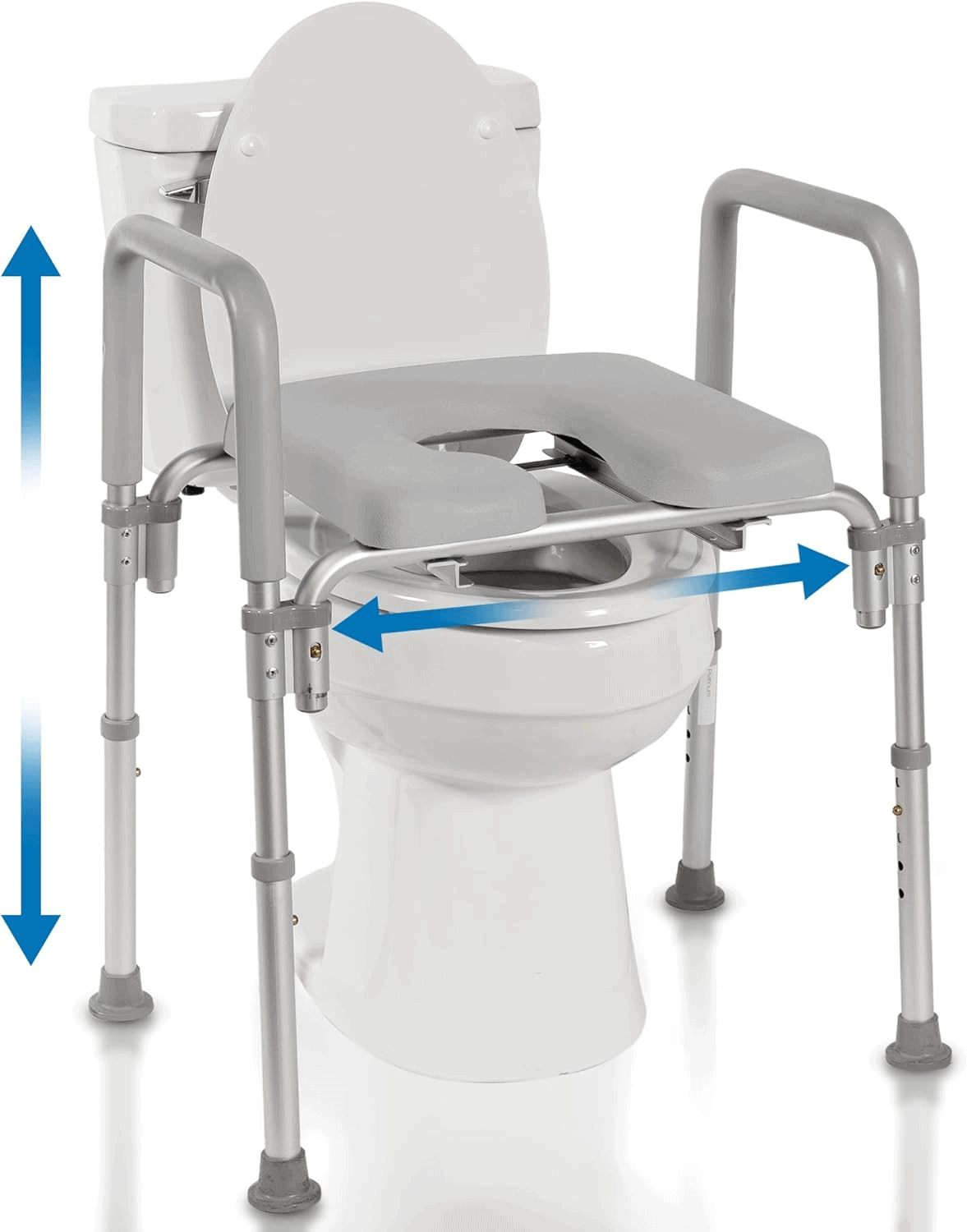
It’s not something you think about until you need it, but this raised seat makes bathroom trips so much easier. The added height and padded arms help with balance and support, especially when sitting and standing are a challenge. We jokingly called ours the “platinum throne”.
Grabber Assist Tool
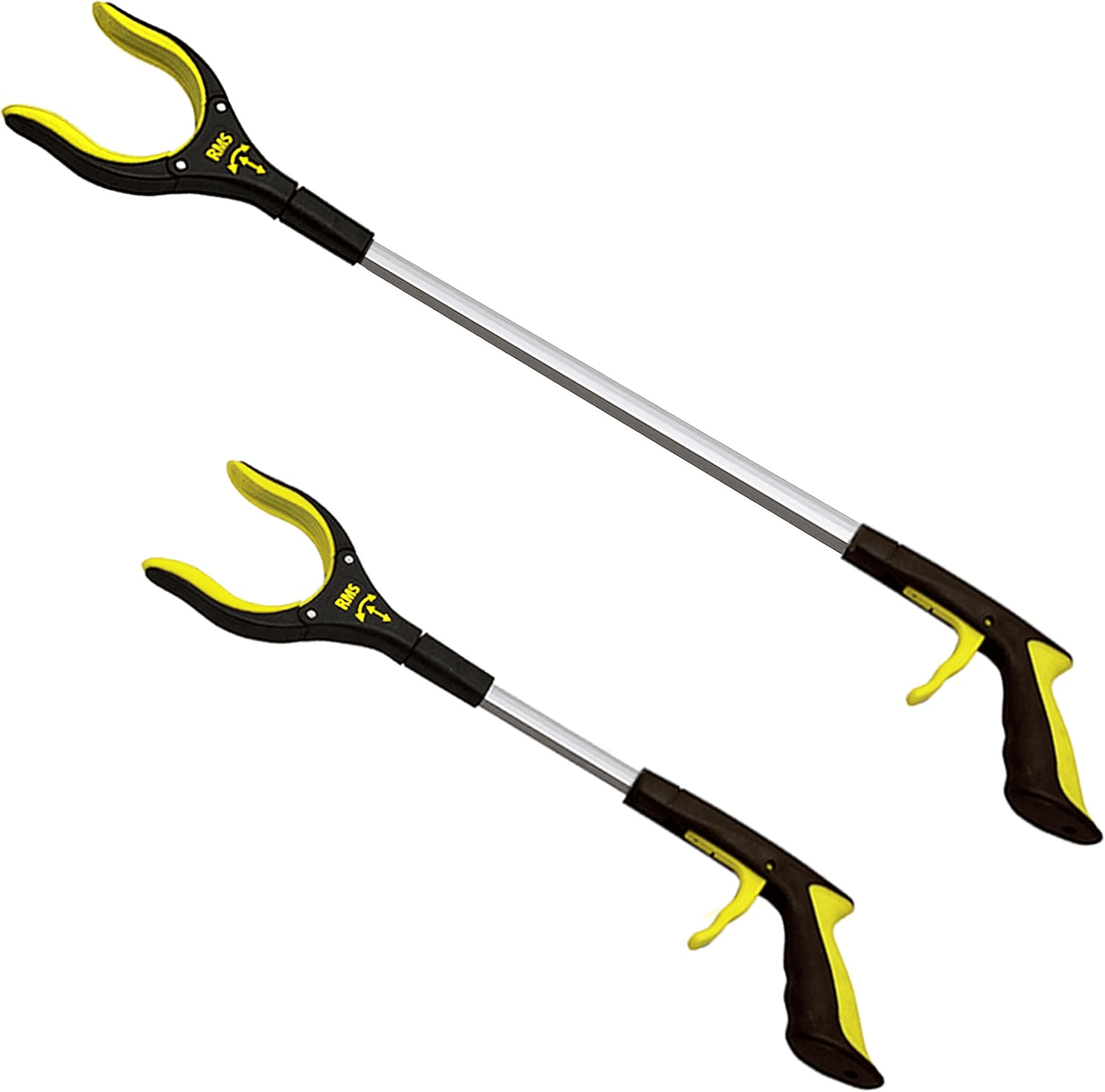
These grabber tools let you pick things up or reach high shelves without bending or straining. Handy doesn’t begin to cover it. We made a parlor game out out seeing just how well these worked and discovered they will even grab and pick up a thin dime.
Wedge Pillow
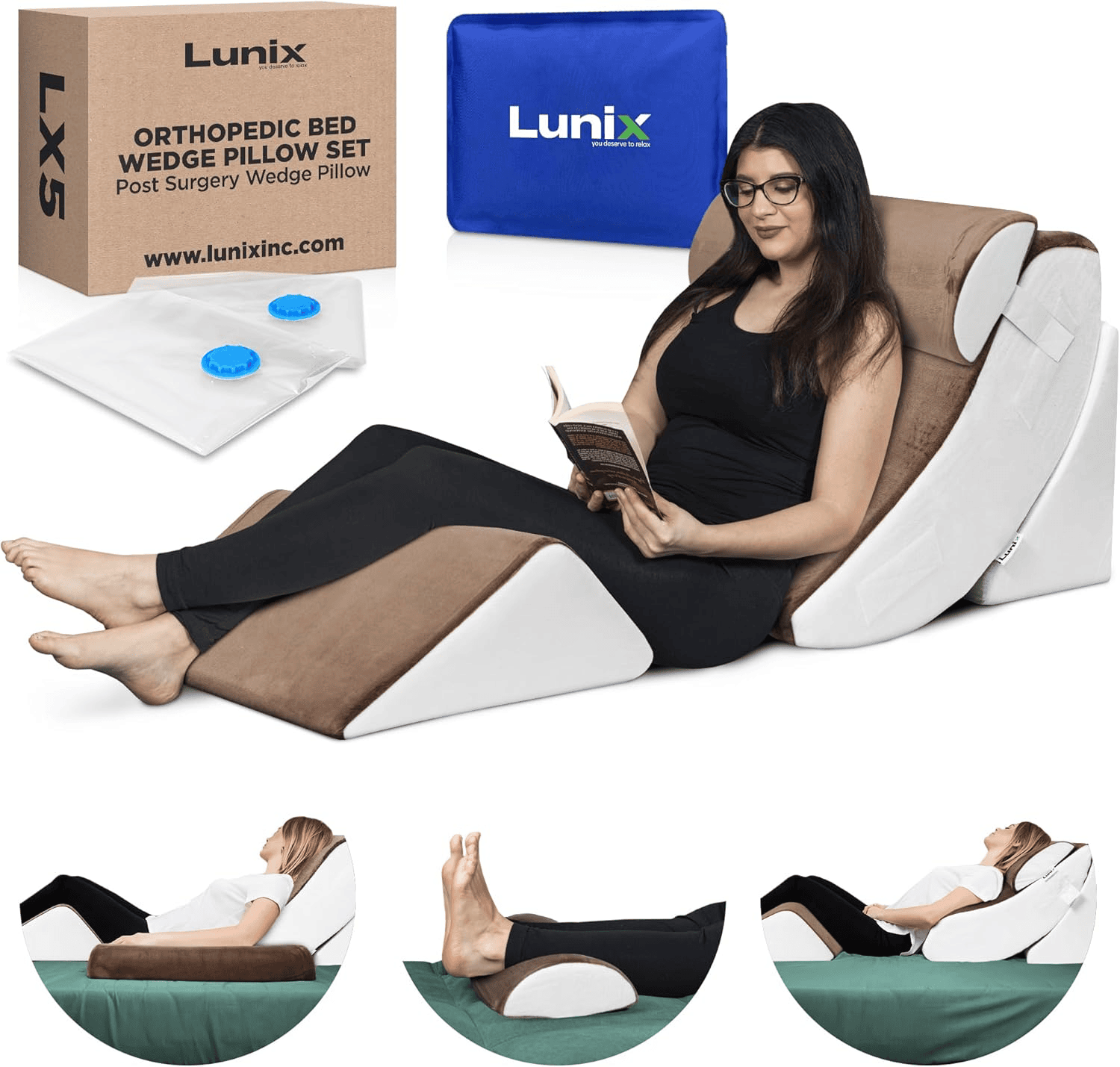
Sleeping after surgery can feel impossible without the right support. This wedge set helps you elevate your legs, knees, or upper body depending on your needs. The memory foam holds its shape well, and the setup is surprisingly versatile.
Caregiver Pager System
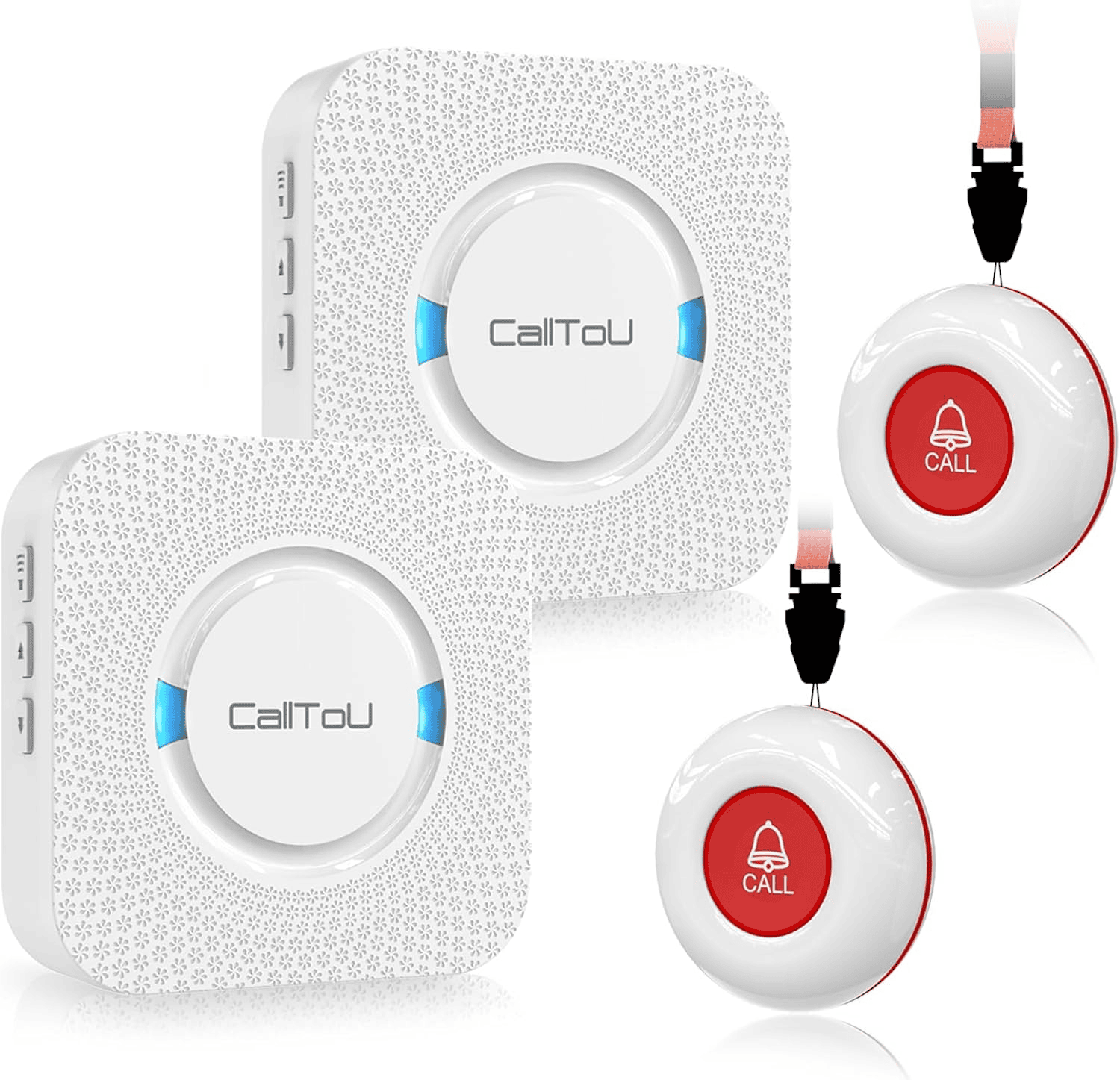
If you can’t be within earshot every moment, this little pager system is a lifesaver. No shouting across the house. Just a gentle call button for when they need water, meds… or help finding the remote. We do have a bell he could’ve rung, but something about that rubbed me the wrong way. It felt a little too “Downton Abbey” meets “nursing home”—and not in a charming way.
Rolling Bedside Table
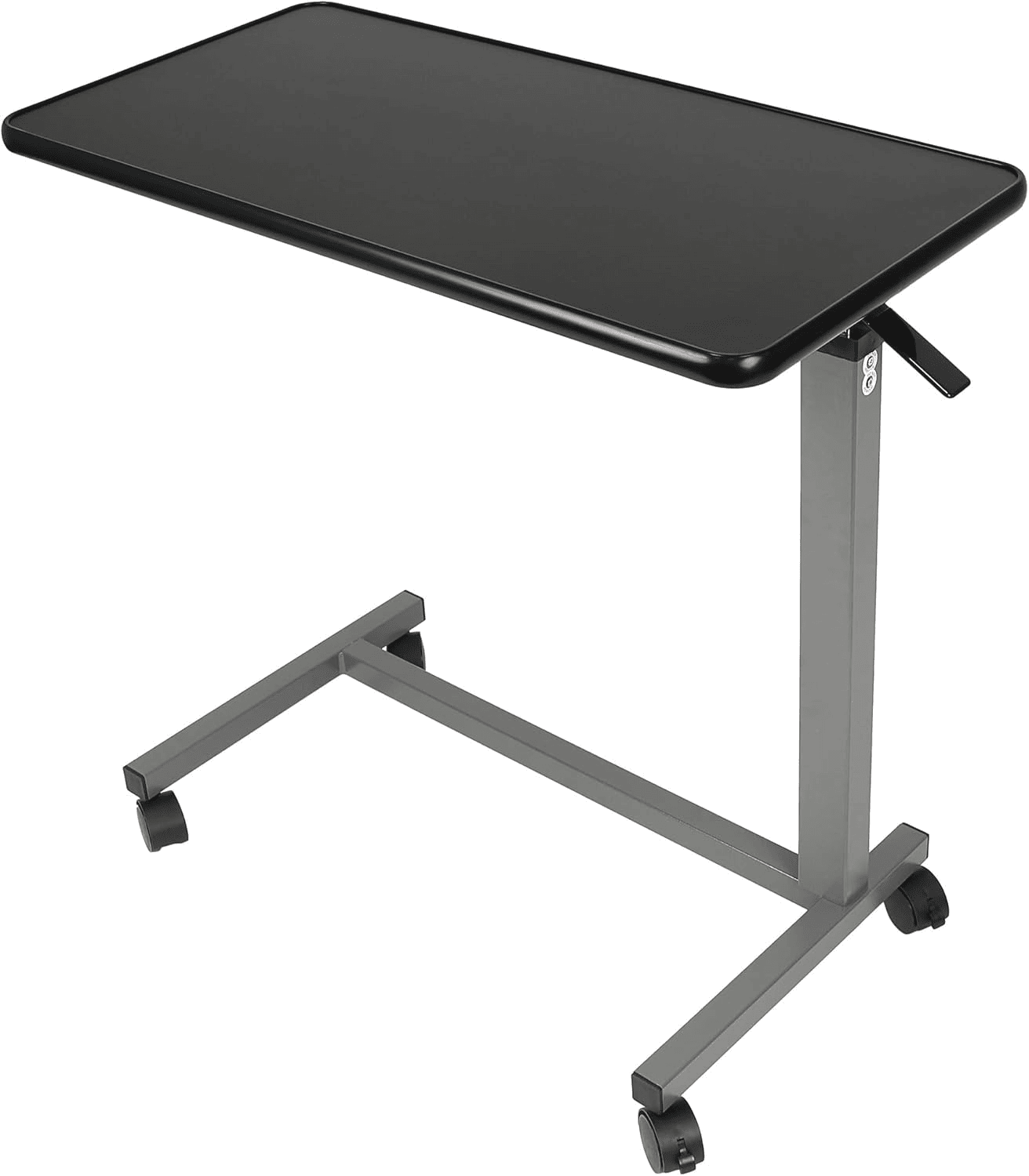
It’s a simple thing, but having a rolling bedside table means your everyday essentials like meals, water, reading glasses, medicine, etc., are all in reach. This makes day-to-day tasks a little more manageable for both the patient and the caregiver.
Adjustable Bed Rail
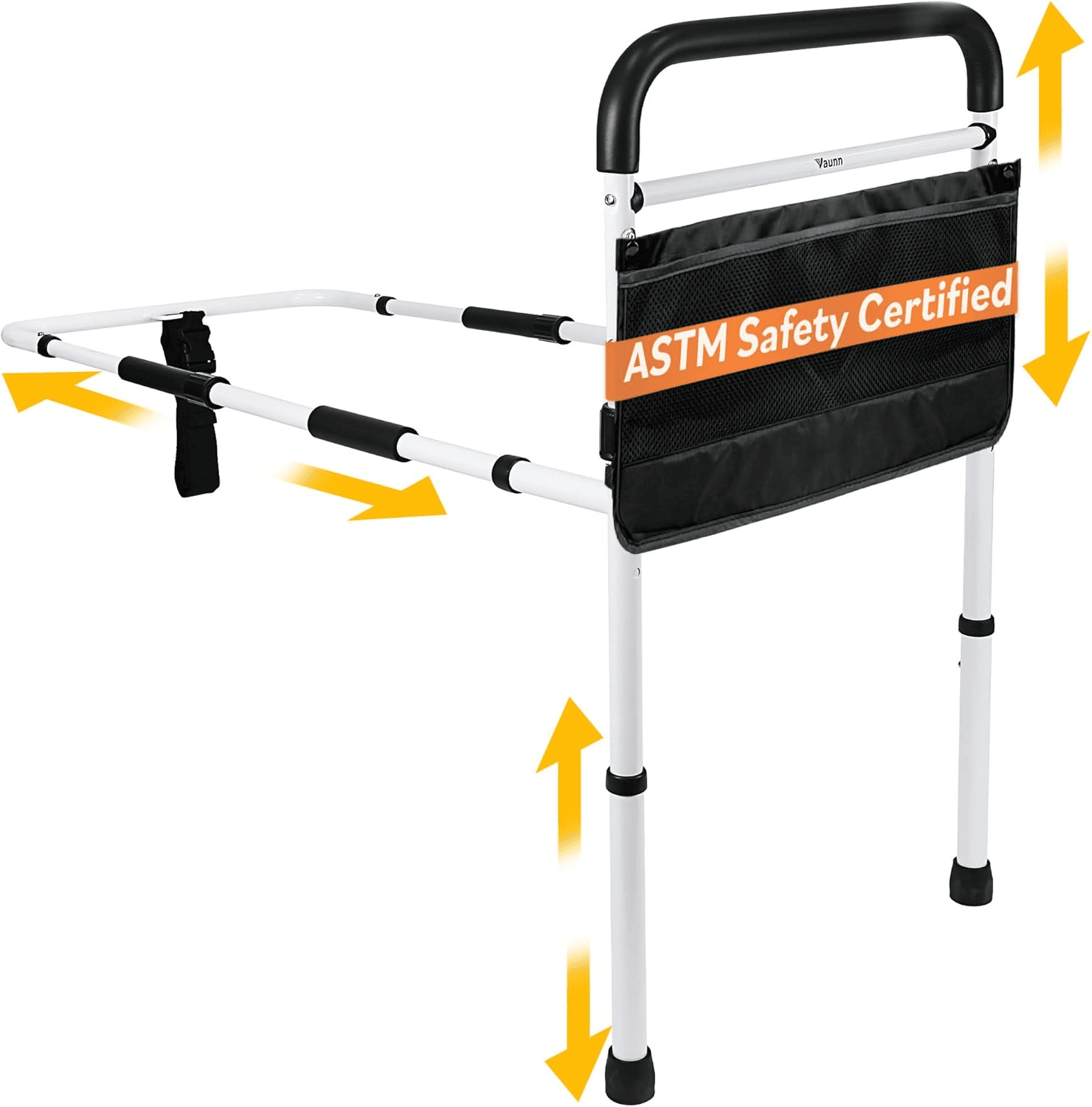
Getting in and out of bed becomes more complicated after surgery. This adjustable bed rail offers steady support and helps prevent falls. It installs without tools and doesn’t look too clinical.
Car Handle Assist
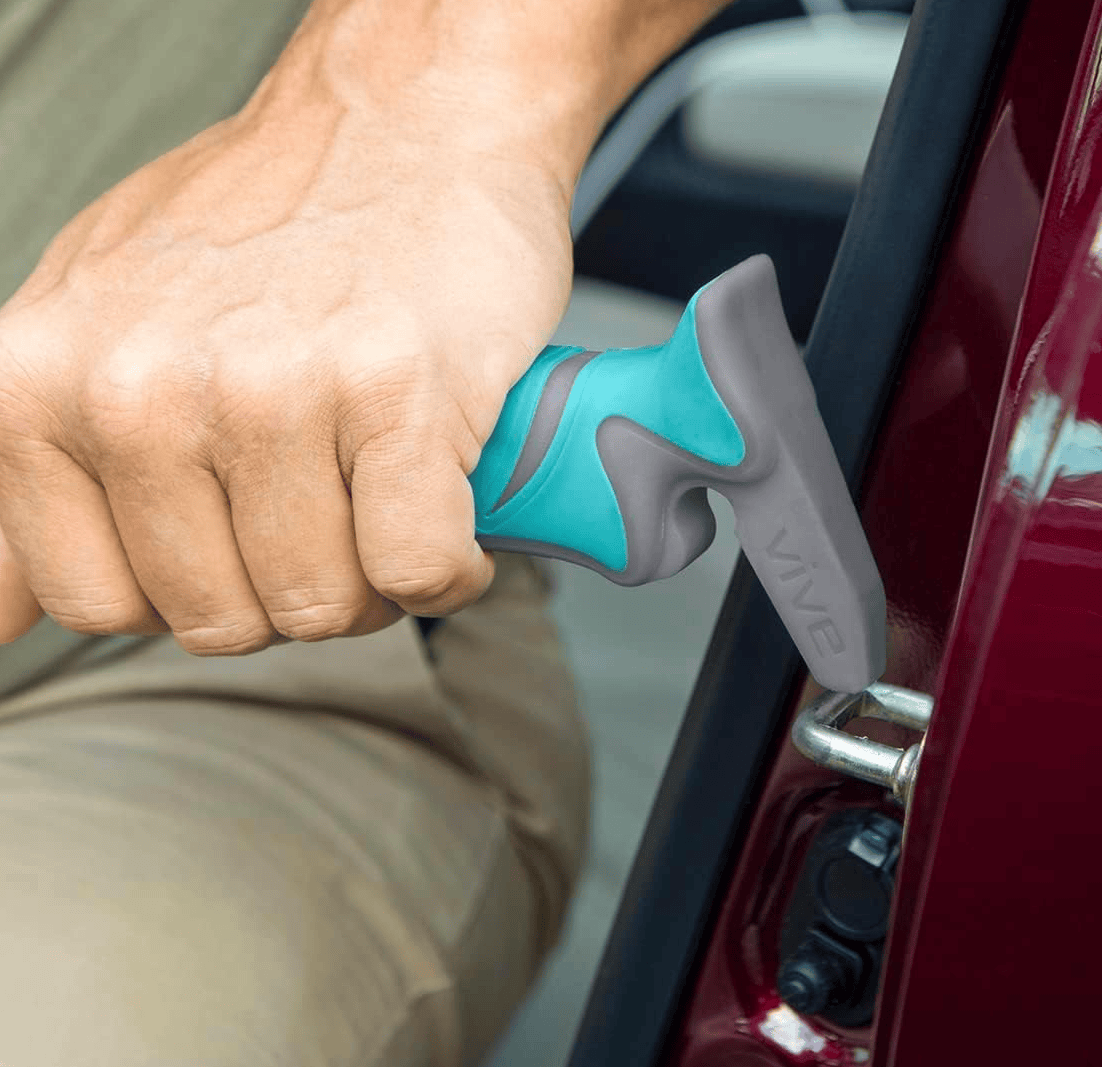
Car seats are low, and car doors are not stable supports. This tool slides into the door latch and gives you a solid handhold to push up from. It’s small enough to keep in the glove box and makes outings a little easier.
Temporary Grab Bars
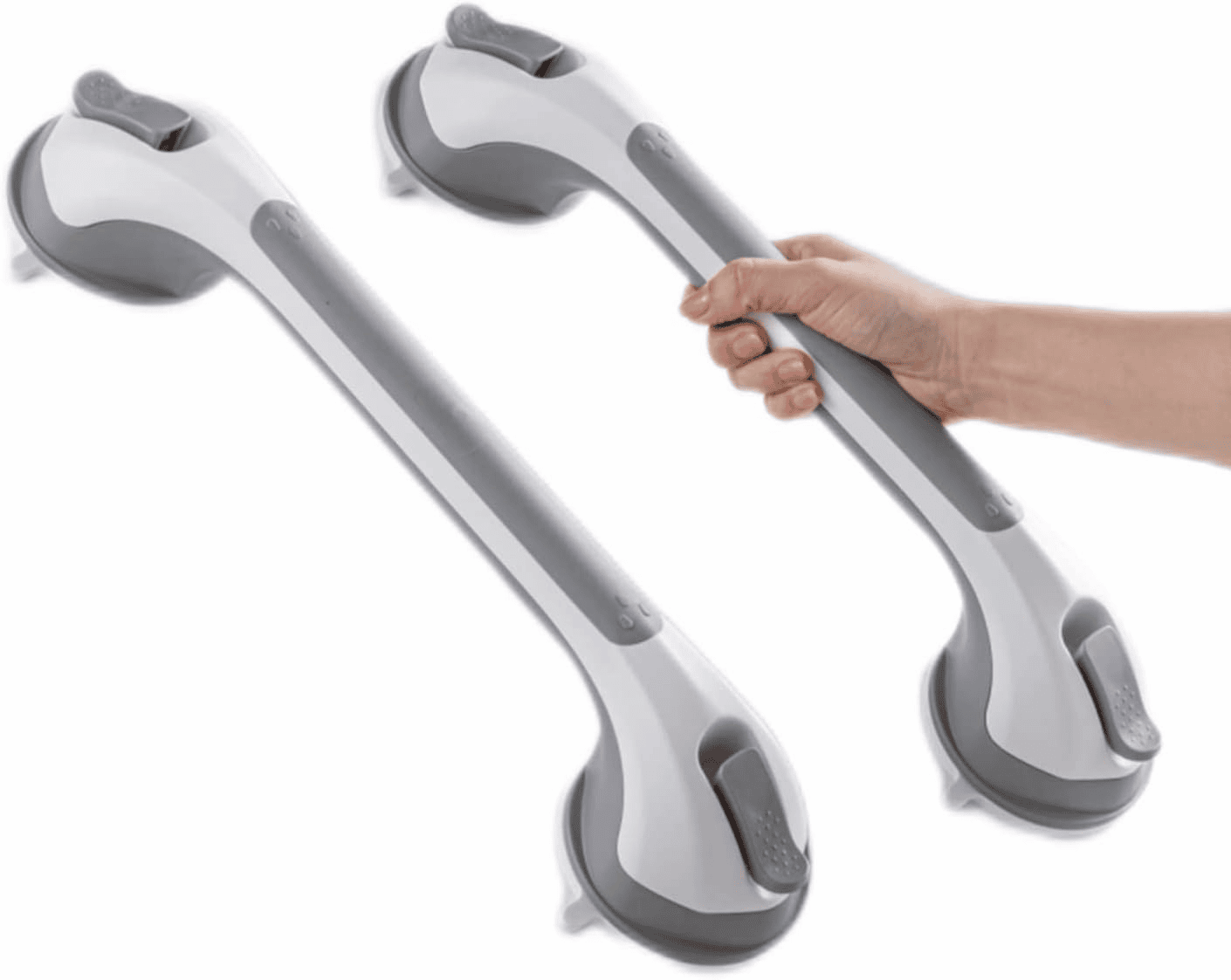
These temporary grab bars attach to tile or glass without drilling. Perfect for helping with balance in the shower, and they’re quick to install and easy to remove.
Adjustable Shower Stool
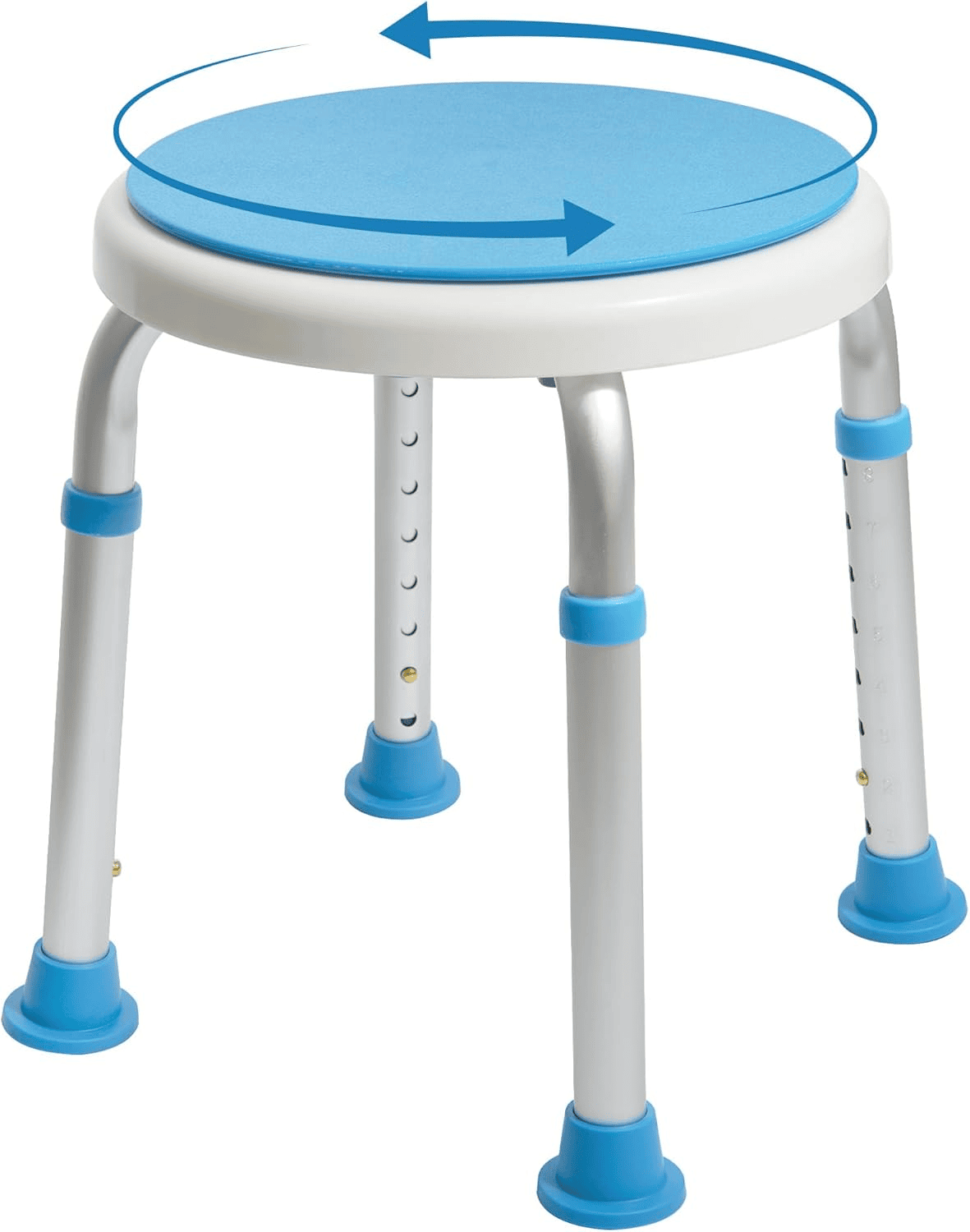
Standing for long showers isn’t always practical during recovery. This chair is lightweight but stable, and it swivels so you can move without twisting. The rubber tips help keep it in place even on wet tile.
Other Tools That Might Be Helpful for Post-Surgery Recovery:
- No-Rinse Bathing Wipes: A quick way to feel clean without the hassle of a full shower.
- Pulse Oximeter: Handy for keeping an eye on oxygen levels during recovery.
- Back Scratchers: Because there’s always an itch you suddenly can’t reach.
- Swivel Seat Cushion: Makes getting in and out of chairs or the car a little smoother and less awkward.
- Support Cane: Choose one with good grip and wrist support for better balance and control.
- Waterproof Leg Cast Cover: Keeps foot and ankle dressings dry in the shower without a struggle.
- Pill Tracker Stickers: A simple way to remember if you actually took your medication today.
- Motion-Activated Night Lights: Helpful for late-night bathroom trips or moving safely in the dark.
- Seat Belt Pillows: Adds comfort and protection over tender chest or abdominal surgery areas.
- Bio-Oil Skincare: Gentle and effective for soothing dry or sensitive post-op skin.
Having even a few of these items ready before surgery can make a stressful time feel more manageable…maybe not easy, but a little less overwhelming. Caregiving doesn’t come with a manual (though it probably should), and no two recoveries are exactly the same. But the right tools really can take the edge off for both of you.
Have you gone through a home recovery with a spouse, parent, or friend? I’d love to know what helped or what you wish you’d known before you were suddenly in charge of ice packs, meds, and bathroom logistics.
get a bidet toilet seat mine adds on under the regular seat and was so easy to use and install i put one on several other toilets i love it!!
Bidet!
What a great list! Been caring for a variety of elders the last 3 years, and all of these are terrific! The wipe-on-a-stick is one I expect everyone would have appreciated (especially me!!). One other item might be a phone case on a lanyard of some kind so that the phone is available with crutches/wheelchair etc but not in a pocket as sweaters etc sometimes get removed. If the phone is around the neck there is always help a dial away, and the phone allows the ill person a way to entertain, reach out, not feel so lonely.
That’s a great idea
My husband had knee replacement surgery, hip replacement surgery, broke his other hip, carpel tunnel surgery on both wrists while in recovery…all in 2024! Each of your tips are spot on!
I suggest motion sensor lights on the stairs and hallways, corner grippers for any area rugs, lever knobs on doors, and, taking time out with friends or families for yourself. It takes a lot to patience, humor, love and support to be a caregiver. There are groups that can help you cope if things get overwhelming.
Thanks for sharing your personal story. It helps to be honest about this possible life event so no one feels like they are alone.
My husband is recovering nicely in 2025.
Wow, 2024 was a rough year for you both! The motion sensor lights sound brilliant!
This is just a great list you’ve put together. I’ve been my husband’s nurse through a knee replacement and a hip replacement with added pelvic rebuilding and leg lengthening surgeries. A year and half ago he was diagnosed with cancer – had multiple surgeries, chemo, radiation, weeks of daily at-home iv antibiotic treatments, etc. etc. I list the various surgeries because we’ve used nearly everything you listed for each one – this is literally a list for whatever happens. The only thing I would add is a room spray they used at the hospital that I found on Amazon. Neither of us can stand the sweet heavy scent of store bought sprays. The Amazon link was endlessly long so I’ll just give the name –
m9 Odor Eliminator Spray, Unscented
Great addition!
This brought back memories as my hubby had a hip replacement in 2007. Earlier that year we had a milestone birthday party for him and the guests were asked to bring only gag gifts suitable for his milestone. (He didn’t have the surgery for another 6 months so no one knew about it). He received a walker, a potty seat, a shower seat (all “recycled” from friends who had needed them after their own surgeries). And after the surgery we were able to “recycle” the items to others in the same age group facing hip/knee surgeries. And a young grandson was fascinated with the grabber! We gave it to him but now I (a vertically-challenged person at 5’0”) want one for myself!
That’s funny
Thanks for the extensive list of useful items, Jennifer. It is great to be prepared in advance. I had hip replacement surgery, after a fall a year ago and was lucky that I was provided with many of those items when I left rehab. I live alone so had to find a way to manage everything without help at that point. The sock assist and grabber were especially helpful. I wish I had known about the portable grab bars. I had “real” grab bars installed under a time crunch. Two additional items not on your list that were really helpful were a long handled shoe horn (various available on Amazon) and a pair of SAS women’s leather shoes with velcro closures. They also make a similar style for men. ( great because they were adjustable, and a relatively good looking unobtrusive style to wear with pants for any occasion.) At first, I bought a pair of slip- on shoes when my foot was very swollen, ( supposed to be ideal for people who cant bend down. There seem to be many available now. ) however, when the swelling went down in my foot, those shoes were too loose, so I bought a pair of leather SAS shoes with velcro closures, which turned out to be a better choice. The SAS shoes have a removable footbed, for more options in adjusting the fit, including using your own innersole (The “MeToo Walking Shoe”, sasshoes.com). Loose, straight or wide legged pants ( but not flowy, like palazzo pants) with elastic waist were important for ease of dressing.